
Last updated November 22, 2026
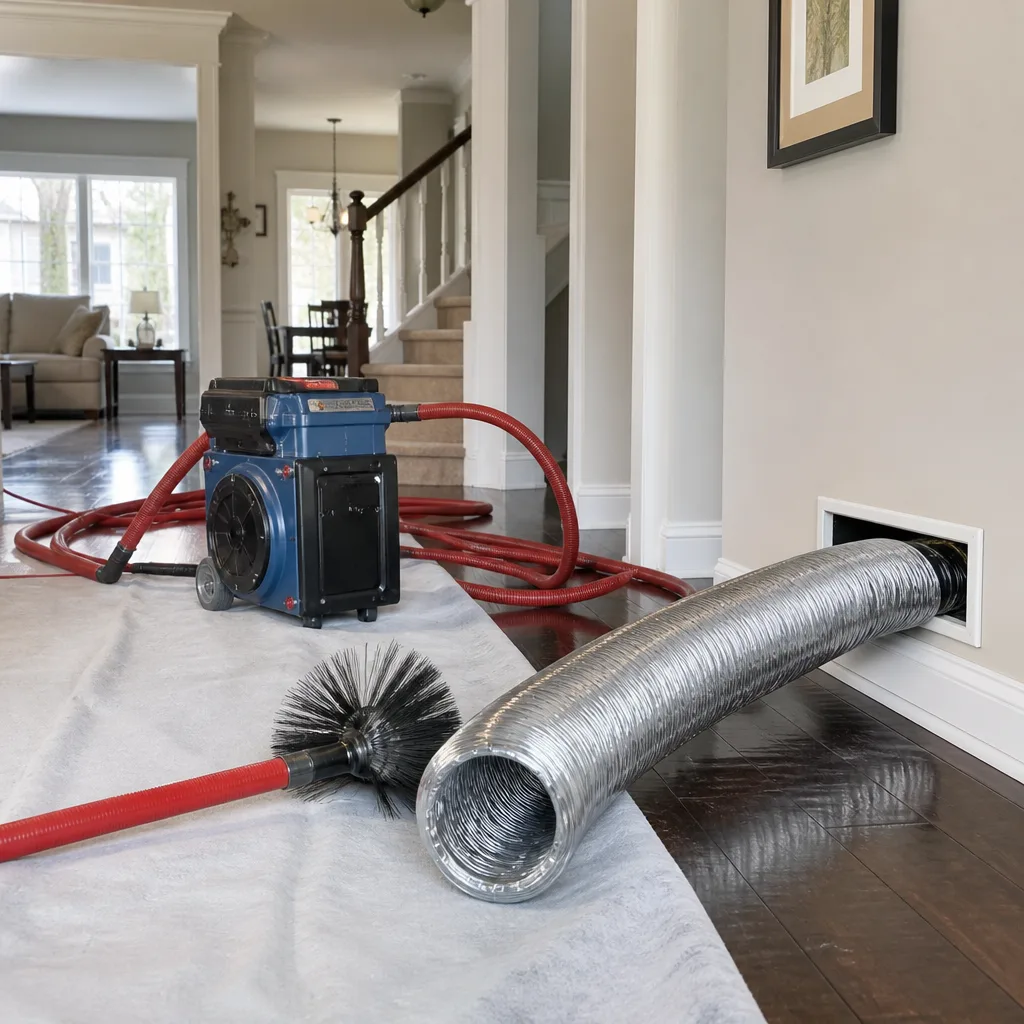 Whole-home duct cleaning
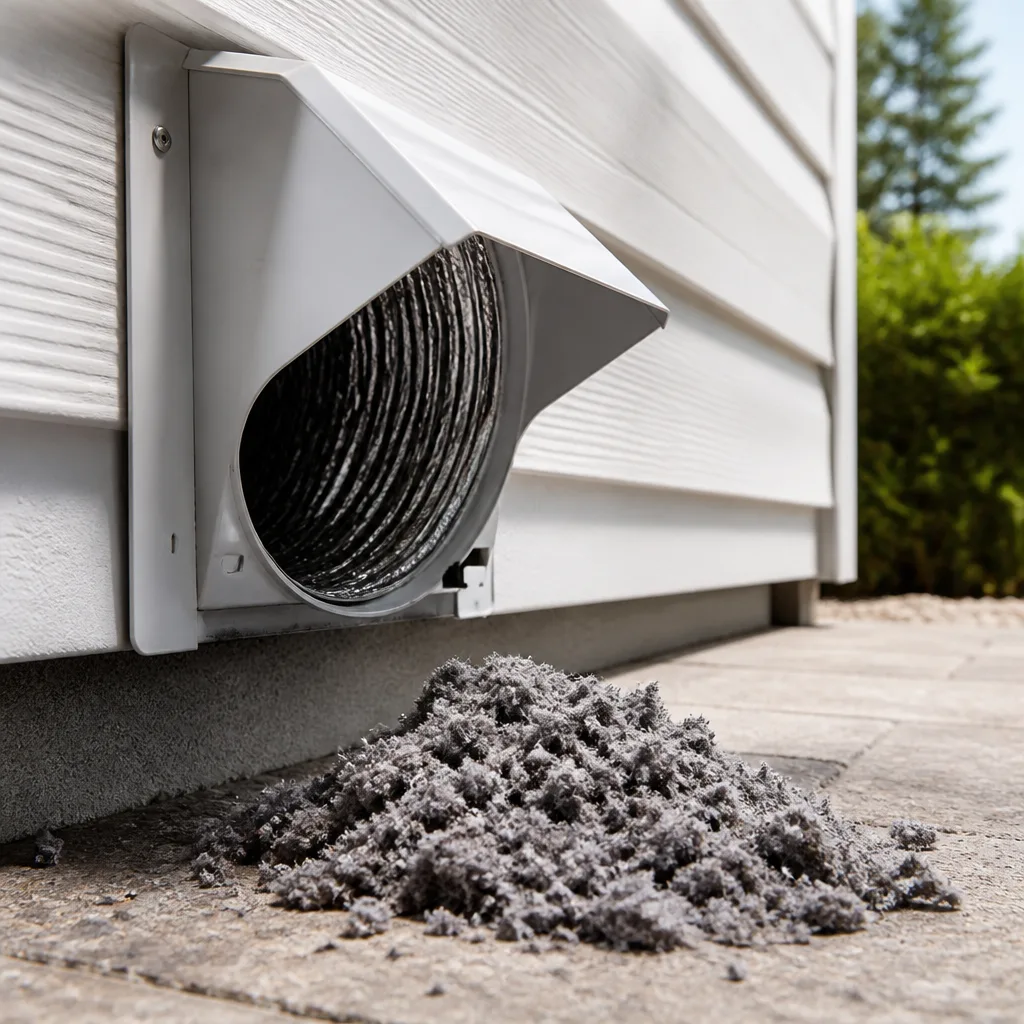 Dryer vent cleaning
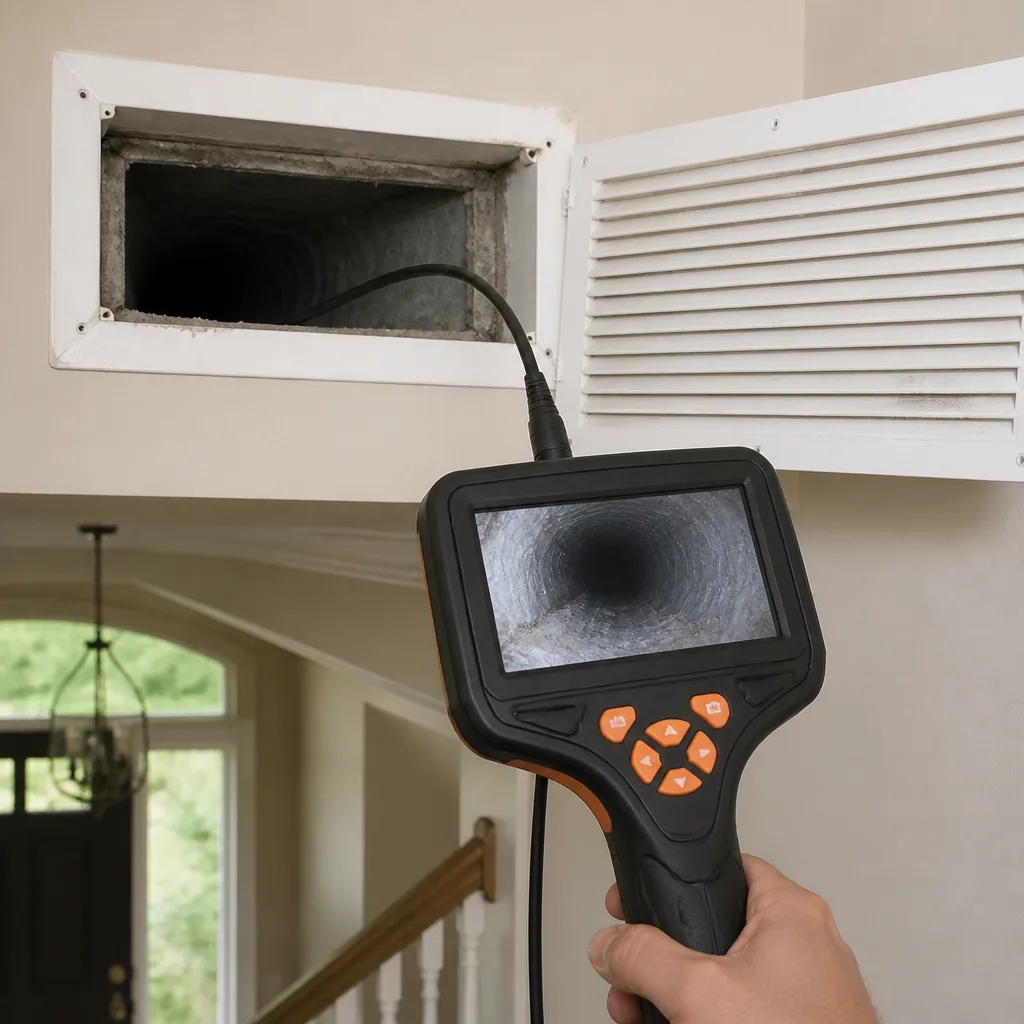 Camera inspection
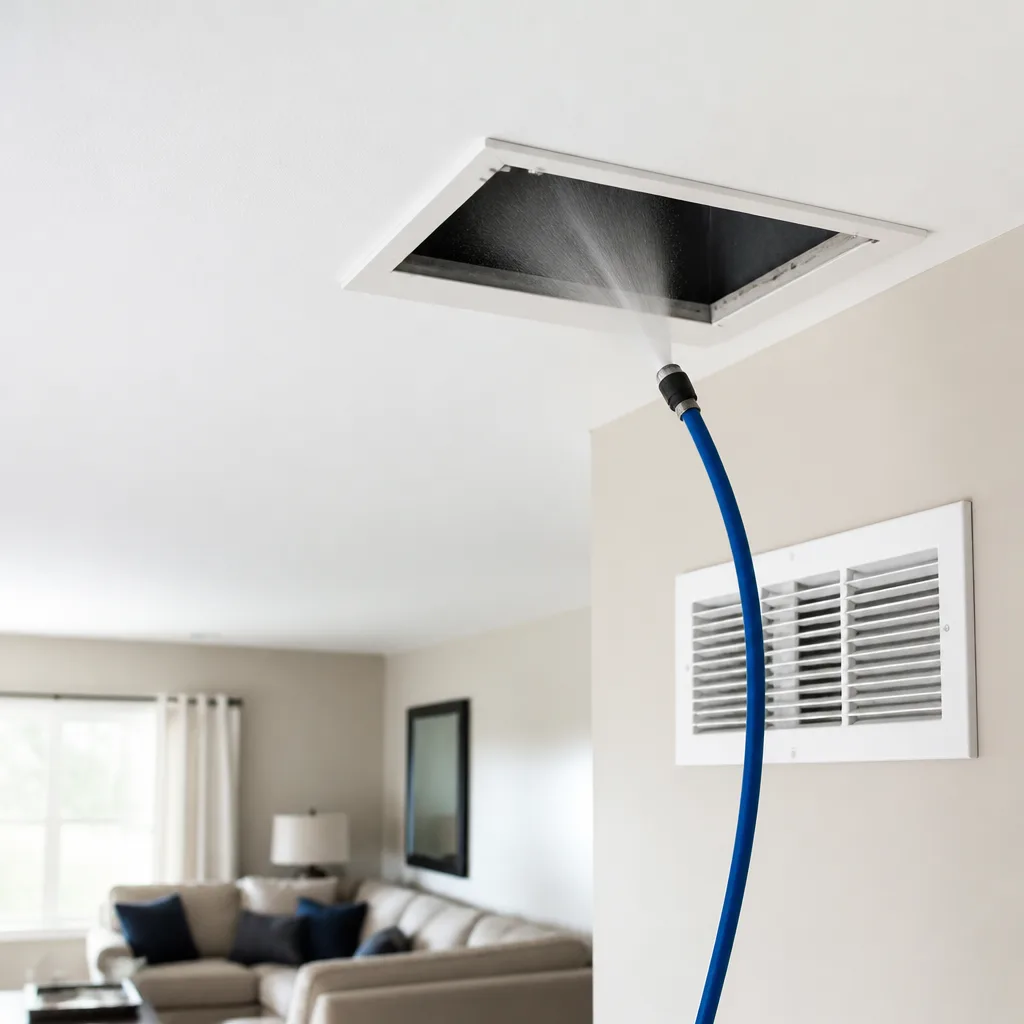 Sanitizing & deodorizing
Whole-system duct and dryer vent check with before-and-after photos - you see exactly what came out of your vents
That "$99 whole-house special" is a bait ad - the real number appears once they are in your hallway, or the "clean" is a shop-vac at the register. We photograph the inside of your ducts before and after instead.
Choosing the Right Air Duct Cleaning Brand: A Buyer’s Guide for Woodside
Most people shopping for duct cleaning assume a familiar national name on the van means a more rigorous job. It usually doesn’t. Franchise systems set marketing standards, brand colors, and advertising spend; they rarely dictate which negative air machine a technician loads or how many supply registers get photographed before work begins. In a state where duct cleaning carries no mandatory licensing, “brand” has to mean something you can actually inspect: equipment specifications, written process, and third-party credentialing you can verify yourself. This guide is written from Woodside, for Woodside homeowners and property managers, and it walks through exactly which questions separate a specialist from a company that treats duct cleaning as a line item between furnace tune-ups.
Quick Answer
The right air duct cleaning brand in Woodside is the one that can name its equipment, document its process, and prove its NADCA membership independently – not the one with the biggest advertising budget. Ask for negative air machine ratings, agitation tool types, register counts, and before-and-after photography, and treat any company that can’t answer those questions as unqualified. A small Woodside operator running Rotobrush and Nikro systems with real containment usually beats a national franchise using residential-grade vacuums.
Styles & brands we work with
- Whole-home duct cleaning
- Dryer vent cleaning
- Camera inspection
- Sanitizing & deodorizing
Table of Contents
- Why Brand Is a Tricky Word in This Trade
- What NADCA Certification Actually Requires
- Equipment as a Brand Proxy: The Questions to Ask
- How to Read Reviews for Duct Cleaning Specifically
- Specialist vs. Add-On: Why Organizational Priority Matters
- What Credible Documentation Looks Like
- Local Context: What Woodside Housing Does to Duct Work
- A Step-by-Step Verification Process
Why Brand Is a Tricky Word in This Trade
Air duct cleaning has no standardized scope in New York. Two companies can advertise the identical service and mean wildly different things: one might extract debris from every trunk and branch line with a negative air machine running the whole time, the other might push a brush through the main plenum and call it done. Neither is breaking a law. There’s no state licensing board for duct cleaning specifically, which means the name on the van tells you almost nothing about what happens inside your walls.
That gap is where brand confusion starts. A homeowner in Woodside searching for air duct cleaning sees a franchise logo they recognize and assumes standards come with it. Sometimes they do. Often the franchise agreement covers uniforms and pricing sheets, and the actual technical approach is left entirely to whoever bought the territory.
Here’s the useful reframe. In an unlicensed field, brand should be evaluated the same way you’d evaluate a contractor who works with hazardous materials: by tooling, by process, and by verifiable credentials. Ask three questions before anything else.
- What equipment will be on site? Not “professional equipment” – actual model families and machine types.
- What is the written scope? How many registers, how many returns, what happens to the blower and coil.
- What third-party credential can I check independently? NADCA membership is the one that matters here.
Those three answers separate operators cleanly, and they cost you one phone call to find out. When we talk to a homeowner in Woodside about duct work, those are the same three things we expect to be asked, and we’d be wary of any company that deflects them.
What NADCA Certification Actually Requires
NADCA – the National Air Duct Cleaners Association – sets the closest thing this industry has to a technical standard, and its ACR (Assessment, Cleaning, and Restoration) document is what a serious company works from. Here’s the honest version of what NADCA membership does and doesn’t govern.
What it does cover
- Source removal as the standard. The association’s guidance is clear that cleaning means physically removing contaminants from the system, not fogging them in place or sealing them under a coating.
- Containment and negative pressure. The standard calls for keeping the work area under negative pressure so dislodged debris is captured, not redistributed into living space.
- Individual certification. Technicians can hold Air Systems Cleaning Specialist (ASCS) credentials, which requires passing an exam and staying current – so a company can hold membership while individual technicians carry their own certification.
- Verification through HVAC system inspection. A proper job includes assessing the system before and after, not just running a vacuum.
What it doesn’t cover
NADCA doesn’t license anyone. It doesn’t set prices. It doesn’t audit jobs. A company can hold membership and still do a mediocre job; a company without membership can do excellent work. What membership does give you is evidence that a company chose to be measured against a published technical standard and is subject to the association’s ethics and standards requirements.
How to verify membership independently
- Go to NADCA’s own directory rather than trusting a badge graphic on a website – logos are trivial to reproduce.
- Search the company name and confirm the listing is active, not lapsed.
- Ask whether the technicians arriving hold individual ASCS credentials, and confirm names against the directory if the company claims them.
Any Woodside company that answers those three checks with a straight face has already separated itself from most of the field.
Equipment as a Brand Proxy: The Questions to Ask
Equipment is the single most reliable proxy for how seriously a duct cleaning company treats the work, because equipment costs money and generalists don’t buy what they don’t need. You don’t need to become an equipment expert. You need to ask four questions and listen for specificity.
1. What negative air machine is used, and what’s its CFM rating?
A negative air machine pulls the duct system under vacuum so debris travels toward the capture point instead of into your rooms. CFM (cubic feet per minute) is the measure of how much air it moves. A machine rated in the hundreds of CFM behaves very differently from a shop vacuum, which is what a lot of cheap “duct cleaning” actually is. Ask for the rating. A company that can’t quote it probably doesn’t own a real one.
2. What agitation tools are used?
Vacuum alone doesn’t break debris off duct walls; you need mechanical agitation. The common professional tools include air whips (compressed air lines that flail through the duct), skipper balls (a forward-and-reverse nozzle that scours the duct interior), and rotary brush systems. A company should be able to tell you which it uses and why – different duct materials and configurations call for different tools.
3. Is the unit truck-mounted or portable, and does that matter here?
Truck-mounted units are powerful but only work where a truck can park within hose reach. In much of Woodside – especially the older attached housing along the side streets – a portable unit is the realistic option, and a strong portable with proper containment can do the job well. The question to ask isn’t “truck or portable” but “what are the specs of what you’ll actually use at my address.”
4. What containment equipment is deployed?
This is the question almost nobody asks, and it’s the one that matters most for indoor air quality. Professional operations use negative-air and HEPA containment equipment to hold dislodged contaminants at the capture point. We run Abatement Technologies containment and negative-air equipment on jobs, the same category of tooling used in remediation work, because the point of the service is to remove contaminants from the building, not move them around it.
For the cleaning itself, professional-grade systems like Rotobrush and Nikro are the industry-standard machines used by dedicated IAQ contractors. If a company describes its equipment only as “professional” or “state of the art,” ask them to name it. Specificity is free to give and impossible to fake for long.
How to Read Reviews for Duct Cleaning Specifically
Five-star reviews are cheap. A review that says “great service, very professional, would recommend” could have been written about a plumber, a locksmith, or a moving company. Air duct cleaning has a specific set of observable outcomes, and the reviews worth reading are the ones that describe those outcomes.
What detailed reviews look like
- The reviewer mentions a specific starting condition – heavy dust at the registers, musty smell, visible debris, allergies.
- They describe the process, even loosely: containment set up, before-and-after photos shown, register count confirmed.
- They name a measurable result: less dust settling on furniture, a smell that’s gone, HVAC running quieter.
- They mention documentation – being handed photos, a written report, or a findings summary.
What should make you pause
- Reviews that praise “fair pricing” without mentioning scope. A cheap job on a system that was never actually cleaned isn’t a bargain.
- Clusters of reviews using near-identical phrasing – a sign of solicited or generated feedback.
- Reviews describing a technician pushing a hard upsell on additional services before any cleaning happened.
- No reviews mentioning a dryer vent or air quality follow-on service, if the company advertises those. If the service exists, someone should be talking about it.
One more thing: look for reviews from property managers. In Woodside, a lot of the attached housing stock is landlord-managed, and an owner who has to satisfy tenants tends to write more specific feedback than a one-time residential customer.
Specialist vs. Add-On: Why Organizational Priority Matters
There’s a real difference between a company whose core discipline is duct and indoor air quality work and an HVAC contractor that added duct cleaning to the service menu because customers kept asking. The distinction isn’t about competence – plenty of HVAC techs can run a vacuum – it’s about how the business is organized.
When duct cleaning is an add-on, it competes for time with the higher-margin work. The equipment budget goes to recovery machines and refrigerant tools. The training goes to system diagnostics. Duct cleaning gets whatever hours are left, usually by a technician whose primary job is something else. That’s not a moral failing, it’s just how priorities allocate.
When duct cleaning is the core discipline, the economics invert. The negative air machine, the agitation tools, the containment equipment, and the HEPA filtration all get bought first. The technician’s schedule is built around duct jobs. The written scope becomes the product. You can usually tell the difference in five minutes on the phone.
Full air quality coverage is a good test. A specialist handling the entire chain – cleaning, sanitizing, duct repair and sealing, HVAC cleaning, and dryer vent work – has a reason to invest in the equipment each of those services requires. Dryer vent cleaning alone is a strong tell: it’s a fire-safety service most generalist duct cleaners don’t handle or quietly outsource, and a company that runs a dedicated lint extraction service isn’t treating duct cleaning as a side job. The same logic applies to HVAC cleaning – a specialist handles the blower, coil, and cabinet as part of the system, while an add-on operator tends to leave them dirty.
For a homeowner in Woodside with an aging furnace and a system that hasn’t been touched in years, that organizational difference is the whole ballgame. You want the operator for whom the job you’re paying for is the job they’re set up to do.
What Credible Documentation Looks Like
A written record of the job isn’t paperwork for its own sake – it’s the difference between a service you can verify and a promise you take on faith. Air duct cleaning is invisible work: debris goes up a hose, out of the house, and nowhere you can see it. Documentation is the only way to know what happened. A company that can’t produce it before you pay has a problem, and so do you.
Before the work begins
- Register count. Every supply and return register should be counted and listed in the scope, with the machine setup described.
- Pre-job inspection notes. Visible debris, moisture, pest evidence, disconnected sections, damaged flex duct – anything the technician finds should be written down.
- Photography of starting conditions. Register interiors, plenum, and any problem areas. These photos are your baseline.
After the work
- Post-job photography of the same locations, shown side by side with the before shots so you can see the difference.
- Equipment log. Which machines ran, for how long, at what settings – a real job leaves a trace.
- Findings summary. Any duct damage found during work, any sections recommended for sealing, any component that should be inspected by an HVAC specialist.
- Sanitizing record if the service was performed, including the product used. If your job included a Guardsman-brand antimicrobial or protective treatment, that should appear in the written record with the product named.
Air Duct Cleaning Woodside doesn’t get paid until that record is in your hands. The absence of any one of those items is a disqualifier, not a small courtesy you can let slide. If a company’s finished service is a wave at the vent and an invoice, you haven’t had a duct cleaning – you’ve had a visit. For a service that costs as much as a real job does, “we’ll email you a report” should mean an actual report you can read and keep.
Local Context: What Woodside Housing Does to Duct Work
Woodside is a neighborhood of mostly older attached housing – two- and three-family homes, low-rise apartment buildings, and rows of units that were converted and reconfigured over the decades. That housing stock has specific consequences for duct work, and a local company should know them without being told.
Short duct runs with many branches. In attached housing, the system is often compact but full of branches – each register gets its own run, and older systems sometimes have returns that were retrofitted rather than designed. A generalist used to long, single-trunk suburban systems tends to size the job wrong and leave half the branches untouched.
Shared walls and stack effects. In multi-family buildings, contaminants moving through the system don’t have far to spread. Negative pressure and containment aren’t nice-to-haves here; they’re the difference between a cleaning and a dust event. This is why we run HEPA and negative-air equipment even on jobs that look small on paper.
Basement and below-grade runs. Many Woodside homes have duct runs through basements or crawl areas, where moisture makes the duct system a potential growth environment. Cleaning without a moisture assessment is a partial job – if there’s active moisture, the duct needs repair and sealing, not just a pass with an agitation tool and sanitizing. Air duct cleaning is a service, not a fix for water problems, and a credible company tells you when the problem is outside its scope.
Older furnace and coil components. Aging HVAC equipment means more of the dust load ends up in the system rather than being filtered properly. A whole-system approach – cleaning, sanitizing, repair and sealing, and air quality treatment – is a more realistic scope than a duct-only pass on a system that’s decades old.
If you’re on a stretch of Woodside near Roosevelt Avenue or in the denser stretches off Northern Boulevard, ask specifically how the company handles shared-wall buildings. If they can’t describe containment for that configuration, that’s your answer.
A Step-by-Step Verification Process
Here’s the practical sequence we’d follow if we were the customer instead of the contractor. Six steps, one phone call each, and you’ll know more than most people who’ve hired three times.
- Check NADCA membership on the association’s own site. Confirm the company name matches and the listing is active. If they aren’t members, ask why not – “we’ve never bothered” is different from “we were recently removed.”
- Ask what negative air machine will be on site and its CFM rating. The answer should be a specific machine type, not “professional equipment.”
- Ask which agitation tools are used – air whip, skipper ball, rotary brush – and how they decide which one for a given duct.
- Ask for containment details. A company that uses Abatement Technologies containment or equivalent HEPA negative-air equipment will name it. A company that doesn’t will describe “cleaning up after ourselves.”
- Ask for a written scope before scheduling. Register count, machine setup, sanitizing line item if applicable, and what’s excluded. If it’s verbal only, walk.
- Ask for post-job documentation before payment. Before-and-after photos of your own registers, equipment log, and a written findings summary. Get this confirmed in advance so there’s no argument at the end.
For broader context on what the service actually involves from a process standpoint, our Air Duct Cleaning Woodside page covers the flow from intake inspection through sealing and sanitizing. Honeywell and Aprilaire air quality systems come up there too – both are brands specified in hospitals, schools, and commercial buildings, and both are worth asking about if your system’s humidity or particulate load is a real concern rather than a theoretical one.
Common Mistakes to Avoid
- Buying on a coupon price without asking what’s included. A discount figure usually covers a subset of the system – often the main trunk line only. Ask for the register count in writing before you compare prices.
- Assuming a national name equals technical rigor. Franchise agreements set marketing guidelines, not equipment standards. A local Woodside operator with the right machine beats a franchise using a shop vac, every time.
- Accepting verbal scope. “We’ll clean the whole system” means nothing without a register count and a description of what happens to the plenum, blower, and coil. Written scope or no hire.
- Skipping the containment question. A company that agitates debris without negative pressure and HEPA containment can push more contaminants into the house than it removes. In attached Woodside housing, that’s not a theoretical risk.
- Ignoring the moisture assessment. Cleaning a duct system with active moisture problems is wasted work – the growth comes back. Ask whether the inspection checks for moisture and what the company does if it finds it.
- Overlooking dryer vent separately. A duct cleaning job that skips the dryer vent leaves a household fire risk untouched. Ask whether it’s a standalone service or an outsourcing arrangement.
- Paying before documentation. If you haven’t seen before-and-after photos of your own registers and a written findings summary, hold payment until you do.
None of those mistakes are exotic. We’ve watched reasonably careful homeowners make them because the information asymmetry in this trade is real. The fix is simple: ask for specifics, and don’t reward deflection.
See the difference
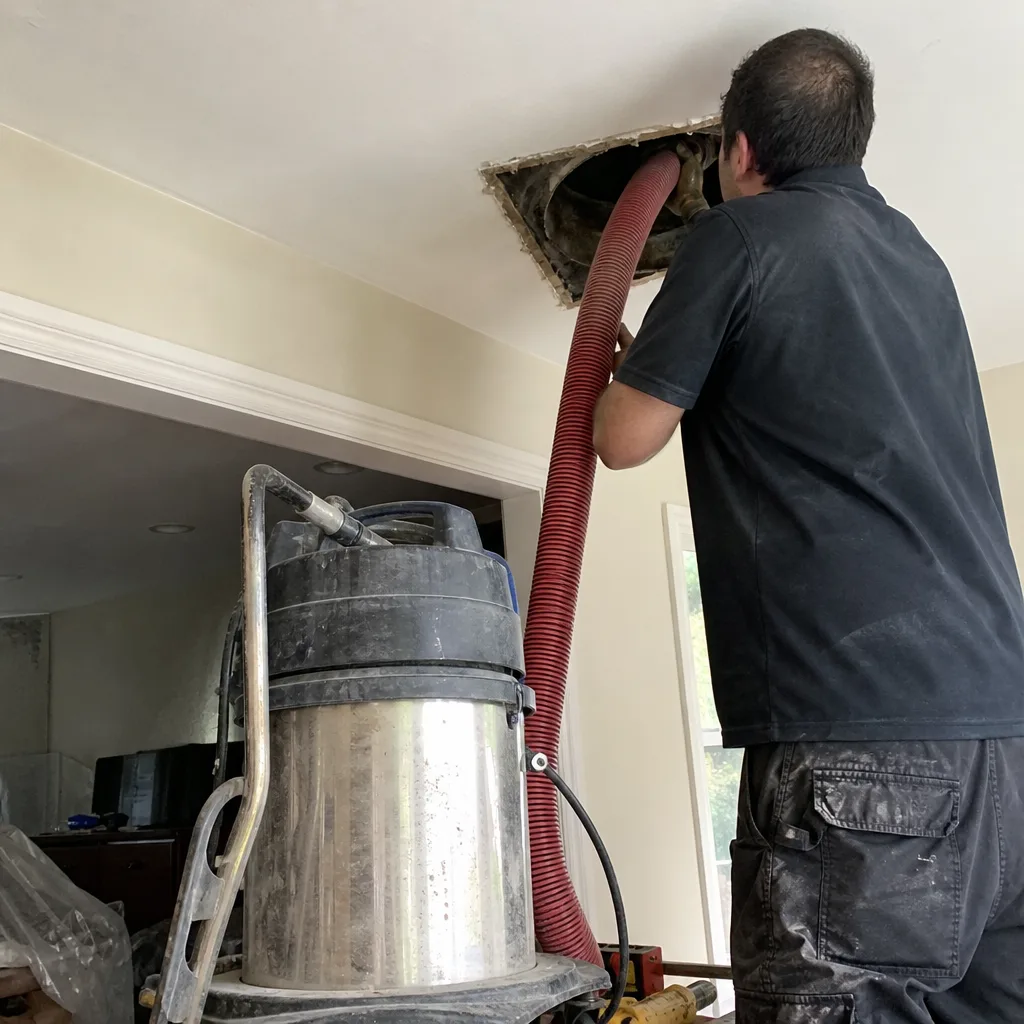 Before
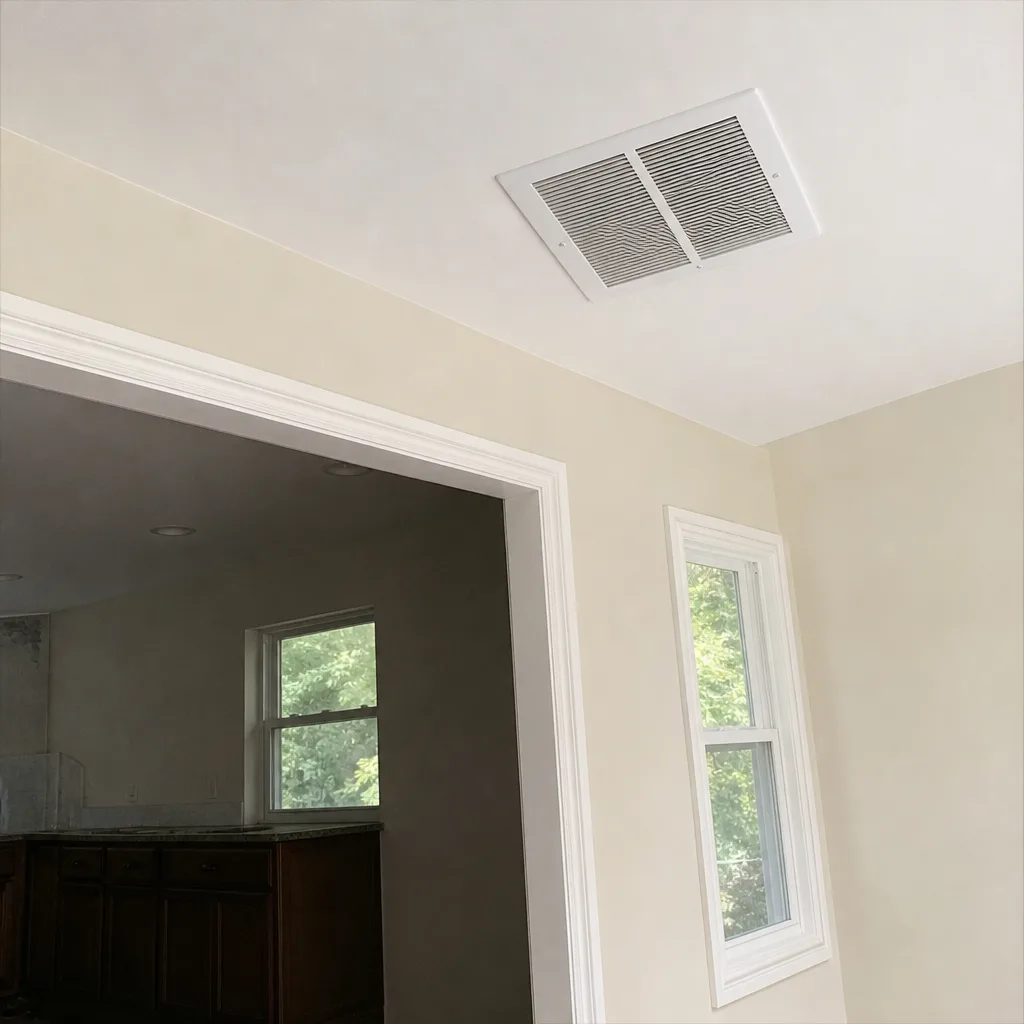 After
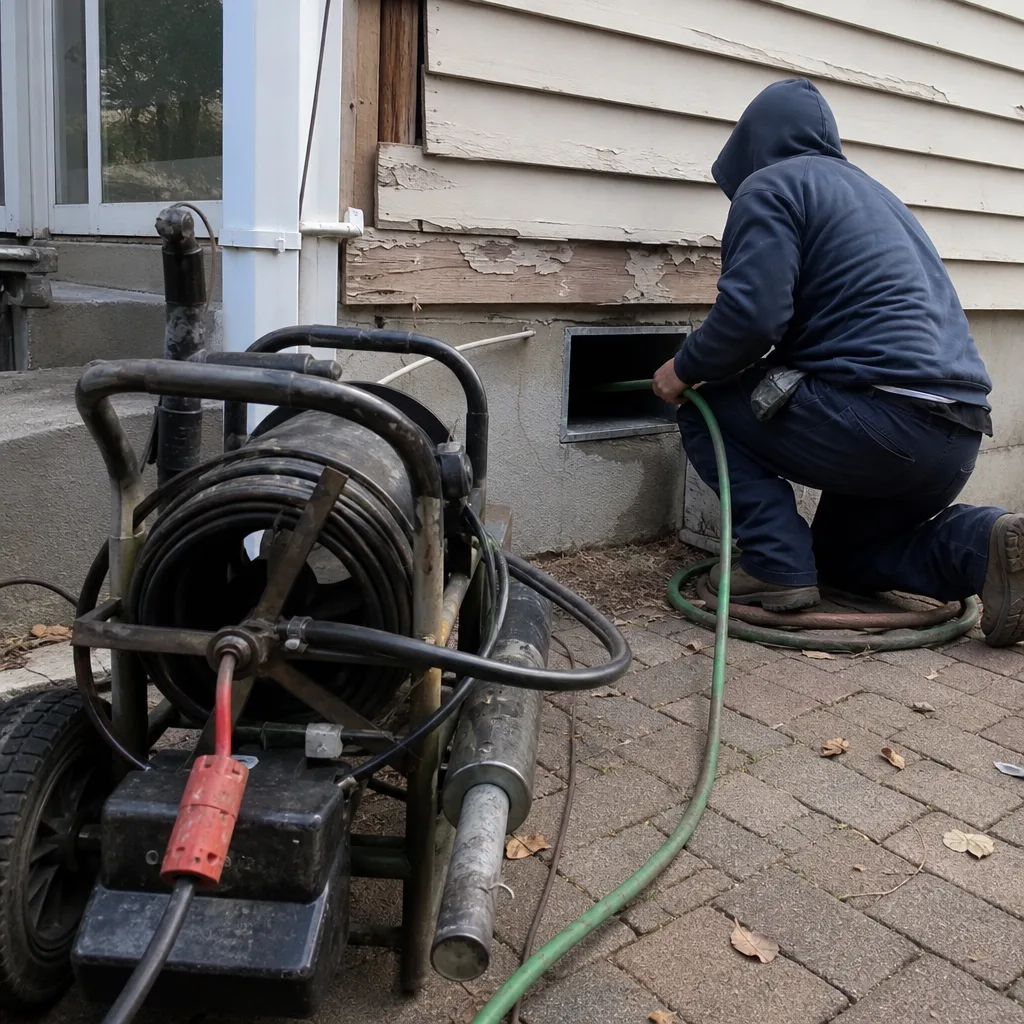 Before
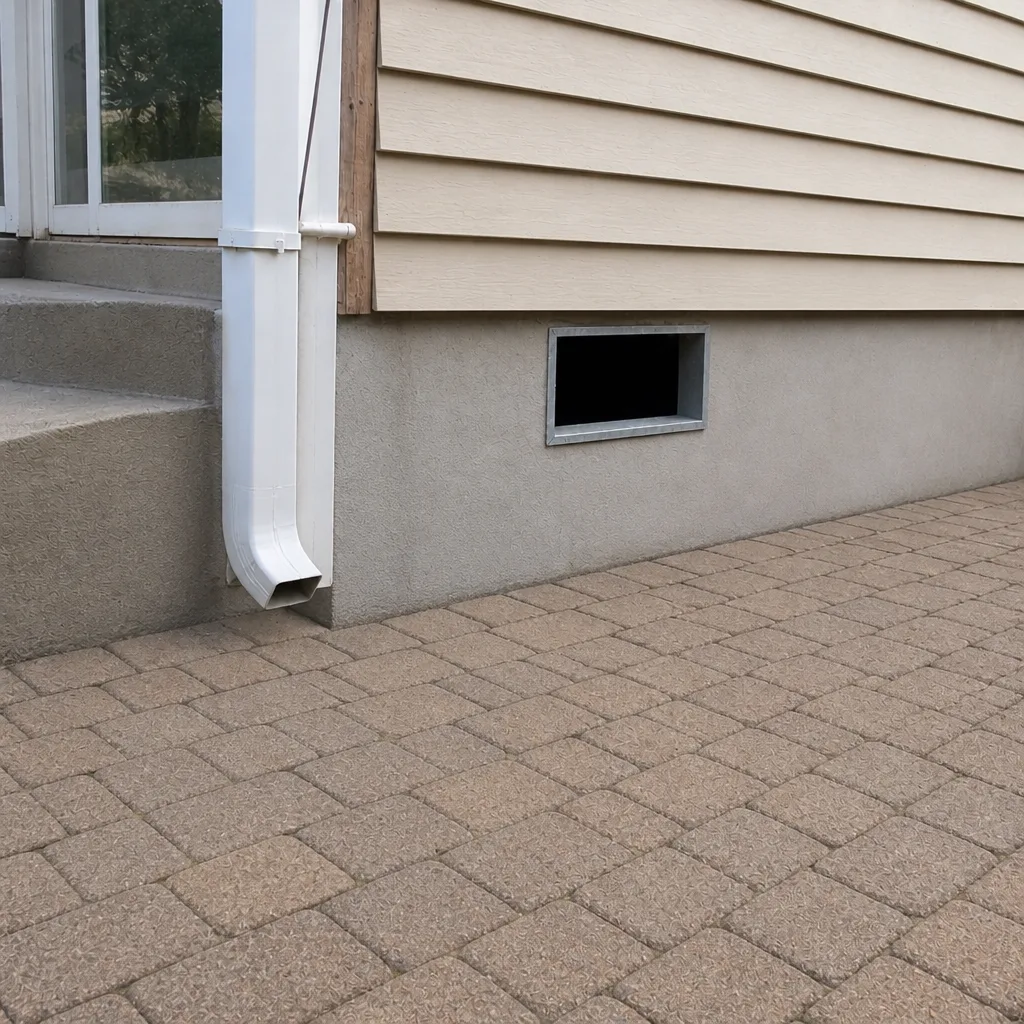 After
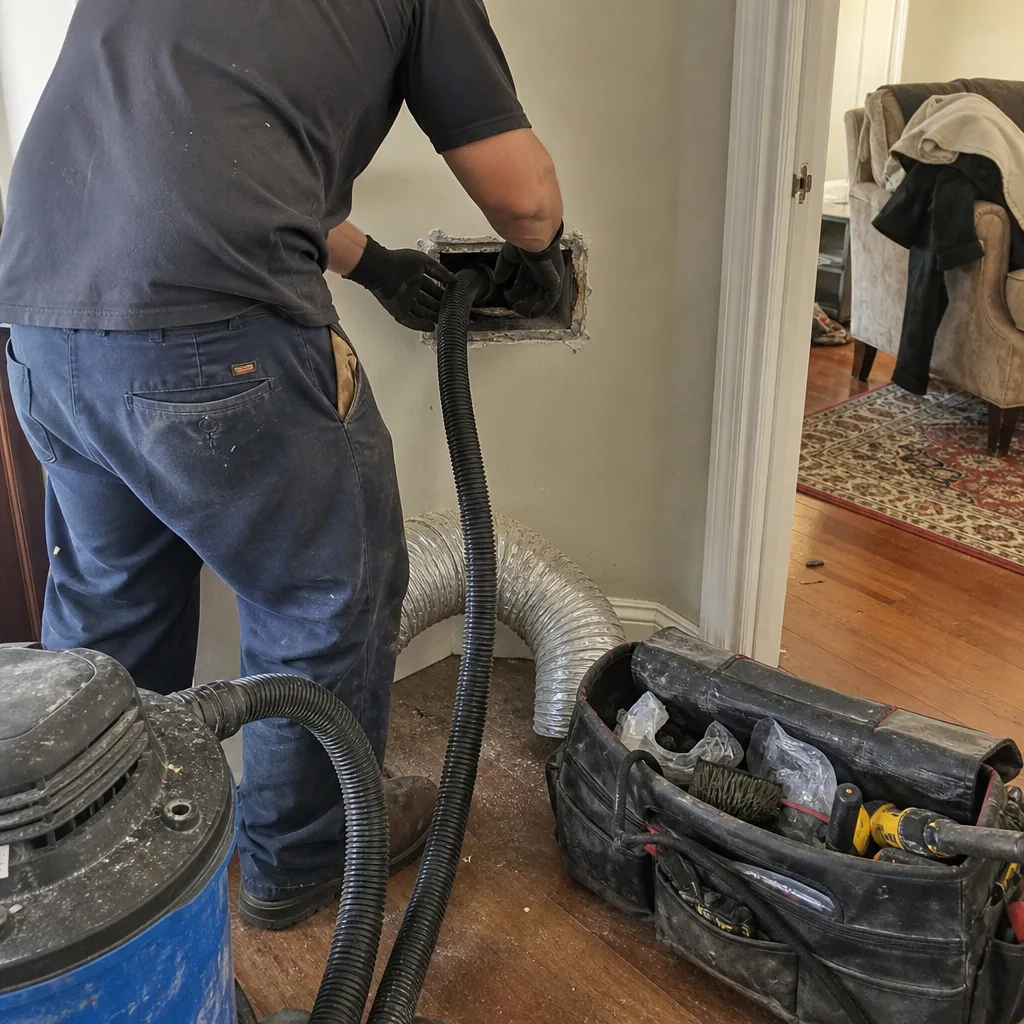 Before
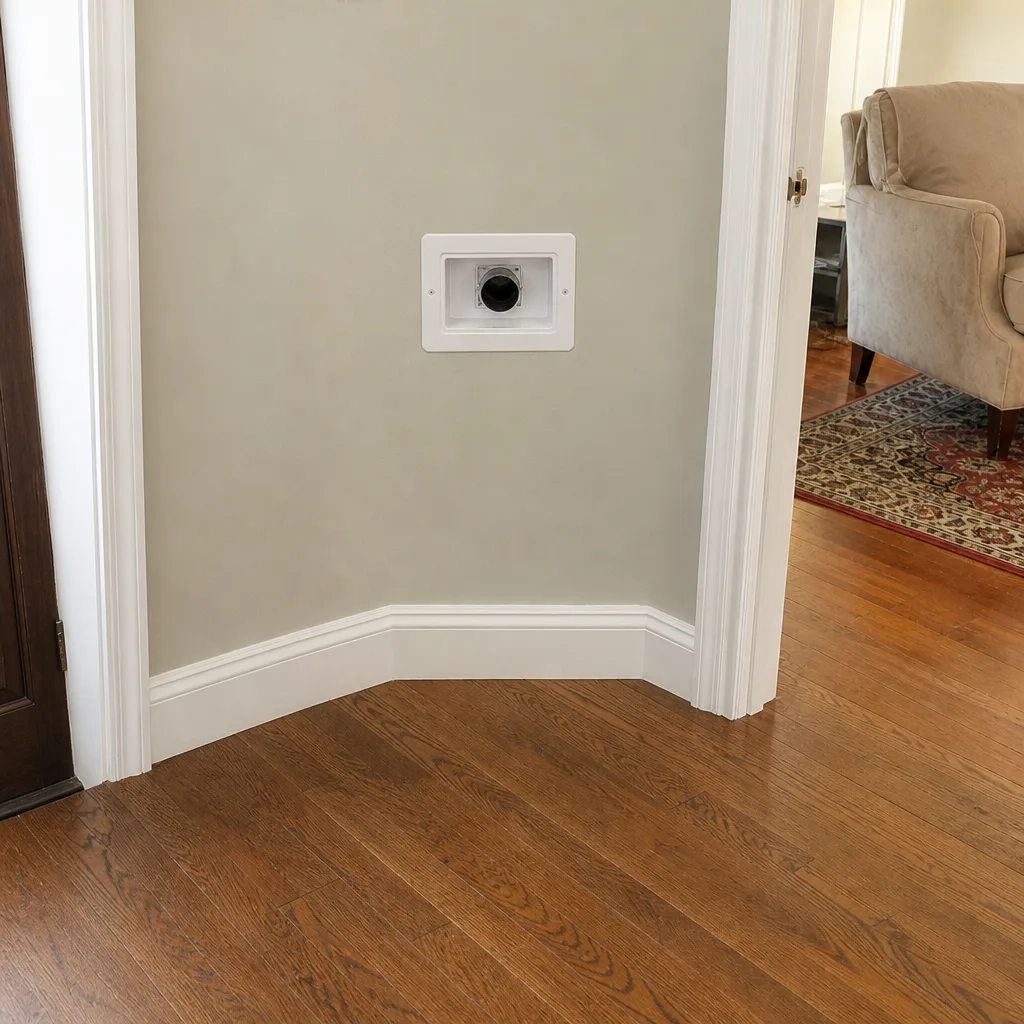 After
When to Call a Professional
The honest answer is that duct cleaning isn’t an annual chore for every home; it’s a service triggered by conditions. Call a professional when any of these describes your situation:
- You’ve moved into a Woodside home and don’t know when or whether the ducts were cleaned.
- Dust collects visibly on furniture and registers faster than it should.
- A musty or stale smell comes from the vents when the system runs.
- Family members with allergies or respiratory sensitivity notice symptoms that worsen indoors.
- The HVAC system is aging and the coil and blower cabinet have never been inspected.
- You see pest evidence or disconnected flex duct during a basement walkthrough.
- Your dryer is taking noticeably longer to dry loads, which points to a restricted vent line.
Air Duct Cleaning Woodside offers free estimates in Woodside. Call (877) 792-6795. We answer 24/7, with fast dispatch from 7am to 7pm, Sunday through Friday. The written estimate sets the final price per job, and we hold to it.
Frequently Asked Questions
NADCA membership proves a company has agreed to work to the association’s published ACR standard for assessment, cleaning, and restoration, and is subject to its ethics and standards requirements. It doesn’t license anyone and doesn’t audit individual jobs, so it’s one signal among several – check the directory yourself rather than trusting a badge on a site. Call (877) 792-6795 for an exact quote on your system – estimates are free.
No. Truck-mounted units are powerful but only work where a truck can park within hose reach, which rules out much of the attached housing in Woodside. A properly specced portable unit with real containment does the job correctly. Ask the CFM rating of the machine that will be on site, not whether the company owns a truck.
Cheap quotes usually cover less: main trunk only instead of all branches, no containment, residential-grade vacuum instead of a real negative air machine, and no documentation. The price difference isn’t efficiency – it’s a different scope of work under the same name. Ask for the register count and equipment details in writing before you compare. Call (877) 792-6795 for an exact quote – estimates are free.
Yes, but only if the company photographs your own registers before and after and provides a written findings summary with an equipment log. Without that documentation, there’s no way to verify what happened. Make before-and-after photography a condition of the hire, not a nice extra.
Most homes don’t need it on a fixed schedule – it’s condition-triggered. Homes with pets, family members with allergies, recent moves, heavily used systems, or visible dust problems warrant a look. If your ducts were properly cleaned and the system filters well, you may not need it again for years. Call for a free assessment rather than committing to a recurring plan.
Yes, if it hasn’t been done recently. Dryer vent cleaning addresses a leading household fire risk and a restricted airflow problem that basic duct work doesn’t touch. Many duct cleaners skip it or outsource it; ask specifically. Call (877) 792-6795 to schedule both in one visit.
Yes. Attached and converted housing tends to have short runs with many branches, below-grade duct runs, and shared walls, all of which raise the stakes on containment and negative pressure. Ask how the company handles shared-wall buildings specifically, and whether the pre-job inspection includes a moisture check.
Before-and-after photographs of your own registers and plenum, an equipment log showing what ran and for how long, a written findings summary including any duct damage found, and the sanitizing product name if that service was performed. If any of those is missing, hold payment and ask for it. Call (877) 792-6795 with any documentation question before you book.
The Bottom Line
Brand in air duct cleaning isn’t a logo – it’s verifiable evidence of equipment, process, and credentialing, and in an unlicensed field, that’s the only thing worth trusting. Check NADCA membership yourself, ask for negative air machine ratings and agitation tool types, insist on a written scope with a register count, and don’t pay until you’ve seen before-and-after photos of your own ducts. A local Woodside specialist running professional systems and real containment will answer every one of those questions without hesitation. A company that deflects has told you what you need to know.
For a system-level approach covering cleaning, sanitizing, duct repair and sealing, and ongoing air quality, call (877) 792-6795. We answer 24/7. Fast dispatch from 7am to 7pm, Sunday through Friday. Free estimate, one flat price per system agreed before work starts, and before-and-after photos of your own ducts when we’re done.
Written by the team at Air Duct Cleaning Woodside.