
Last updated November 22, 2026
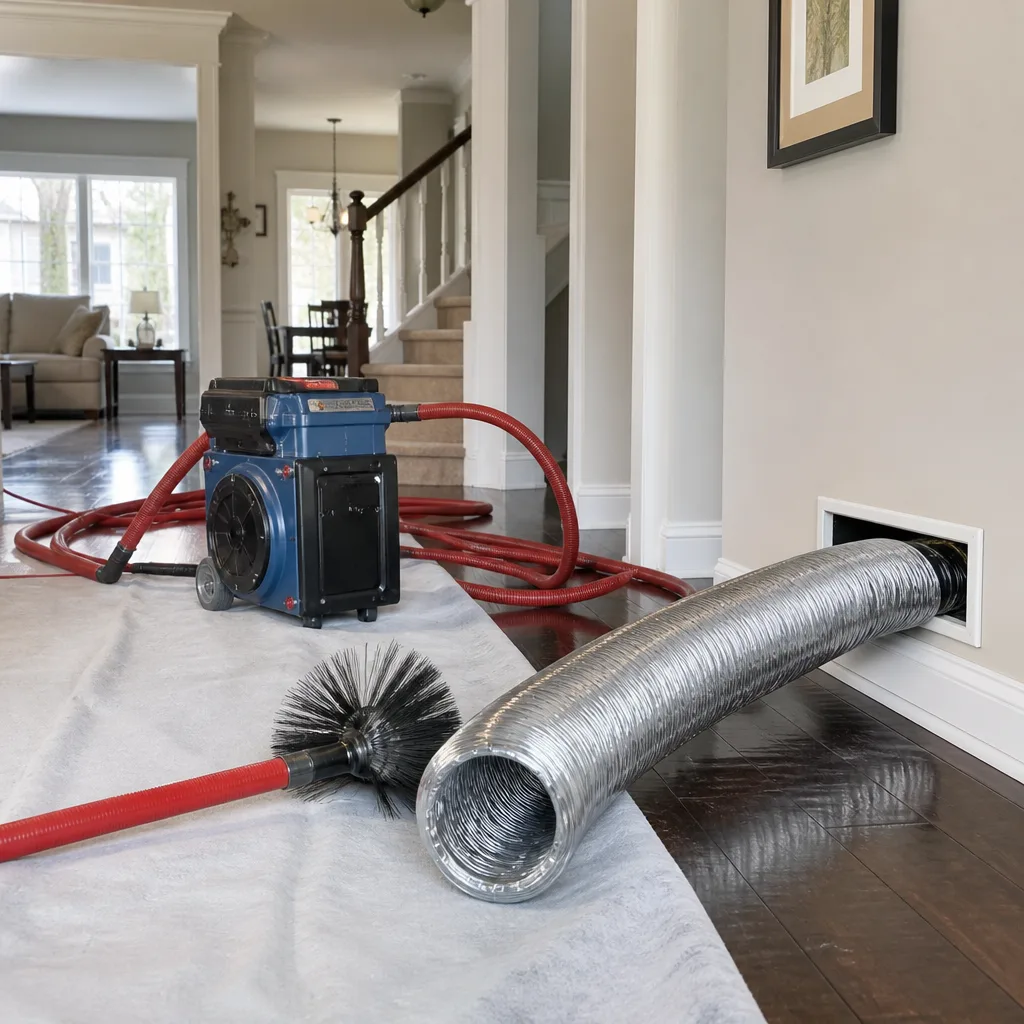 Whole-home duct cleaning
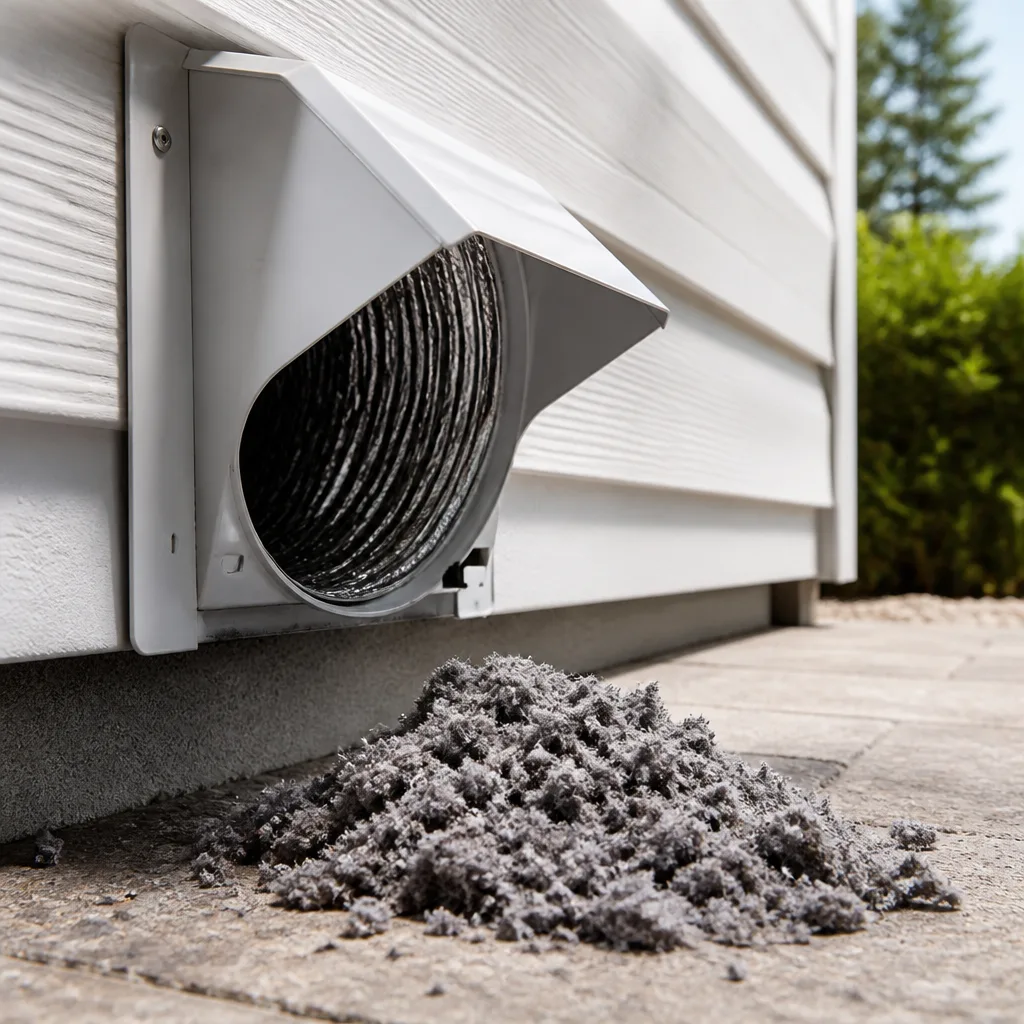 Dryer vent cleaning
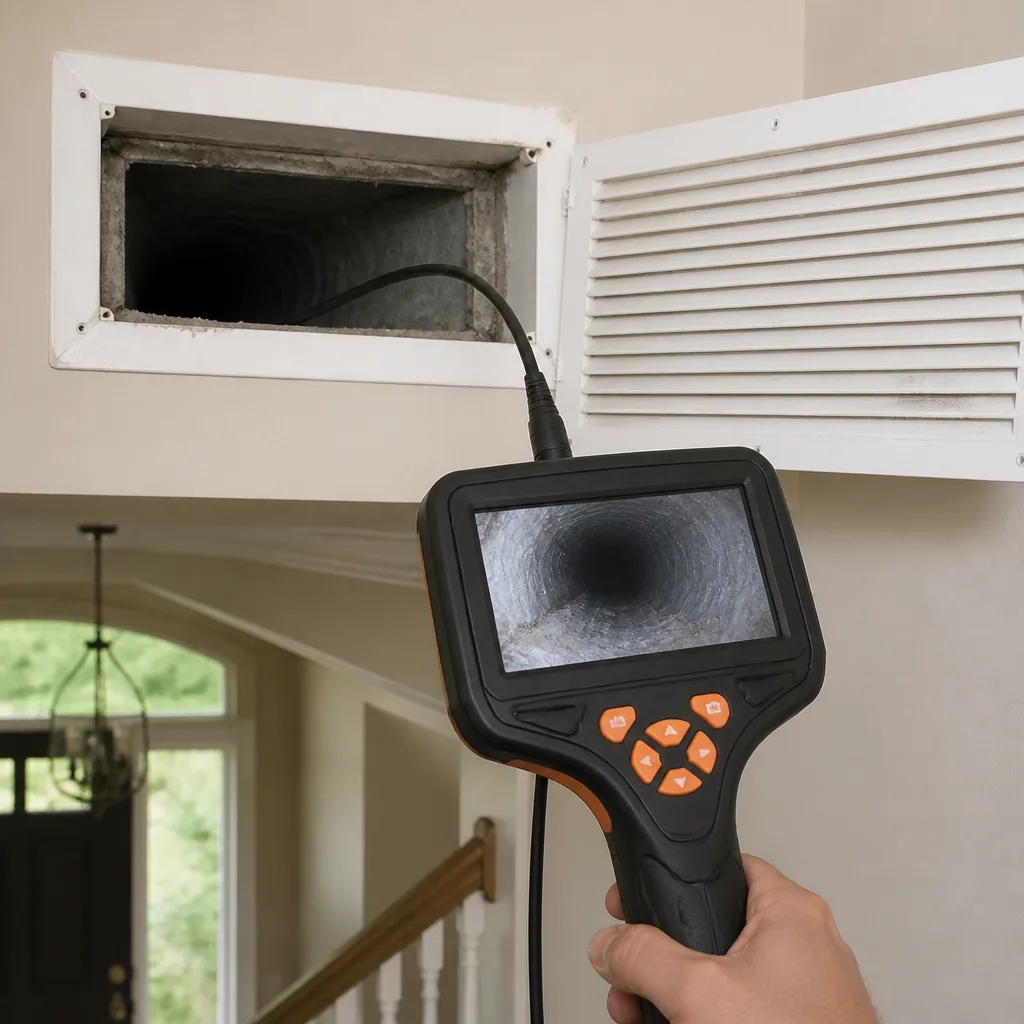 Camera inspection
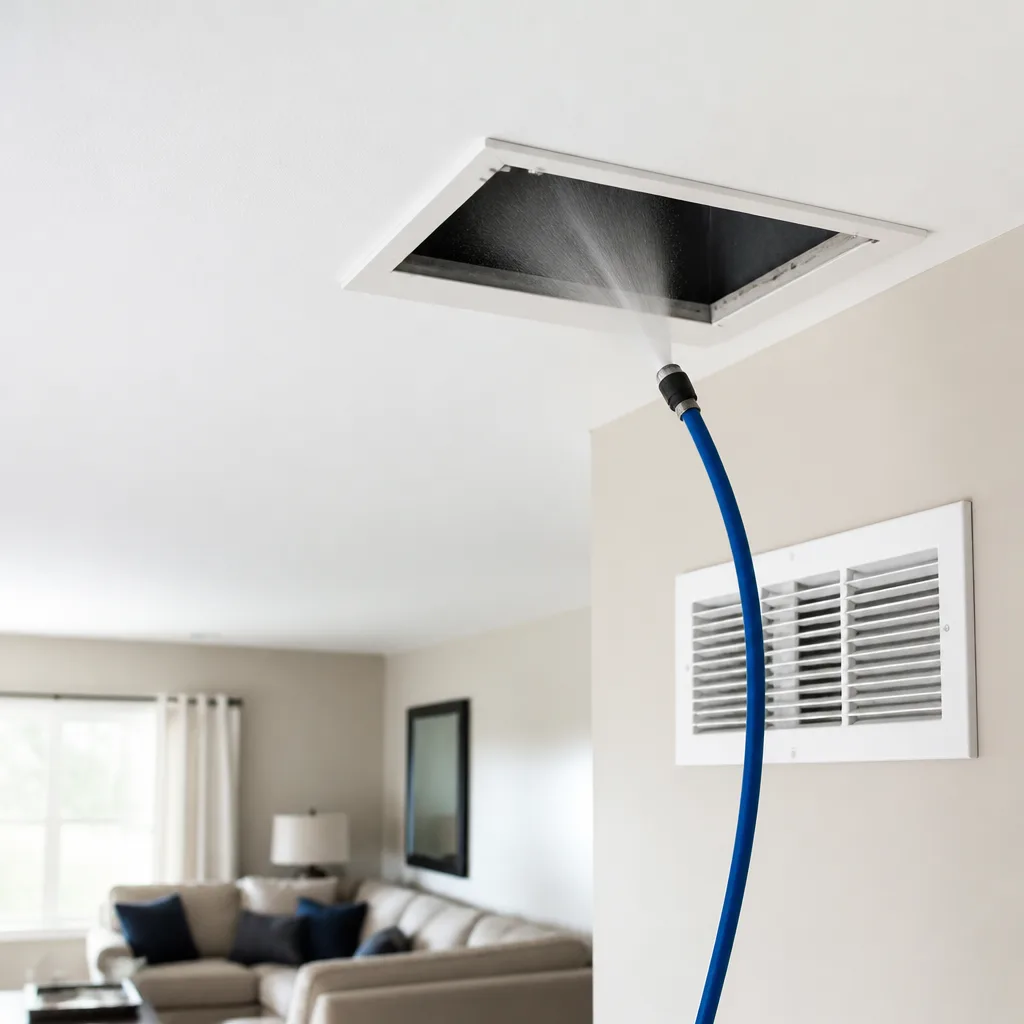 Sanitizing & deodorizing
Whole-system duct and dryer vent check with before-and-after photos - you see exactly what came out of your vents
That "$99 whole-house special" is a bait ad - the real number appears once they are in your hallway, or the "clean" is a shop-vac at the register. We photograph the inside of your ducts before and after instead.
The Complete Guide to Air Duct Cleaning in Woodside
The average Woodside home has ductwork that hasn’t been professionally inspected since the building was constructed, and in a neighborhood where pre-war and postwar housing stock dominates, that’s a long time for debris, dead zones, and microbial buildup to accumulate unseen. Most duct cleaning guides describe the service in generic terms, as if every home sat on a suburban lot with easy access to every run. Woodside doesn’t work that way. Attached row houses, older multi-family buildings, and garden apartments create access and contamination patterns you won’t find in a tract home, and they change what a real full-system clean actually involves. In this guide we’ll explain how the process works inside a Woodside building, what “full-system” means, how to tell source removal from surface agitation, and what NADCA’s ACR standard requires before a contractor calls a system clean.
Quick Answer
Air duct cleaning in Woodside is a full-system process that extracts accumulated debris from supply and return lines, the air handler, the coil, and the drain pan using professional-grade equipment, not consumer vacuums. A proper clean follows the NADCA ACR standard, uses negative-air containment so dislodged contaminants are captured rather than pushed into living space, and finishes with verification before the job is called done. The written estimate sets the final price, and one flat price per system is agreed before work starts.
Styles & brands we work with
- Whole-home duct cleaning
- Dryer vent cleaning
- Camera inspection
- Sanitizing & deodorizing
Table of Contents
- Why Woodside’s Housing Stock Changes How Duct Cleaning Works
- What “Full-System” Actually Means
- Truck-Mounted Negative Air vs. Portable Consumer Units
- How to Read a Technician’s Process: Source Removal vs. Surface Agitation
- Why the NADCA ACR Standard Exists
- How Much Does Air Duct Cleaning Cost in Woodside?
- Sanitizing, Sealing, and Long-Term Air Quality
- Dryer Vent Cleaning: The Service Most Duct Cleaners Skip
Why Woodside’s Housing Stock Changes How Duct Cleaning Works
Woodside is dominated by attached row houses, older multi-family buildings, and garden apartments built in the pre-war and postwar decades. That building stock shapes ductwork in ways that suburban tract homes don’t match. Ducts run through shared walls, chases, and low-clearance ceiling cavities rather than open attic space. There are short runs, tight turns, and in some buildings original gravity or early forced-air systems that have been retrofitted over the decades. Access points are limited, and return air often routes through a central chase rather than a dedicated ducted return in each room.
That layout produces specific contamination patterns:
- Dead zones behind chases. Debris collects where a run passes a cavity the airflow doesn’t fully sweep. These spots hold dust and microbial growth that periodic filter changes never touch.
- Shared-wall return leakage. In attached homes, return lines that pass through a shared partition can draw air across neighboring cavities, carrying dust and odors.
- Oversized older air handlers. Pre-war and postwar systems were often sized generously. An air handler running below its intended static pressure moves less air, which lets debris settle in the ducts rather than stay suspended.
- Garden apartment risers. Multi-unit buildings often share vertical supply risers. Contamination in one unit’s branch can settle where air is slowest, usually the top of a riser or the far end of a long run.
None of this means a Woodside home can’t be cleaned properly. It means the technician has to understand the layout before opening a single access panel. A crew that treats a Woodside row house like a suburban ranch will miss the dead zones and cross-contaminated returns that matter most. For a fuller look at the underlying service, see air duct cleaning.
What “Full-System” Actually Means
A full-system clean covers every component that touches the airstream, not just the visible duct runs. Stopping at the ducts leaves the job half done, because the air handler, coil, and drain pan are where the heaviest contamination collects. Each of these components sits in the path of every cubic foot of air the system moves, and each accumulates material the ducts alone can’t reach.
Here’s what a full-system clean should include:
- Supply lines. Every branch and trunk that delivers conditioned air to a room, cleaned from the air handler back to the register boot.
- Return lines. The path that carries air back to the system, including the central chase in buildings where returns share a riser.
- The air handler cabinet. The blower compartment and interior surfaces, where fine dust coats the housing and the wheel.
- The evaporator coil. The damp, cold surface where microbial growth is most likely. A fouled coil both restricts airflow and reintroduces contaminants into the airstream.
- The drain pan. Standing moisture and biofilm in the pan are a common source of musty odors that persist even after the ducts are clean.
- Registers and grilles. Removed, cleaned, and reinstalled, not just wiped on the face.
When a quote describes only the ducts, ask what happens to the coil and the air handler. If the answer is “we don’t touch those,” you’re getting a partial service. In a Woodside building where the coil is already working harder against restricted airflow, that gap matters more than it would in a newer home. Our HVAC cleaning service covers the full system rather than the ducts alone.
Truck-Mounted Negative Air vs. Portable Consumer Units
The equipment class determines whether debris is extracted from the system or simply redistributed into your living room. This is the single most important distinction in duct cleaning, and it’s the one most homeowners never see. The tool on the truck or van tells you what kind of job you’re getting before a technician touches a panel.
Truck-mounted and high-capacity negative-air machines move enough air to put the entire duct system under continuous negative pressure while cleaning happens. Debris loosed from the walls is pulled toward the machine and captured, not pushed back through the registers. Portable consumer units, and the brush kits sold in hardware stores, can’t sustain that pressure across a multi-run Woodside system. They dislodge material, but they can’t draw it out fast enough to keep it from settling elsewhere or escaping into the room.
Containment is the second half of the equation. During cleaning, we deploy Abatement Technologies negative-air and HEPA containment equipment, the same category of tools used in remediation work. That combination, high-capacity extraction plus sealed containment at the openings, is what keeps the process contaminant-capture rather than contaminant-spread. The cleaning tools themselves matter too. Rotobrush and Nikro systems are the industry-standard equipment used by certified indoor air quality contractors, and they’re designed to clean duct walls without damaging the liner or the seams.
If a company shows up with a shop vacuum and a handheld brush, the job is not full-system cleaning. Ask what machine they’ll run before the appointment is booked.
How to Read a Technician’s Process: Source Removal vs. Surface Agitation
Source removal and surface agitation look similar from the doorway but produce very different results. Source removal extracts the material from where it settled and takes it out of the building. Surface agitation knocks debris loose and relies on airflow to move it somewhere else, sometimes deeper into the system. Knowing which one you received is the difference between a clean system and one that looks clean at the registers.
Source removal follows a defined sequence:
- Inspection first. The technician inspects the system, identifies contamination, and confirms access before cleaning. In a Woodside row house, that usually means locating the access points in shared walls and ceiling chases before opening anything.
- Containment setup. Negative-air and HEPA equipment is placed to seal the work zone and hold the system under pressure throughout the job.
- Mechanical contact. Rotary brushes and air whips run the length of each run, bringing material off the walls and into the airstream.
- Extraction. The high-capacity machine pulls the loosened debris out and captures it.
- Component cleaning. The air handler, coil, and drain pan are cleaned while the system is still contained.
- Verification. The technician inspects the cleaned surfaces before calling the job complete, and before-and-after photos of your own system show what was removed.
Surface agitation alone skips steps two and four. If a technician cleans without containment, works only through the registers, or can’t show you photos of the interior after cleaning, the process was agitation. You don’t have to watch every step, but you should ask for the before-and-after photos. They’re the record of what actually came out of your ducts.
Why the NADCA ACR Standard Exists
The NADCA ACR standard (Assessment, Cleaning, and Restoration) exists because “clean” is otherwise a matter of opinion, and duct cleaning has a reputation problem built on exactly that ambiguity. The standard is set by the National Air Duct Cleaners Association, and it defines what a contractor must verify before a system can be called clean. It separates a defined process from a quick pass with a vacuum.
In practice, the standard requires the contractor to:
- Assess the system before cleaning. Understand the layout, the contamination, and the access before any equipment is turned on.
- Use source removal as the method. Extract contamination from the surfaces where it settled, not push it downstream.
- Maintain containment. Keep the work zone under negative pressure so dislodged contaminants are captured, not released into occupied space.
- Clean the full system. Supply, return, air handler, coil, and drain pan, not a subset.
- Verify the result. Inspect the cleaned surfaces before declaring the system clean.
The standard is what lets a homeowner compare two bids on the same terms. When a contractor follows ACR, their process is defined and verifiable. When they don’t, “we cleaned your ducts” means whatever they decide it means. In Woodside, where access constraints and shared-wall returns create genuine complexity, the ACR approach is the difference between a documented clean and a promise.
How Much Does Air Duct Cleaning Cost in Woodside?
Air duct cleaning in Woodside is priced per system, not per vent, and the written estimate sets the final price. Whole-system work typically runs in the mid-hundreds to low-thousands depending on the number of runs, the system’s condition, and whether the job includes the air handler and coil. A row house with a single air handler and a straightforward layout lands at the lower end. A multi-family building or garden apartment with shared risers, limited access, or heavy contamination lands higher.
Here’s how the components break down:
| Service | What it covers | Typical range |
|---|---|---|
| Duct cleaning (full system) | Supply and return lines, registers, access setup, containment | Mid-hundreds to low-thousands |
| Air handler and coil cleaning | Blower compartment, evaporator coil, drain pan | Often folded into the full-system price |
| Sanitizing treatment | Guardsman-protective treatment after cleaning | Add-on, priced by system |
| Duct repair and sealing | Sealing leaks in shared-wall returns and chases | Quoted separately after inspection |
| Dryer vent cleaning | Dedicated dryer vent line and termination | Standalone service price |
Why are some quotes so much cheaper? Usually because they’re priced per vent, quoted for a partial job the homeowner can’t see, or run with portable equipment that can’t do the work the price implies. A coupon price that becomes a far larger invoice once the technician is on site is the bait-and-switch pattern. The answer is one flat price per system agreed before work starts, with before-and-after photos of your own ducts. Call (877) 792-6795 for an exact quote. Estimates are free.
Sanitizing, Sealing, and Long-Term Air Quality
Cleaning removes what’s there; sanitizing and sealing keep the system from returning to the same condition. That’s why the end-to-end scope matters in a Woodside home, where older ductwork with marginal seams and shared-wall returns will re-contaminate faster than a tight, newer system. A clean followed by no protection is a one-time fix that drifts back within a couple of seasons.
After the system is verified clean, the next layer is:
- Sanitizing treatment. Guardsman-brand antimicrobial or protective treatments applied after cleaning to the interior surfaces. This is the part that extends the job beyond a single visit, and it’s why the service can be treated as maintenance rather than a chore.
- Duct repair and sealing. Sealing leaks at joints, boots, and shared-wall returns restores the system pressure that keeps debris suspended and moving to the filter rather than settling in the ducts.
- Long-term air quality solutions. We work with Honeywell and Aprilaire products, the same brands found in hospitals, schools, and commercial buildings, to keep filtration and treatment running after the cleaning is done.
The air inside your home deserves the same standard as the air in a hospital. That’s not a marketing line, it’s the frame for how the scope is put together. Cleaning, sealing, and sanitizing together are what keep a Woodside system clean between services.
Dryer Vent Cleaning: The Service Most Duct Cleaners Skip
Dryer vent cleaning addresses a leading household fire risk, and most duct cleaning companies either overlook it or outsource it. The vent line is a separate system from the HVAC ducts, it accumulates lint in the same way, and it is the one duct in the house where a blockage is a fire hazard rather than an air quality issue. Lint is highly flammable, and a restricted vent also forces the dryer to run longer, which is an efficiency problem on top of the safety one.
Why it gets skipped: the equipment is different, the access is different, and a company that only runs duct cleaning equipment isn’t set up for it. We treat dryer vent cleaning as a dedicated service for that reason. It’s checked and cleaned with the right equipment, as its own job, not an afterthought tacked onto an HVAC appointment.
If you’re booking duct cleaning in a Woodside building and the dryer vent hasn’t been inspected in years, ask about it in the same call. In older row houses, the vent run is often longer and more convoluted than the dryer’s location suggests, and that’s exactly where lint accumulates.
Common Mistakes to Avoid
- Hiring on price per vent. A low per-vent number is the setup for a larger invoice once the technician is on site. Ask for a flat per-system price in writing before work starts.
- Accepting a clean that skips the coil and air handler. In a Woodside building where the coil sits behind a shared-wall chase, it’s the component most likely to be fouled and most likely to be ignored. A partial clean leaves the contamination source in place.
- Letting a company clean without containment. Negative-air and HEPA containment is what keeps dislodged contaminants out of your living space. Cleaning without it moves debris through the house.
- Not asking for before-and-after photos. Photos of your own system are the only record that the work was done. A company that can’t show them didn’t document the job.
- Assuming a newer building doesn’t need it. Garden apartments and postwar multi-family buildings still accumulate debris in shared risers and dead zones. Building age changes the pattern, not the need.
- Skipping the dryer vent. It’s a separate system with a separate risk, and it’s routinely left out of HVAC appointments. Ask for it explicitly.
- Treating cleaning as a one-time reset. Without sealing and a sanitizing treatment, a clean Woodside system drifts back toward the same condition within a couple of seasons, especially where returns leak into shared walls.
See the difference
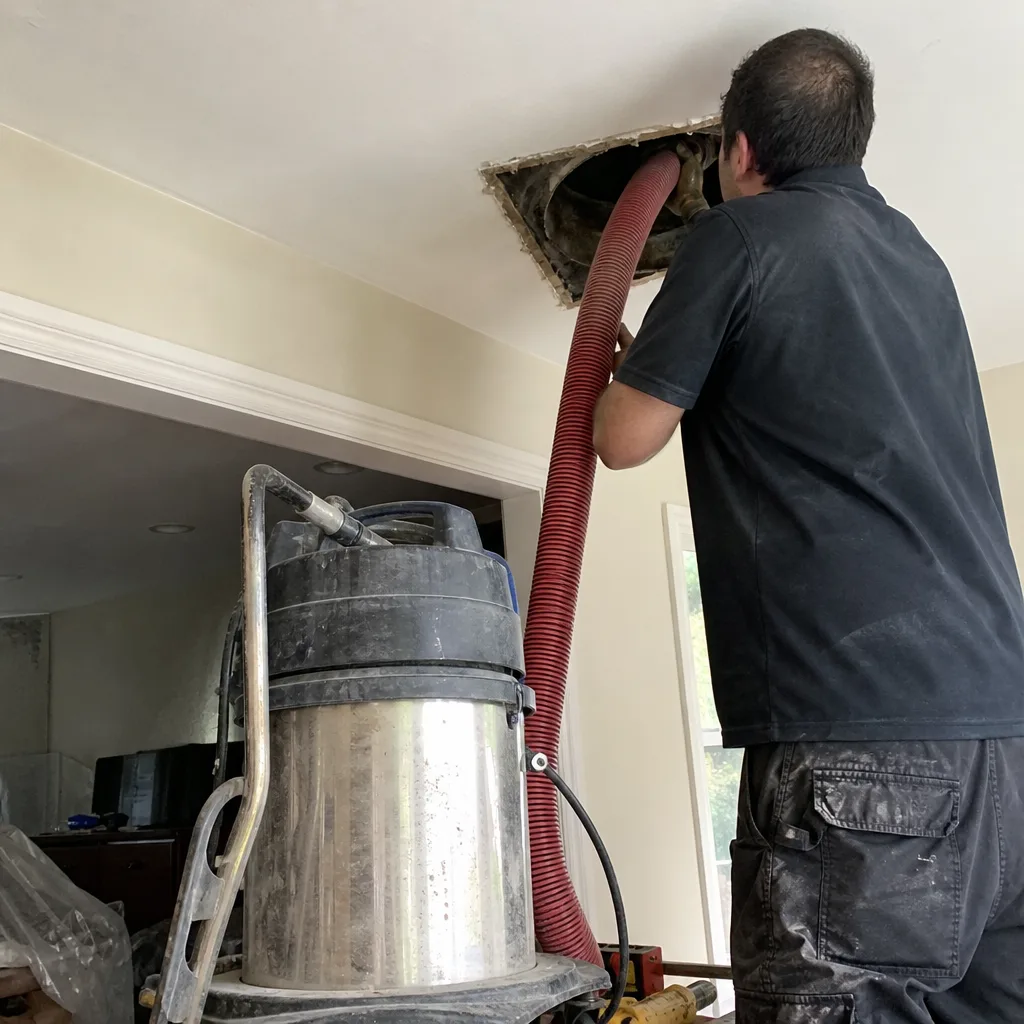 Before
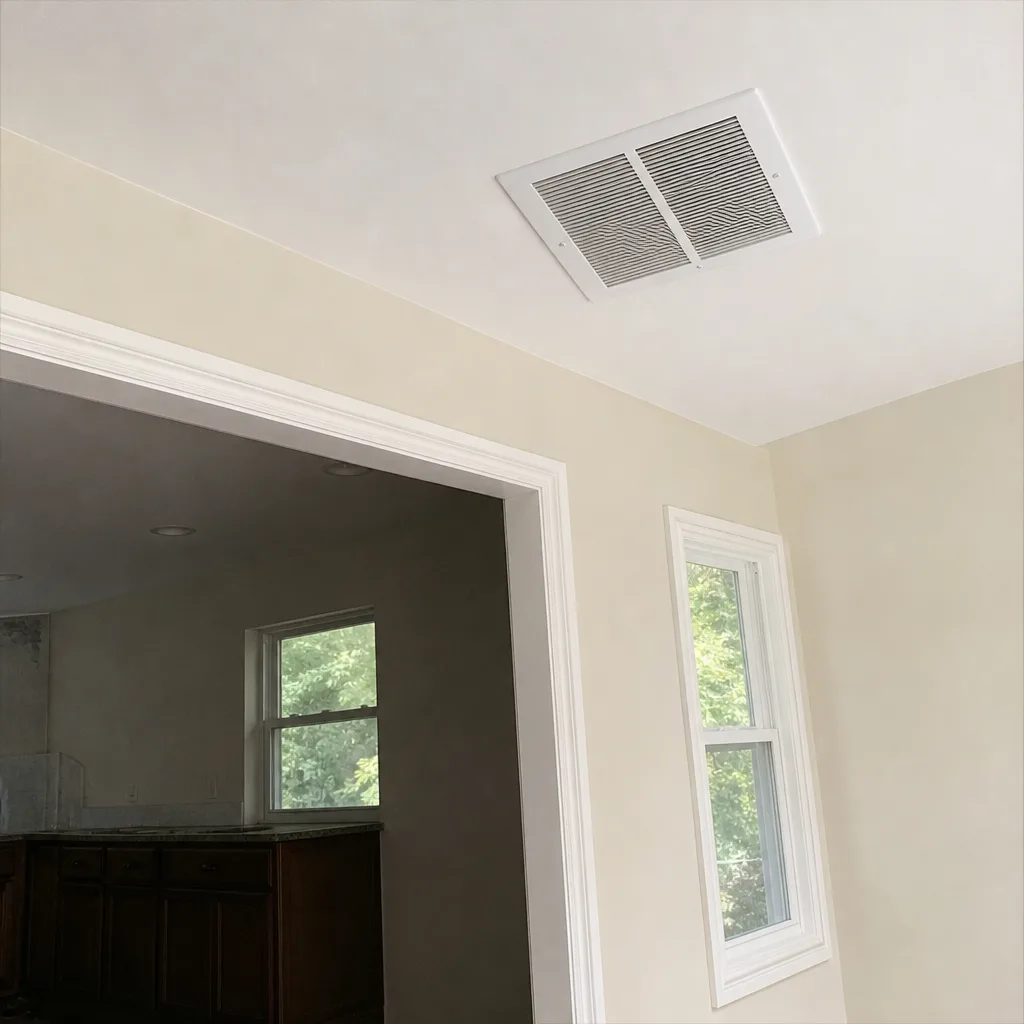 After
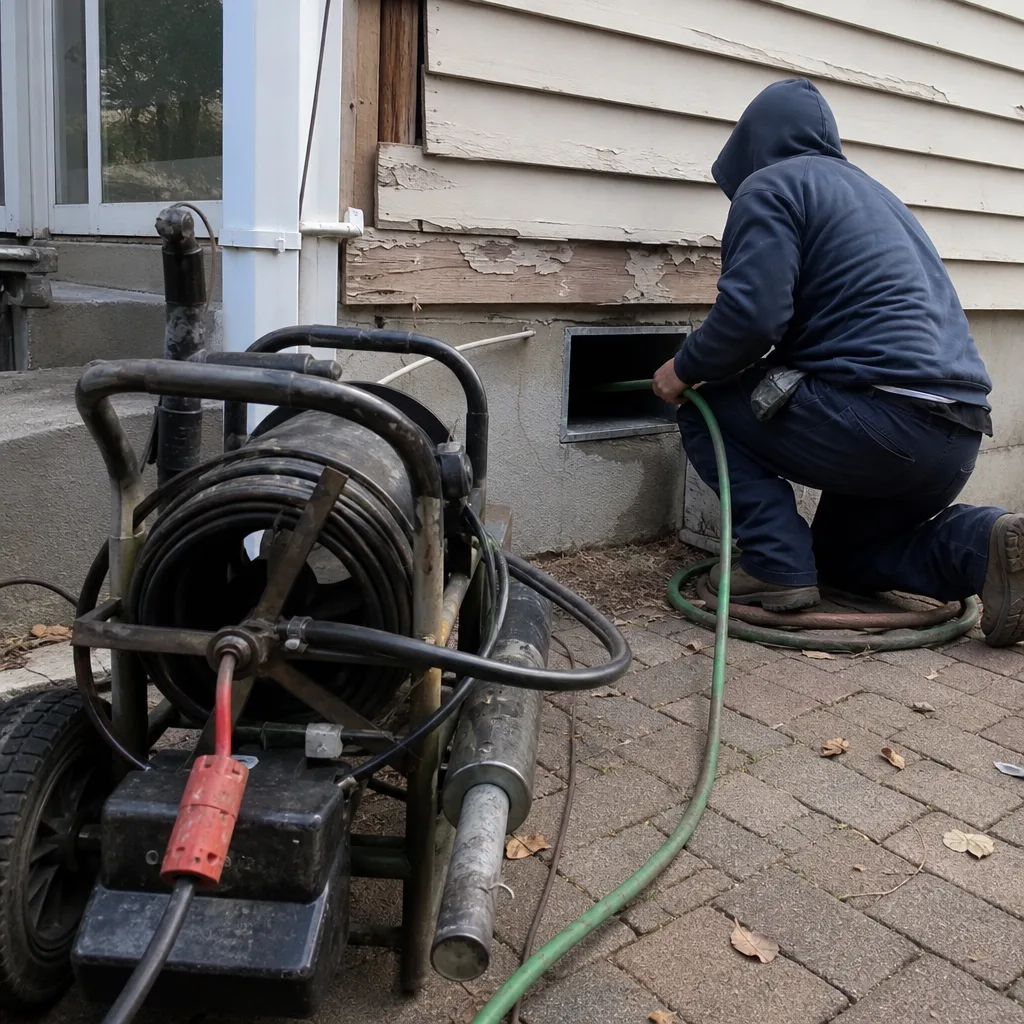 Before
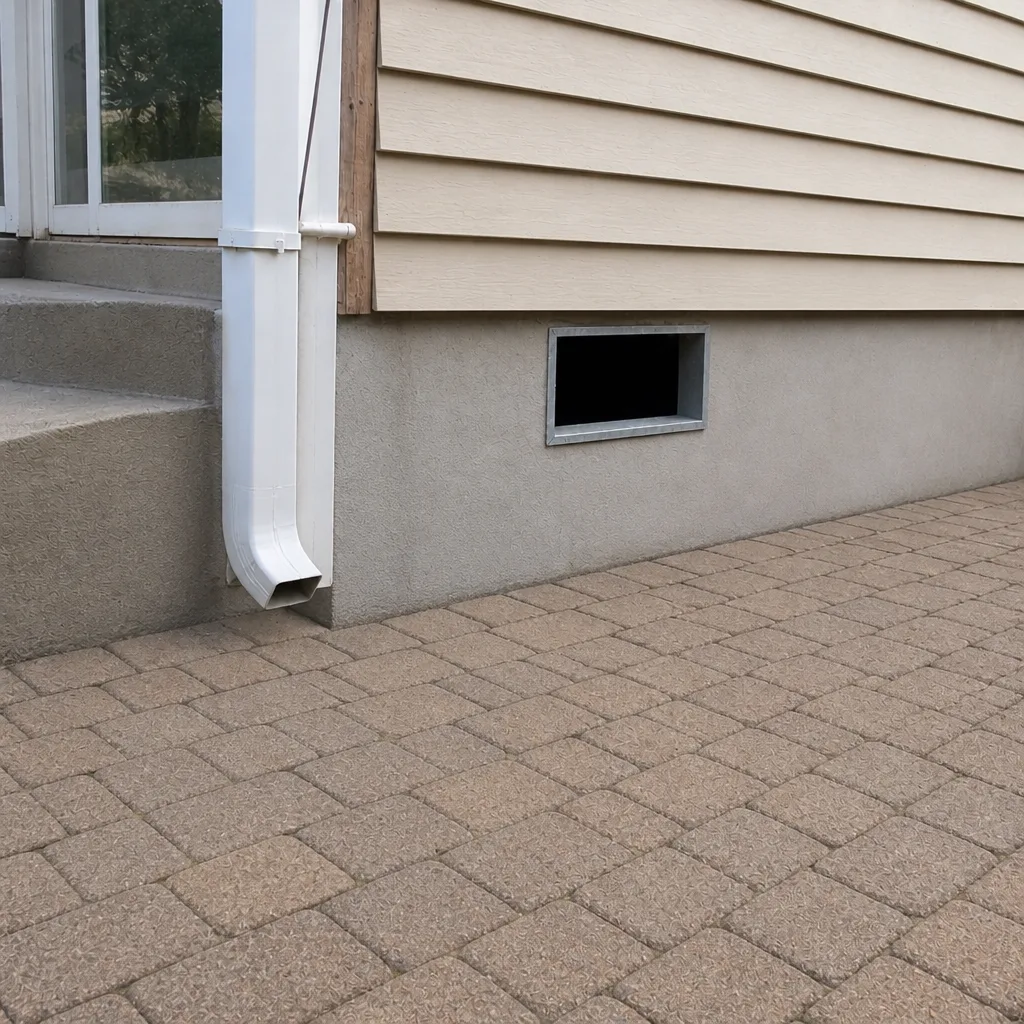 After
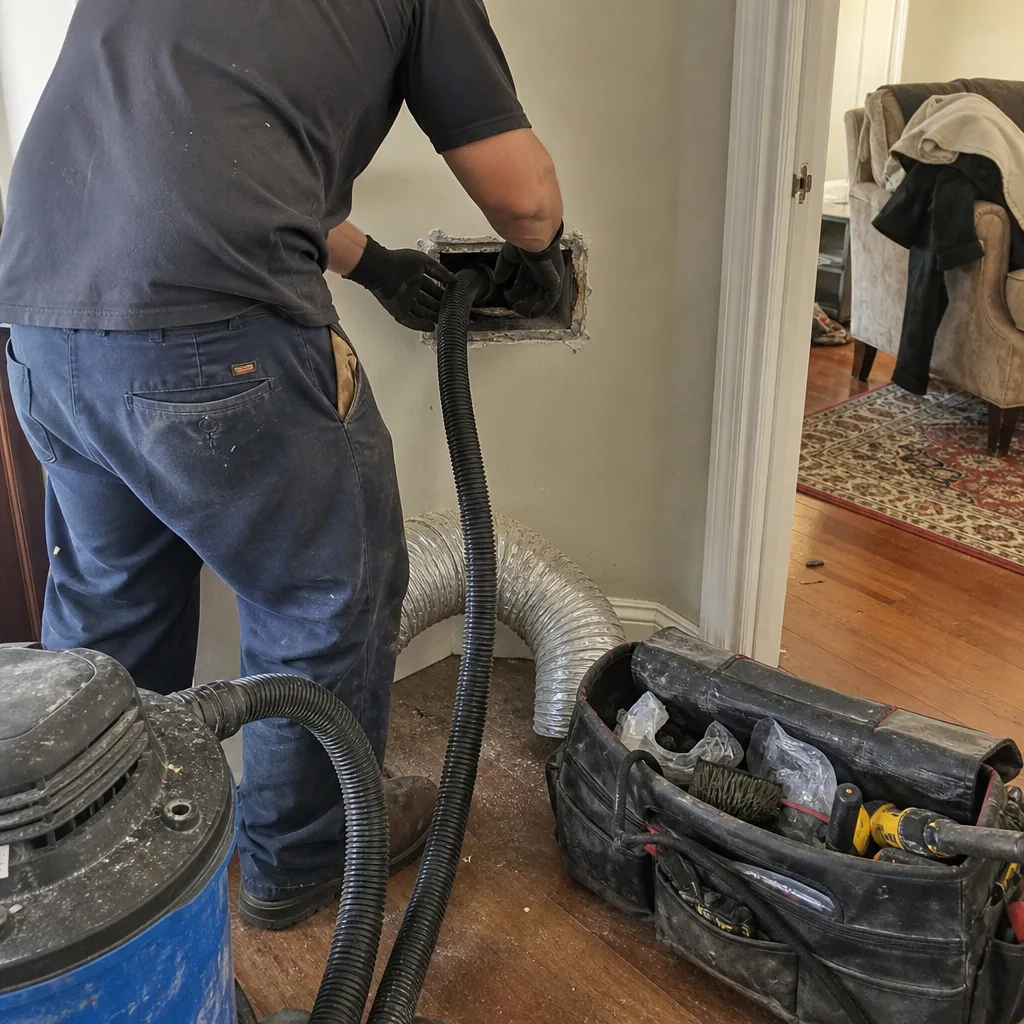 Before
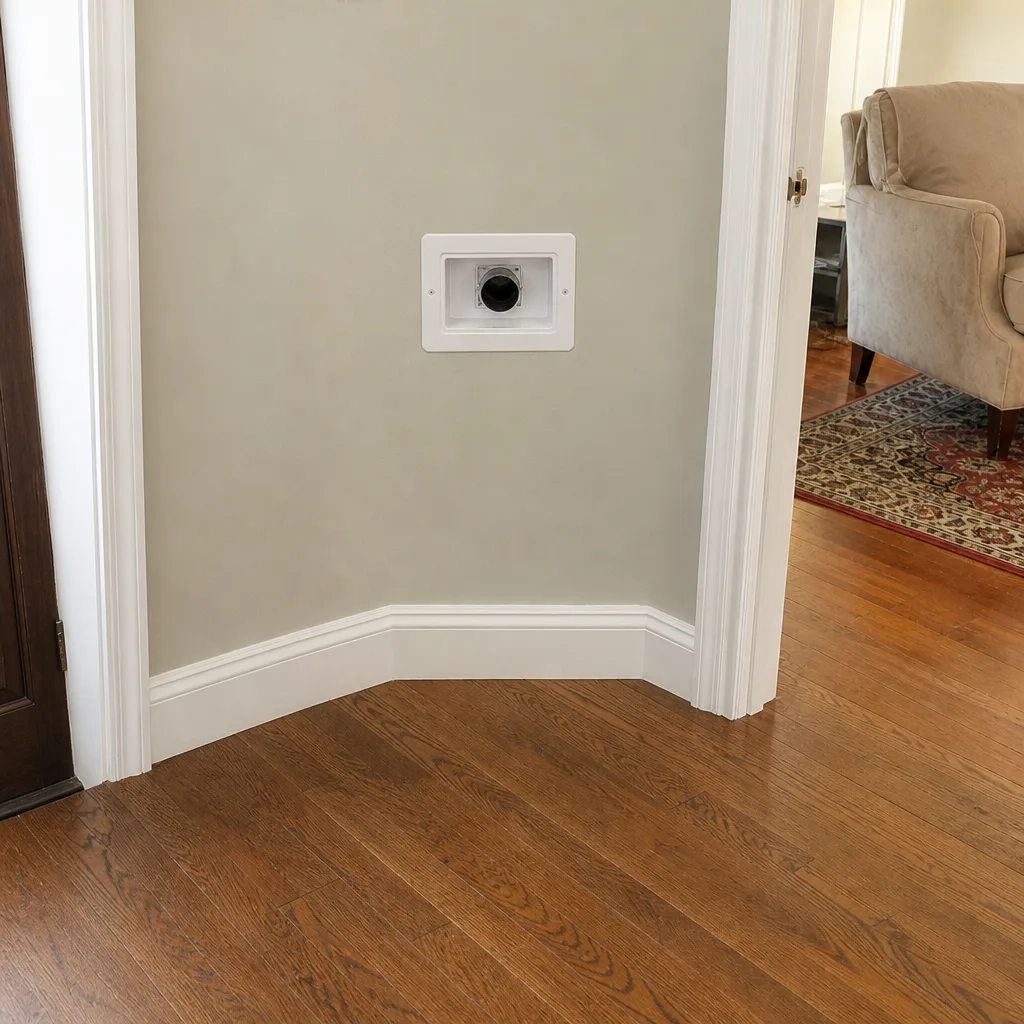 After
When to Call a Professional
Call a professional when you see visible dust streaming from a register when the system starts, when a musty or stale odor comes back every time the heat or AC runs, or when you’ve moved into a Woodside home and don’t know the last time the ducts were inspected. Persistent allergy symptoms that ease when you leave the house are another signal worth investigating. An aging HVAC system with restricted airflow, a dryer that takes longer than it used to, or a recently renovated building where construction dust may have settled into the returns all point the same way. These aren’t jobs for a hardware-store vacuum, because consumer tools can’t sustain the negative pressure that keeps debris from being redistributed. Air Duct Cleaning Woodside offers free estimates in Woodside. Call (877) 792-6795. We answer 24/7. Fast dispatch from 7am to 7pm, Sunday through Friday.
Frequently Asked Questions
Whole-system air duct cleaning in Woodside typically runs in the mid-hundreds to low-thousands, priced per system rather than per vent, with the written estimate setting the final price. The range depends on the number of runs, the condition of the system, and whether the job includes the air handler and coil. Call (877) 792-6795 for an exact quote. Estimates are free.
A full-system clean in a Woodside row house usually takes several hours, and a multi-family or garden apartment with shared risers can take longer because of access and containment setup. The job isn’t done until the technician verifies the cleaned surfaces and the containment is confirmed clear. Ask for the before-and-after photos when the work is finished.
Most homes benefit from a professional inspection every few years, and a full clean when the inspection finds meaningful accumulation or when the system has been through renovation or heavy contamination. Woodside buildings with leaking shared-wall returns tend to need it sooner, because unsealed leaks let debris settle back into the ducts. Call (877) 792-6795 to schedule an inspection and get a straight answer on your specific system.
You’ll know the work was done when you’re shown before-and-after photos of your own ducts and the technician verifies the cleaned surfaces before leaving. That verification step is part of the NADCA ACR standard, and it’s why the process is defined rather than left to the technician’s discretion. Ask for the photos up front so there’s a record either way.
Cheaper quotes usually price per vent, skip the air handler and coil, or use portable equipment that can’t hold a system under negative pressure. The gap gets filled once the technician is on site, and the homeowner is left with an invoice larger than the quote. A flat per-system price in writing is the way to avoid it. Call (877) 792-6795 for a quote that covers the whole system.
Yes, dryer vent cleaning is a dedicated service alongside HVAC work, not an add-on outsourced to someone else. It’s a separate system from the ducts and a leading household fire risk when lint builds up. In older Woodside row houses the vent run is often longer than the dryer’s position suggests, so it’s worth checking on the same visit. Call (877) 792-6795 to book it.
The Bottom Line
Duct cleaning in Woodside isn’t a one-size service, because the housing stock isn’t one-size. Attached row houses, pre-war and postwar multi-family buildings, and garden apartments create access and contamination patterns that a generic clean will miss. Full-system means supply, return, air handler, coil, and drain pan. Professional equipment means negative-air extraction with containment, not a shop vacuum and a brush. Verification means before-and-after photos of your own ducts. Get a flat per-system price in writing, confirm the scope covers the whole system, and ask for the photos. That’s the standard, and from cleaning to sealing to sanitizing, your ducts, your air, done right.
Contact
Ready to find out what’s actually in your ducts? Call (877) 792-6795 for a free estimate. We answer 24/7. Fast dispatch from 7am to 7pm, Sunday through Friday, closed Saturday. Read more about the full scope on our Air Duct Cleaning Woodside page, or ask about the other services on the same call.
Written by the team at Air Duct Cleaning Woodside.