
Last updated November 22, 2026
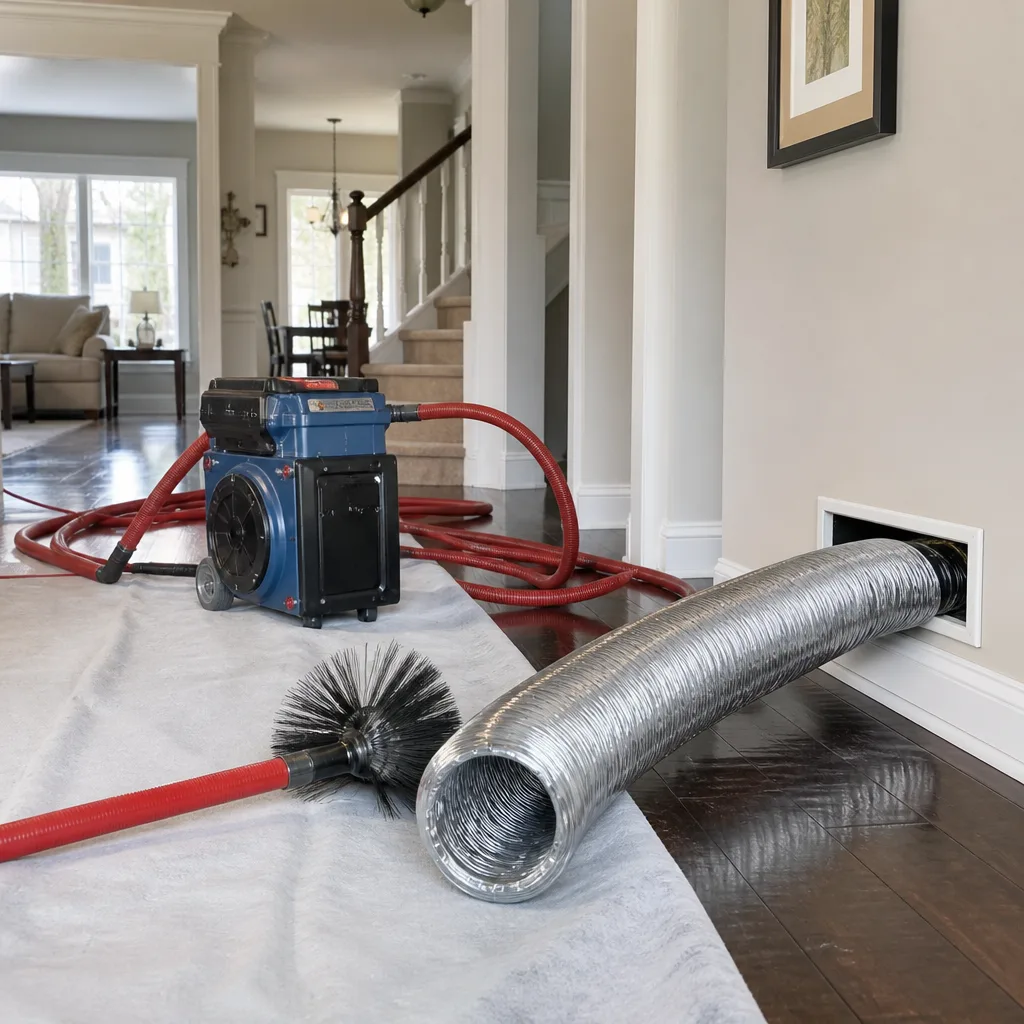 Whole-home duct cleaning
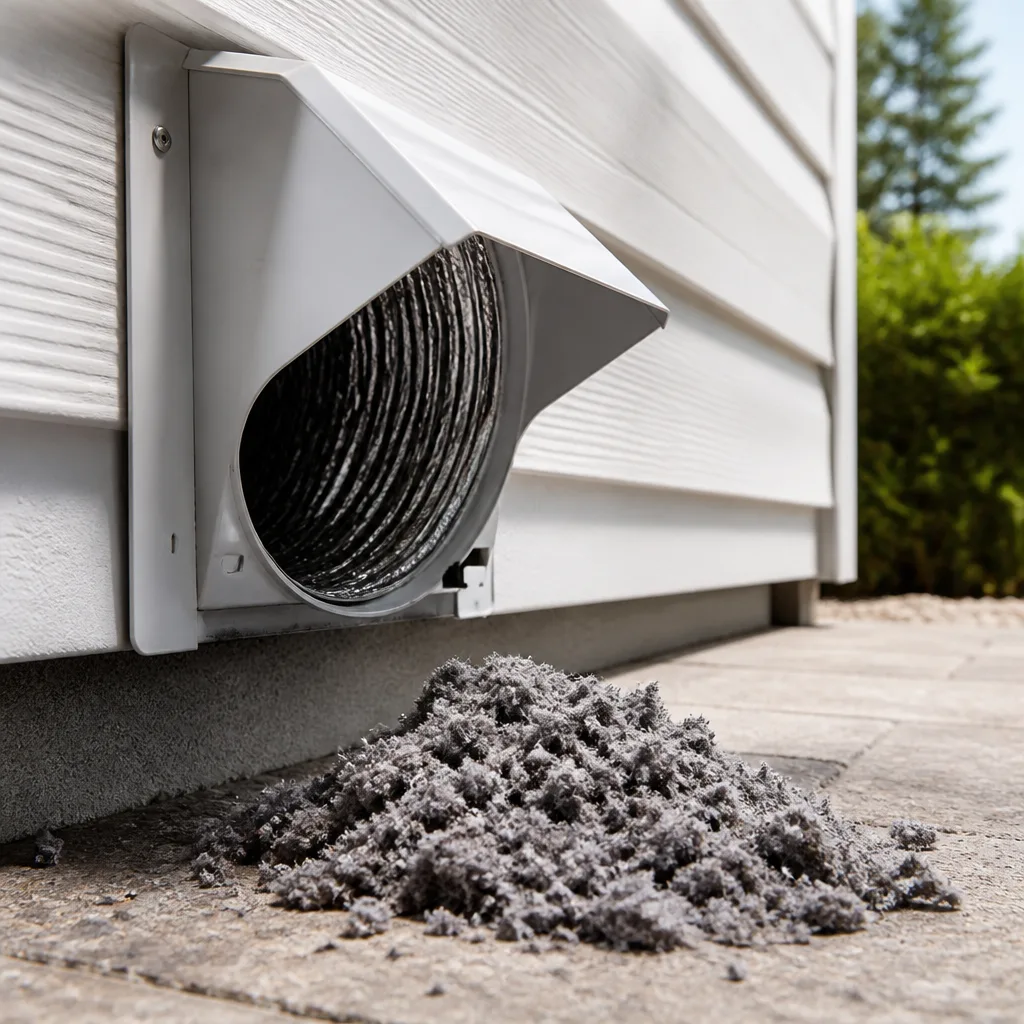 Dryer vent cleaning
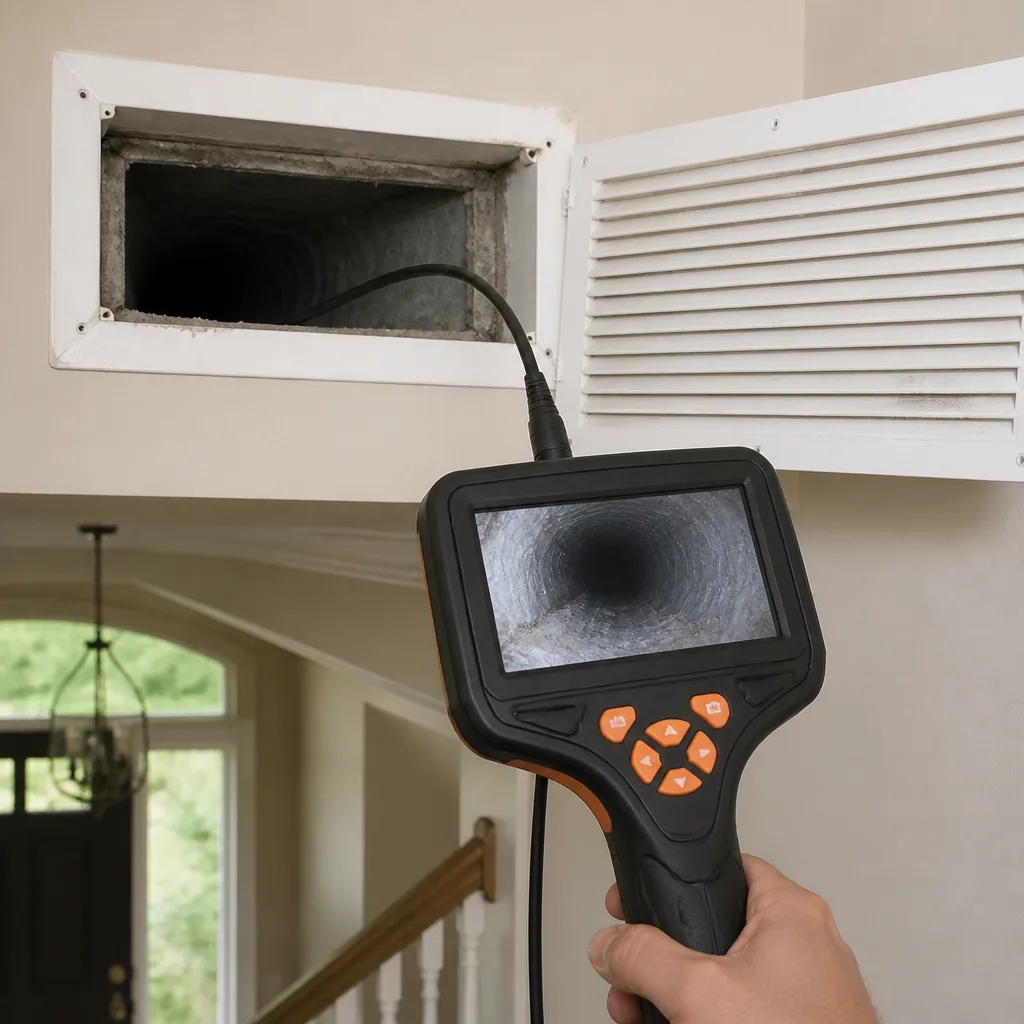 Camera inspection
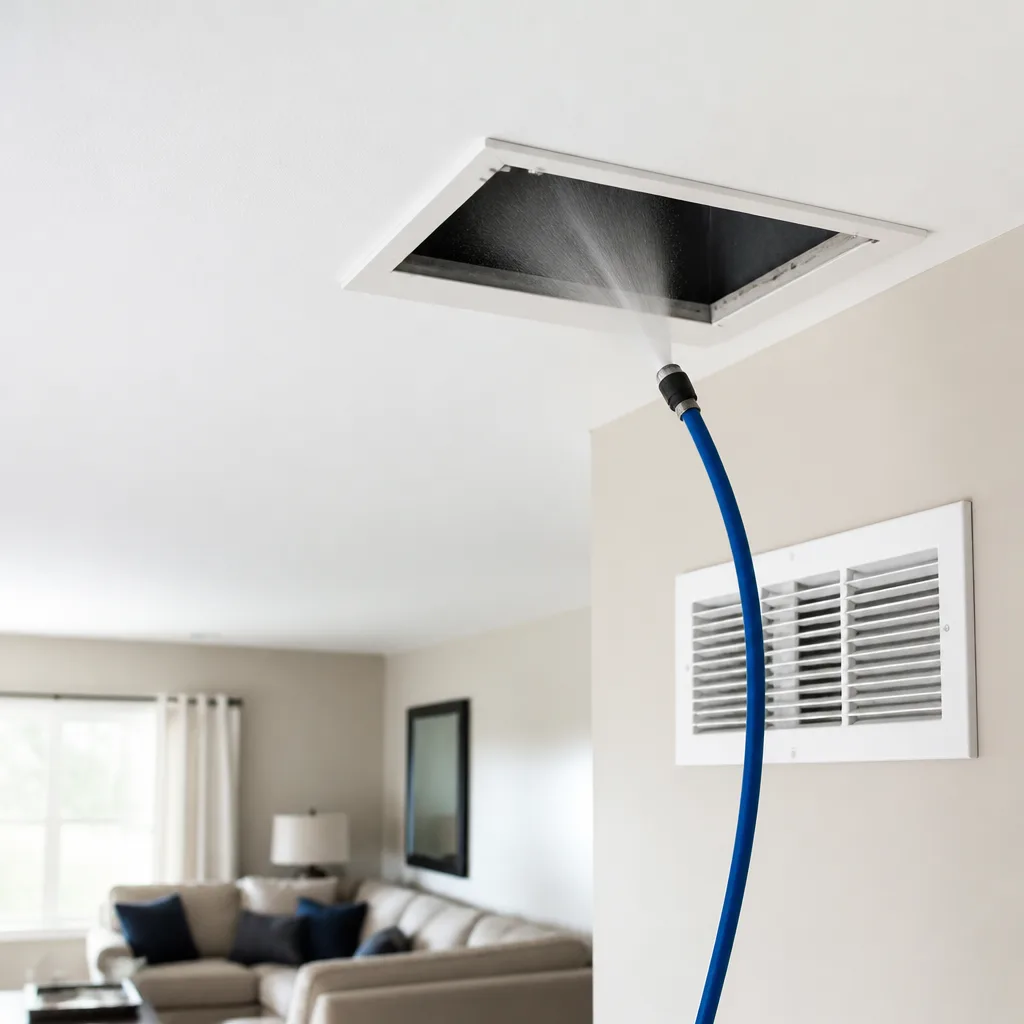 Sanitizing & deodorizing
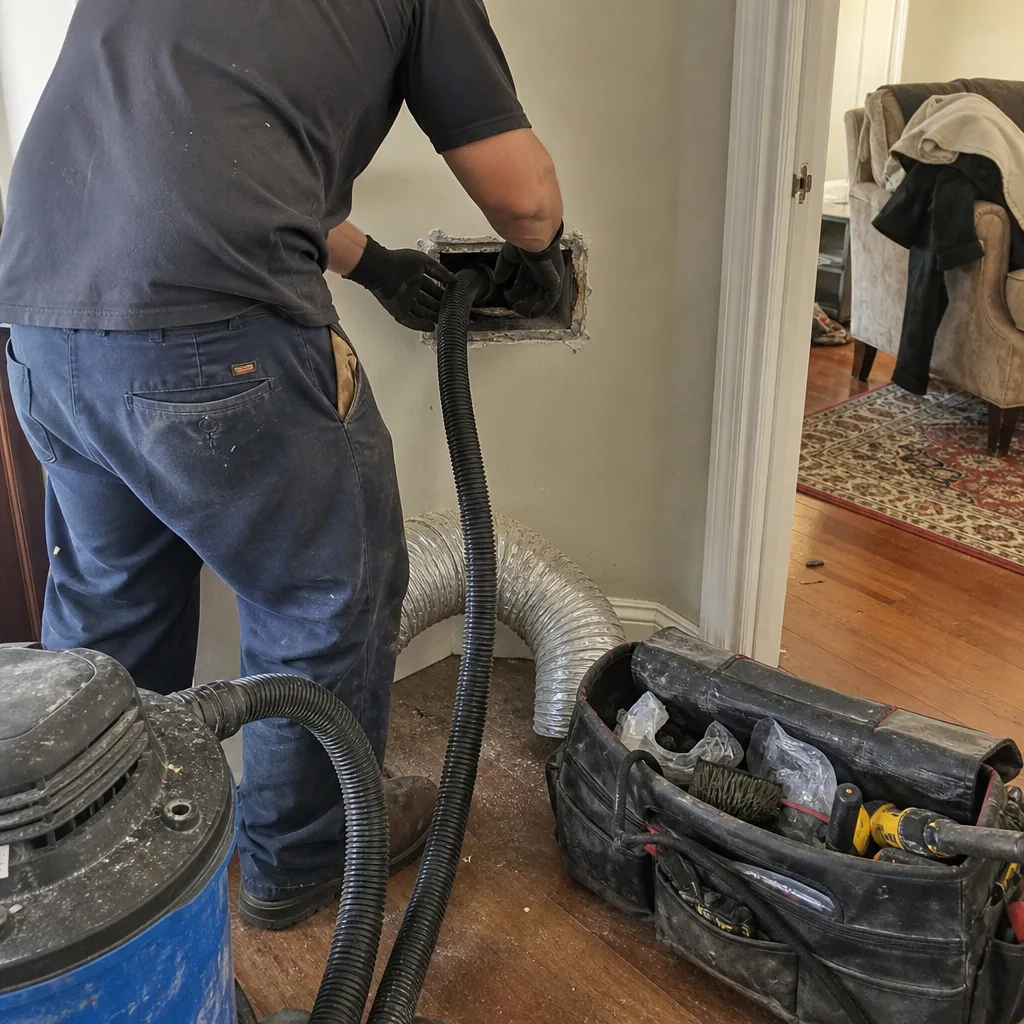
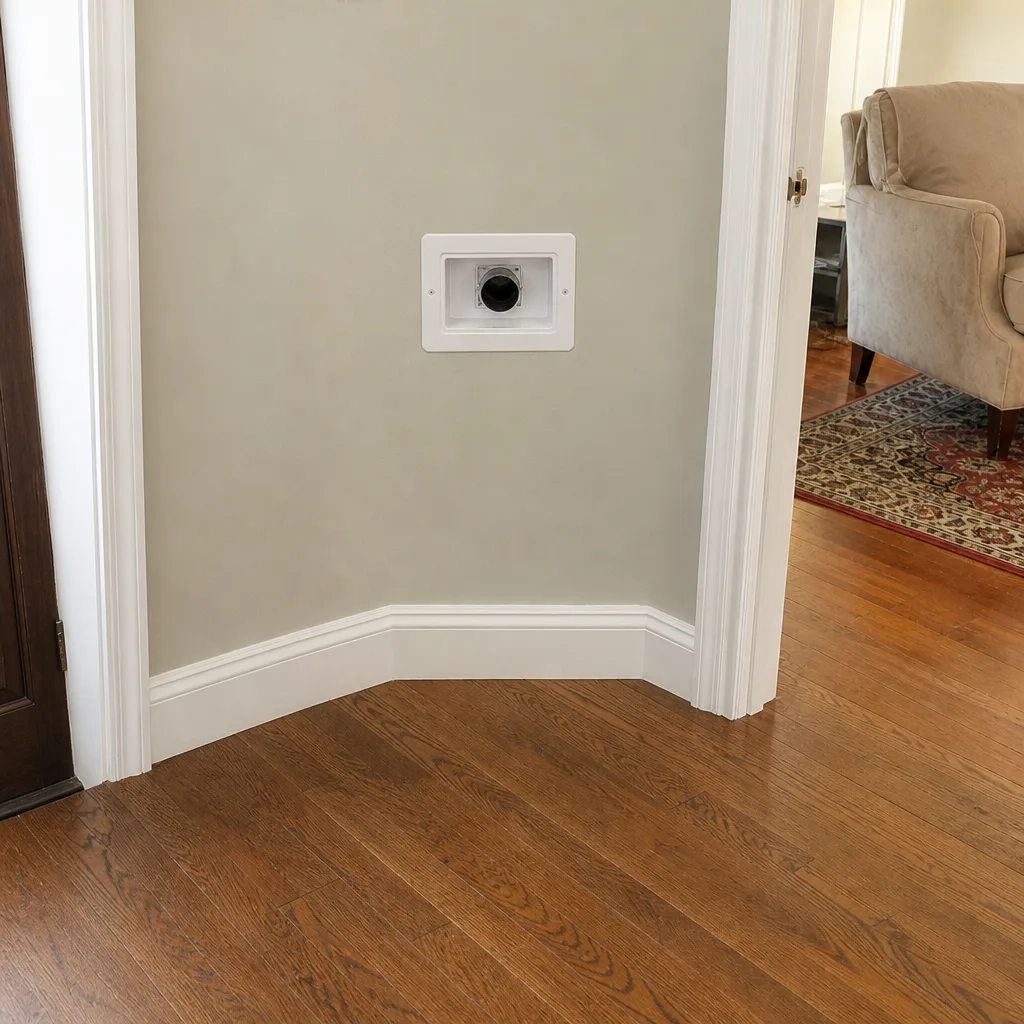
Whole-system duct and dryer vent check with before-and-after photos - you see exactly what came out of your vents
That "$99 whole-house special" is a bait ad - the real number appears once they are in your hallway, or the "clean" is a shop-vac at the register. We photograph the inside of your ducts before and after instead.
Seasonal Air Duct Cleaning Care for Woodside: Year-Round Homeowner’s Guide
Most homeowners in Woodside treat duct cleaning as a once-a-year chore, if they think about it at all. That’s the wrong frame. A duct system here doesn’t face one steady set of conditions; it faces four distinct ones as the year turns, and each one pushes a different kind of contamination into the same network of pipes above your ceiling. Spring pollen behaves nothing like winter heating particulate. Summer humidity creates a risk window that fall doesn’t. If you service your ducts once and forget them, you’re missing the seasons that matter most. This guide walks through what happens inside a Woodside duct system in each season, what to inspect and when, and how to build a simple log that makes every professional visit more useful.
Quick Answer
Air ducts in Woodside need attention in every season, not once a year: a spring inspection after the heating season ends, humidity control through summer, a pre-heating check in fall, and airflow monitoring all winter. The single most useful thing you can do is keep a seasonal log of filters, airflow, odors, and symptoms so a technician arrives with context instead of starting blind. Most homes benefit from a full professional cleaning every few years, timed to spring or fall when the system is between heating and cooling demand.
Styles & brands we work with
- Whole-home duct cleaning
- Dryer vent cleaning
- Camera inspection
- Sanitizing & deodorizing
Table of Contents
- Why Woodside Ducts Face Four Pressures, Not One
- Spring: The Post-Winter Inspection Window
- Summer: Humidity, AC Operation, and the Mold Risk Window
- Fall: The Pre-Heating Protocol
- Winter: Airflow, Pressure Imbalance, and Duct Wear
- How to Build a Seasonal Duct Log
- What a Professional Seasonal Visit Actually Involves
- Common Mistakes to Avoid
- Frequently Asked Questions
Why Woodside Ducts Face Four Pressures, Not One
Woodside sits within about half a mile of the BQE and the Long Island Expressway interchange. That geography matters more than most homeowners realize. The particulate load moving through the air around your home is heavier than what a quiet suburban street processes, and your duct system is a slow, patient collector of it. Every time the blower runs, air carrying fine road dust, brake particulate, and neighborhood construction debris moves through the return side and settles where velocity drops: at bends, at boots, along the plenum, and across the evaporator coil.
On top of that urban baseline, Woodside’s climate layers on seasonal swings. Winters are cold enough to run the heat hard for months. Summers are humid enough that a poorly managed AC system becomes a moisture problem. Spring brings pollen from the trees and plantings throughout the neighborhood. Fall is the transition where everything that settled over the cooling season gets a chance to move again.
Each season stresses the system differently:
- Spring – pollen infiltration and the residue of a long heating season
- Summer – humidity, condensate, and the risk of microbial growth in cool, damp duct interiors
- Fall – the settled debris from summer getting redistributed the first time the heat kicks on
- Winter – restricted airflow, pressure imbalance, and accelerated wear on duct seams
Treating duct care as an annual event ignores all of this. The better approach is seasonal: inspect and adjust in each window, and schedule full professional air duct cleaning at the point in the year when the system is between heavy demand cycles. For most Woodside homes, that’s late spring or early fall.
If you’re new to the neighborhood or have never had the ducts looked at, start with a baseline inspection before anything else. You can’t build a seasonal routine on a system you haven’t assessed. A proper Air Duct Cleaning Woodside assessment gives you the starting picture: how much debris has accumulated, where it’s concentrated, and whether the system has any existing issues worth correcting before you layer a maintenance plan on top.
Spring: The Post-Winter Inspection Window
Spring is the right time to inspect for microbial growth that developed during the low-airflow heating months. When the heat runs for months, air moves through the system at a lower, steadier rate than it does in cooling mode, and the warm, relatively still environment inside the ductwork is exactly what mold and bacteria need to establish. The air handler coil is where this shows up first.
Here’s what we look for at the coil and around the system after a Woodside winter:
- Coil surface condition – a damp, dark film on the evaporator coil is the earliest sign microbial growth has taken hold. The coil stays wet in cooling season; in heating season it dries out but the residue remains.
- Drain pan and condensate line – standing water or a clogged line keeps the coil area humid even when the system isn’t cooling.
- Return-side debris – a heavier-than-expected layer of fine dust at the return plenum usually means the filter was undersized or changed too infrequently through winter.
- Musty odor at the supply registers – the clearest homeowner-level signal. If a register smells earthy when the system first starts, the coil or duct interior is the likely source.
- Visible staining around boots and seams – dark streaks at duct joints suggest moisture has been present.
Why spring specifically? Because the system is transitioning from heating to cooling, which gives you a natural inspection point before the AC starts running and before summer humidity arrives. If you find growth now, you can address it while the system is dry. Wait until the AC has run for a month and the same problem is harder to correct.
Spring is also when pollen becomes a real infiltration concern. Woodside’s tree cover sends fine pollen through open windows, door gaps, and any return-side leak. A clean system with a properly fitted filter manages this; a system with dirty ducts and a loose filter just recirculates it. If you have anyone in the home with seasonal allergies, spring is the strongest argument for keeping the system clean.
Summer: Humidity, AC Operation, and the Mold Risk Window
Summer is the specific risk window for mold colonization in Woodside’s climate, and the reason is straightforward. An air-conditioned duct system is cool and, in humid weather, wet. The evaporator coil condenses moisture out of the air by design. That moisture has to drain away completely. When it doesn’t, the conditions inside the ductwork become ideal for microbial growth: cool, damp, dark, and full of organic dust.
The variables that decide whether this becomes a problem:
- Airflow – a system moving the correct volume of air dries the coil between cycles. Restricted airflow (from a dirty filter or blocked ducts) leaves moisture sitting.
- Filter condition – a clogged filter is the most common single cause of summer moisture issues. Check it monthly through cooling season.
- Condensate drainage – a partially blocked drain line keeps the pan full and the coil area humid.
- Duct insulation integrity – ducts routed through unconditioned spaces lose insulation and start to sweat. Wet insulation is a growth site.
- Return-air leaks – a leaky return in a humid attic or crawlspace pulls moist outside air directly into the system.
What to check through the summer, without opening anything you shouldn’t:
- Change or clean the filter on the schedule your system calls for, and check it monthly in peak cooling.
- Confirm the condensate drain is flowing freely. If you see standing water in the pan, have it addressed.
- Listen for the blower cycling correctly and note any change in airflow at the registers.
- Notice odor. A musty smell that appears when the AC starts and fades after a few minutes is a coil or duct signal.
- Watch for condensation on supply registers or duct surfaces in humid weather.
If you suspect growth has already settled in, a professional assessment with proper containment is the right move. Technicians use Abatement Technologies negative-air and HEPA containment equipment on jobs specifically to capture dislodged contaminants rather than push them through the home. That distinction matters in summer, when a system full of mold spores gets disturbed. A quick brush-and-vacuum with consumer tools just redistributes what’s already there.
For the full indoor-air picture through cooling season, our HVAC cleaning service addresses the coil, blower, and cabinet alongside the ducts, which is where summer moisture problems actually originate.
Fall: The Pre-Heating Protocol
Fall is the most overlooked season for duct care, and it’s the one with the clearest payback. Here’s the reason: when you activate a contaminated heat exchanger for the first time in the fall, you redistribute a full season’s worth of settled debris in a single cycle. Everything that settled through spring and summer, all the fine particulate that dropped out of the airstream while the AC was running, gets picked up and pushed through the supply side the moment the heat comes on. That’s the burnt-dust smell many homeowners notice on the first cold morning. It isn’t necessarily the dust burning off the heat exchanger; it can be months of accumulated debris moving through the system.
The pre-heating inspection protocol, in order:
- Inspect the filter and replace it before the first heating cycle. A filter installed in spring has spent a full cooling season loading up.
- Check the heat exchanger and blower compartment for debris accumulation. If it’s visible, the ducts downstream are likely worse.
- Look at the return plenum for a heavy dust layer. This is where summer’s fine particulate concentrates.
- Test airflow at the furthest registers before heating season begins, so you have a baseline to compare against mid-winter.
- Schedule cleaning if the debris or the odor signals a system that needs it. Fall is one of the two best windows for full professional cleaning because the system is between heavy heating and cooling demand.
Why does the timing matter so much in Woodside? Because heating season here is long and heavy. A clean start in fall means six months of cleaner air, less strain on the blower, and a lower likelihood of the airflow problems that show up in January. Clean the system in December and you’ve already put a season of debris through it before you did anything.
Fall is also the natural time to inspect the dryer vent cleaning side of your home’s ventilation. Lint accumulation is a fire risk independent of the HVAC system, and the fall transition, when you’re already thinking about home safety for the colder months, is an easy time to check it.
Winter: Airflow, Pressure Imbalance, and Duct Wear
Winter is when reduced airflow from dirty filters creates pressure imbalances that accelerate duct wear and can pull air from unconditioned spaces. The mechanism is simple. A blower sized for a clean system running against a clogged filter or restricted ducts has to work harder to move less air. The pressure differential between the supply and return sides grows. Duct seams, joints, and connections that were tight under normal pressure start to leak. Once they leak, the system pulls air from wherever it can find it: attics, crawlspaces, wall cavities, garages. That air is unfiltered and often colder and dirtier than what you intended to breathe.
Woodside homes are especially vulnerable here because many have duct systems routed through unconditioned or semi-conditioned spaces. In a cold winter, a leaky duct in an attic or rim joist area doesn’t just pull in debris. It pulls in cold air that slows heating and raises energy use. And it pulls conditioned air out where it isn’t wanted.
What to watch for through the heating season:
- Uneven heating – rooms that were fine in fall that now run cold usually point to a duct leak or restricted run, not the furnace.
- Filter loading rate – a filter that clogs in weeks rather than months means the system is pulling in heavy contamination from somewhere.
- Whistling or hissing at seams – the audible sign of pressure imbalance.
- Dust on surfaces after a heating cycle – if horizontal surfaces reload quickly, the supply side is emitting debris.
- Higher heating bills – a restricted or leaky system costs more to run, and the number doesn’t lie.
If you find leaks at seams or joints, duct sealing is the correction. The sealing closes the gaps at the source and restores the pressure balance the system was designed for. That combination, cleaning to remove debris and sealing to close the leaks, is the durable fix. Cleaning alone leaves the gaps; sealing alone traps debris in place.
How to Build a Seasonal Duct Log
A seasonal log makes every professional visit more efficient, and it gives the technician diagnostic context instead of forcing them to start blind. The idea is simple: record a few observations four times a year, and the pattern becomes obvious. If filter loading accelerates every winter, you know airflow is the problem. If odor appears every spring, you know the coil is the problem. Without the log, each visit starts at zero and the technician has to guess.
What to record, and where to keep it. A notebook, a phone note, or a spreadsheet all work. The medium matters less than consistency. Four entries per year, one per season, is enough:
- Date and season – the anchor for everything else.
- Filter condition and change date – how long the filter lasted and whether it was heavily loaded or lightly loaded.
- Airflow observation – how strong the airflow felt at the furthest register in the house.
- Odor notes – any musty, dusty, or burning smell at startup, and whether it faded.
- Visible dust – how quickly horizontal surfaces reloaded, and whether it looked like fine gray dust or larger particles.
- Room comfort note – any room that ran hot or cold relative to the others.
- Professional visit record – what was cleaned, what was sealed, what was replaced, and what the technician recommended next.
Keep the log with your HVAC system’s service records, and hand it to the technician before work begins. In our experience, a homeowner who brings notes like these gets more out of a visit because the technician spends less time diagnosing and more time solving. If you’re not sure what to record during your first season, note what you can and let the professional visit fill in the gaps.
The log also changes when to call. Instead of waiting for a problem to be obvious, you call when the log starts to trend. Filter loading speeding up, airflow dropping, an odor appearing in a specific season: those are signals that a seasonal adjustment is due, before the system fails.
What a Professional Seasonal Visit Actually Involves
A seasonal professional visit is not the same as a full cleaning. It’s an inspection and adjustment that keeps the system healthy between full cleanings, and it uses equipment and process that home tools can’t replicate. A few things separate the two, and knowing them helps you judge what you’re getting.
Professional-grade equipment, not consumer shortcuts. The tools used by certified indoor air quality contractors are built for the job: Rotobrush and Nikro duct cleaning systems reach surfaces a shop vacuum can’t, and they’re paired with containment to keep dislodged contaminants from moving into the living space. On jobs where growth or heavy contamination is present, Abatement Technologies negative-air and HEPA containment equipment keeps the work area sealed while it’s being cleaned. That’s the same category of tool used in remediation work, and it’s the reason a professional visit can address a genuinely contaminated system rather than just nudging it around.
What the seasonal visit covers:
- Inspection of the air handler, coil, drain pan, and condensate line
- Filter condition check and replacement guidance
- Airflow measurement at supply and return, and comparison to the last visit
- Visible debris and moisture assessment at the plenum and on the return side
- Duct seam and joint check for leaks or separation
- Review of your log for seasonal patterns
- Recommendation on whether full cleaning, sealing, or sanitizing is due
When a full cleaning is indicated, the work extends from the ducts into the air quality side of the system. Sanitizing treatments go beyond cleaning, and Honeywell and Aprilaire systems handle ongoing filtration and humidity control. Guardsman-brand antimicrobial and protective treatments extend the work past a single visit into ongoing maintenance. The point of the seasonal routine is to make that full visit efficient when it’s due and unnecessary when it isn’t.
For property managers responsible for multiple units in Woodside, the seasonal approach is even more useful. A shared log structure across units makes it easy to spot which buildings are trending toward a problem and which are stable, so service timing can be planned rather than reactive.
Common Mistakes to Avoid
- Cleaning once and assuming it’s done for the year. A single annual cleaning misses every one of the four seasonal pressure changes described above. The system needs inspection and adjustment across all four seasons, with full cleaning timed to spring or fall.
- Waiting for a visible problem before calling. Duct contamination is almost entirely invisible from inside the home until it shows up as odor, allergy symptoms, or airflow loss. By then it’s been building through multiple seasons. Call on the log’s trend, not on the visible threshold.
- Using a hardware-store vacuum to clean the visible registers. Consumer tools knock loose surface dust and push it deeper, and they can’t reach the plenum, coil, or duct interior where contamination actually lives. They also disturb debris without containing it, so more of it ends up in the air than before.
- Ignoring the air handler coil through spring. The coil is where post-winter microbial growth establishes, and it’s the one component a homeowner is least likely to check. If you do nothing else in spring, have a professional inspect the coil.
- Skipping the filter before the first heating cycle in fall. A filter that ran a full cooling season is loaded, and starting heating season with it restricts airflow from day one, which is exactly the condition that creates winter pressure imbalance and duct wear.
- Treating a duct leak as a cleaning problem. Sealing and cleaning solve different problems. A leaky system that’s been cleaned is still a leaky system, and it will pull the same debris back in. Seal the leaks when they’re found.
- Ignoring the dryer vent while focusing on HVAC. Dryer vent lint is a fire risk independent of duct condition, and it’s overlooked on most seasonal home checks. It belongs on the seasonal list.
See the difference
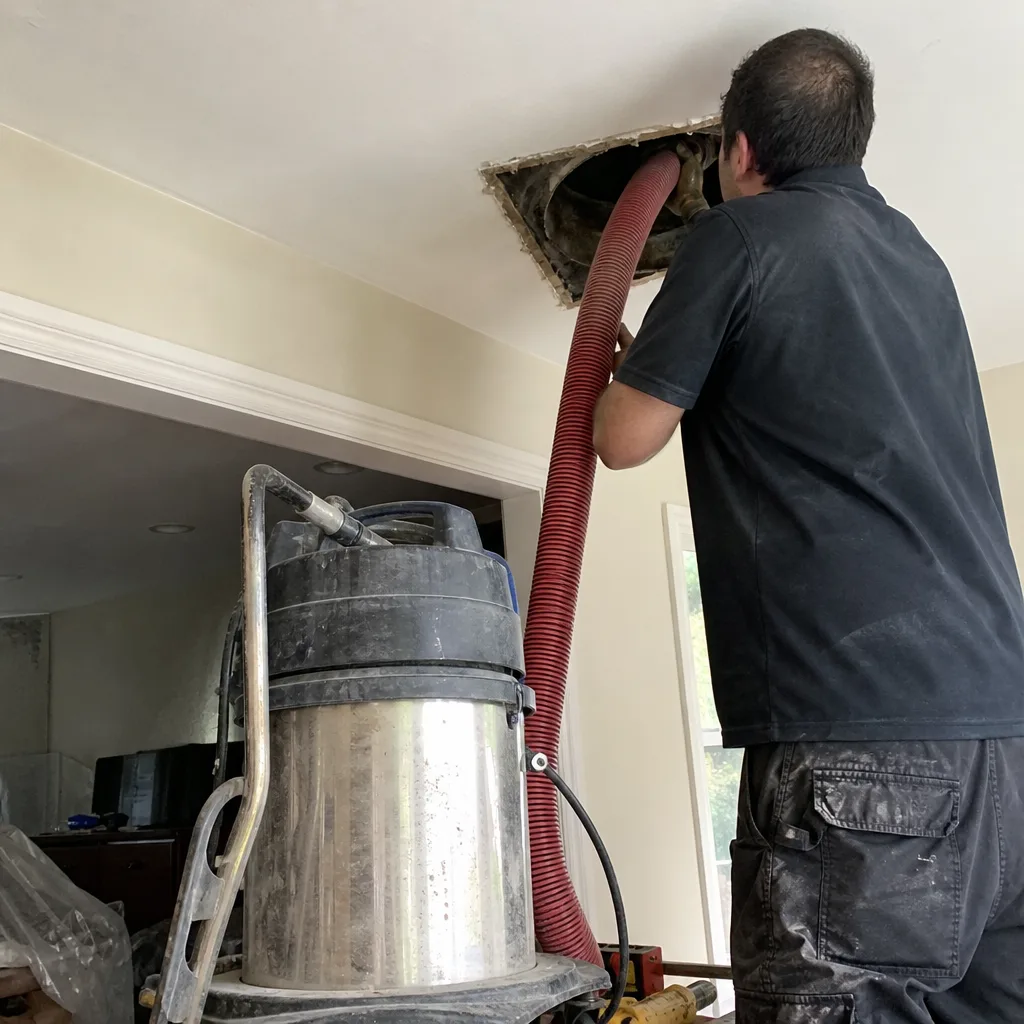 Before
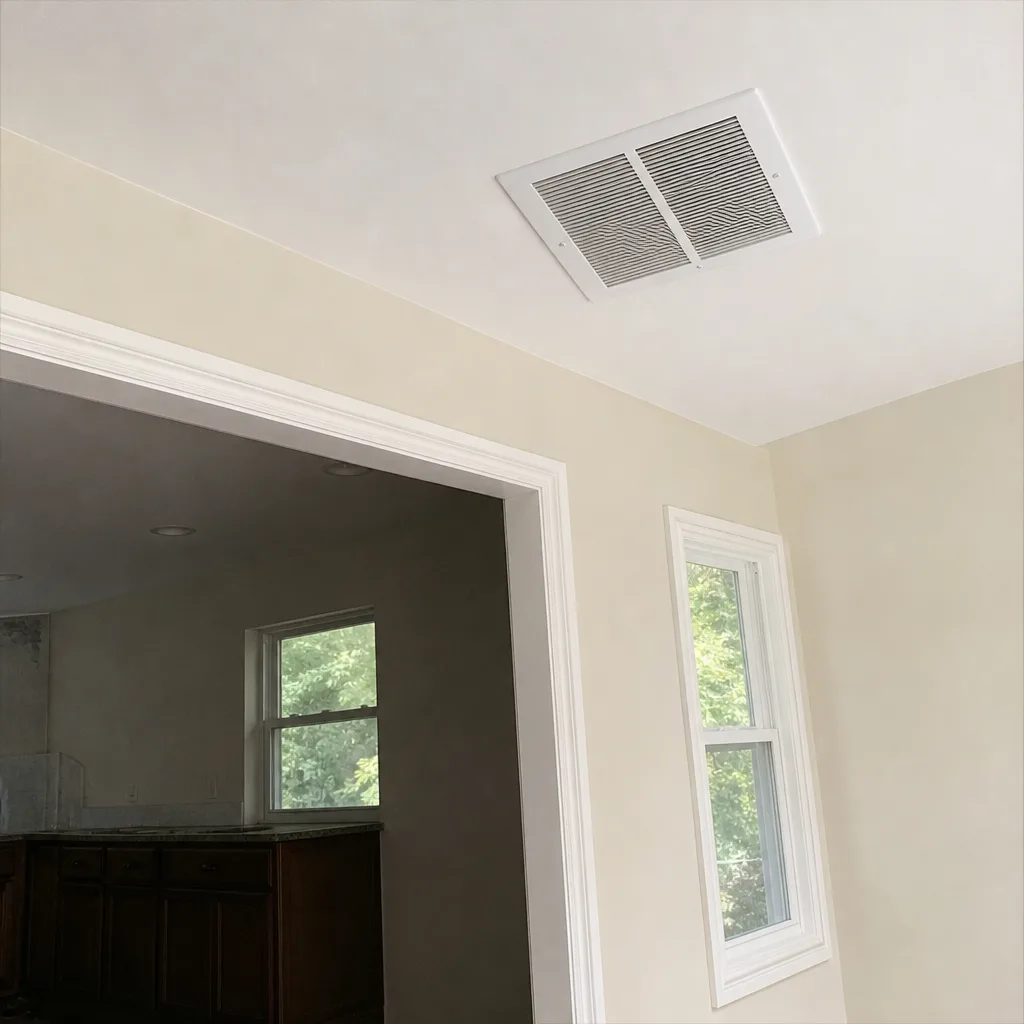 After
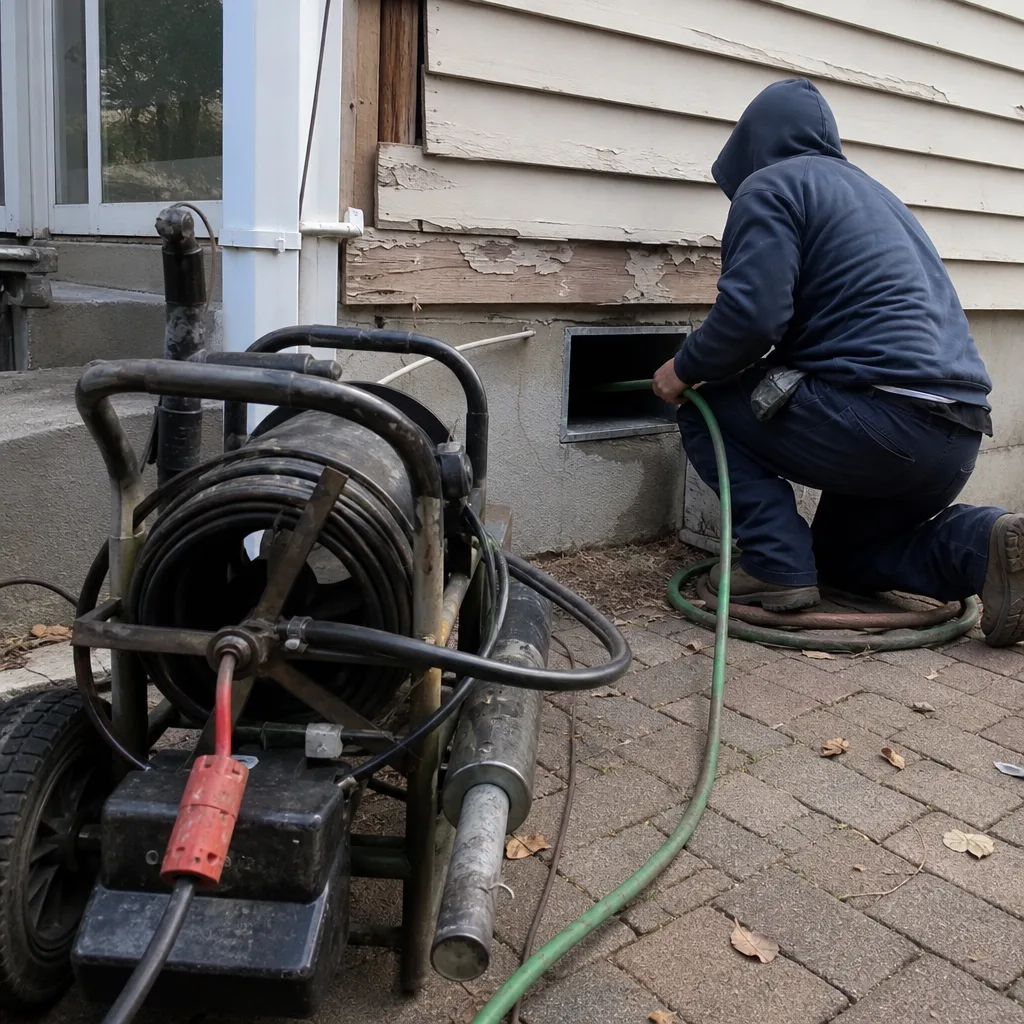 Before
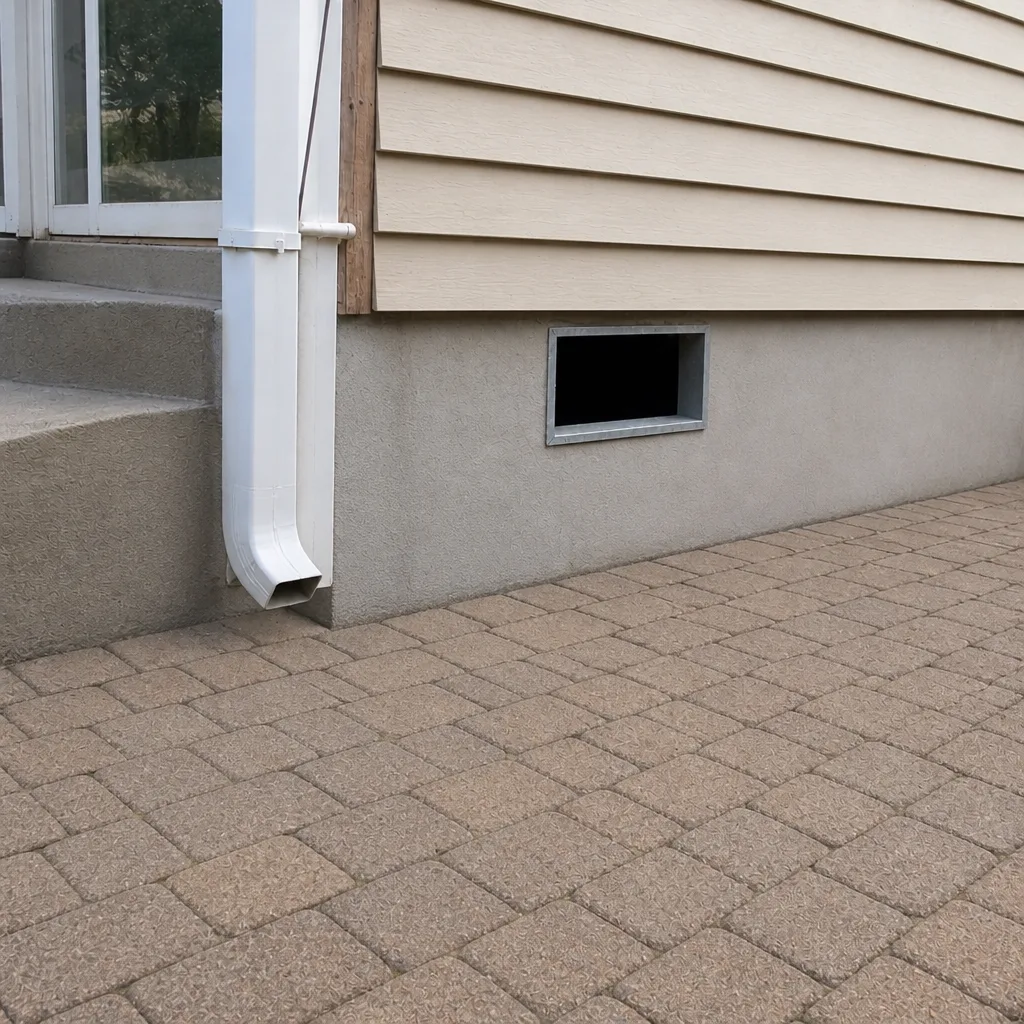 After
 Before
 After
When to Call a Professional
Some duct issues are seasonal and self-managed; some need a professional. Call for a professional visit when you notice musty or earthy odor at the registers, visible dust accumulation inside the ductwork or at the supply boots, airflow that has dropped noticeably since the last season, condensation on duct surfaces, allergy symptoms that worsen indoors, or a filter that loads far faster than it should. Call sooner rather than later if you’ve recently moved into a Woodside home and don’t know the duct history, or if the system has never been cleaned. Air Duct Cleaning Woodside offers free estimates in Woodside; call (877) 792-6795. We answer 24/7. Fast dispatch from 7am to 7pm, Sunday through Friday, and we’re closed on Saturday.
Frequently Asked Questions
Most Woodside homes benefit from a full professional cleaning every few years, with seasonal inspection and adjustment in between, and homes near the BQE and Long Island Expressway interchange may need it somewhat more often because the particulate load is heavier. The right interval depends on your filtering, your system, and what the seasonal log shows. Call (877) 792-6795 for an exact quote – estimates are free.
Spring is when microbial growth from the low-airflow heating months is easiest to find and correct, before summer humidity arrives. The evaporator coil and drain pan are the first places to check. If you find growth in spring while the system is dry, addressing it is simpler than correcting it after the AC has been running for a month. Call (877) 792-6795 to book a spring inspection.
Yes, because each season stresses a Woodside duct system differently: spring pollen and coil growth, summer humidity and mold risk, fall redistribution of settled debris, and winter pressure imbalance and duct wear. A single annual cleaning doesn’t match that pattern. The seasonal log makes the routine practical, and a professional visit at the start of heating or cooling season addresses what the log reveals. Call (877) 792-6795 for a free estimate on a seasonal plan.
You can check the filter condition, airflow at the furthest register, and odor at the supply registers, and you should record all three in your seasonal log. Anything beyond that, especially the coil, plenum, or duct interior, requires proper equipment and containment to inspect and clean safely. Call (877) 792-6795 to have a professional look at what you can’t see.
Pricing depends on the size of the system, how much contamination is present, and which services are needed, and we set one flat price per system based on a written estimate agreed before work starts, so you know the number before we begin. There’s no per-vent pricing and no teaser figure. We take before-and-after photos of your own ducts so you can see the result. Call (877) 792-6795 for a free estimate.
Low quotes often reflect consumer-grade equipment, no containment, and a quick pass that disturbs debris without capturing it, which can leave the system worse than it started. Professional cleaning uses Rotobrush and Nikro equipment with Abatement Technologies containment to capture what’s dislodged, and it covers the coil, plenum, and sealing checks alongside the ducts. Call (877) 792-6795 for a quote that reflects what the work actually involves.
The Bottom Line
Woodside duct systems face four distinct seasonal pressures, and the whole point of a seasonal routine is to match the response to the season. Inspect the coil in spring before humidity arrives. Control moisture and airflow through summer. Do the pre-heating protocol in fall so a season’s worth of settled debris doesn’t get redistributed on the first cold morning. Watch airflow and pressure through winter to catch duct wear early. Keep a simple log so every professional visit starts with context instead of blind, and schedule full cleaning at the spring or fall transition when the system is between heavy demand. Call (877) 792-6795 for a free estimate. We answer 24/7. Fast dispatch from 7am to 7pm, Sunday through Friday.
Written by the team at Air Duct Cleaning Woodside.