
Last updated November 22, 2026
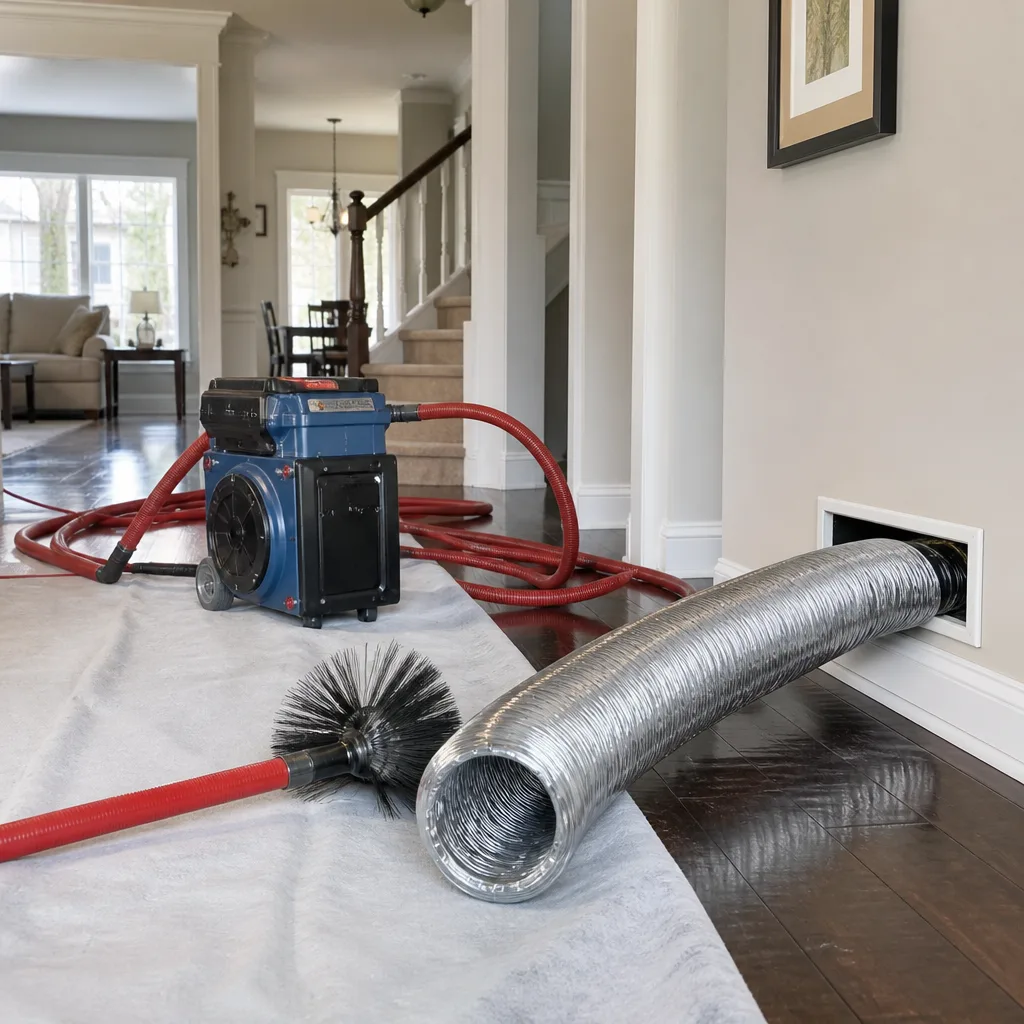 Whole-home duct cleaning
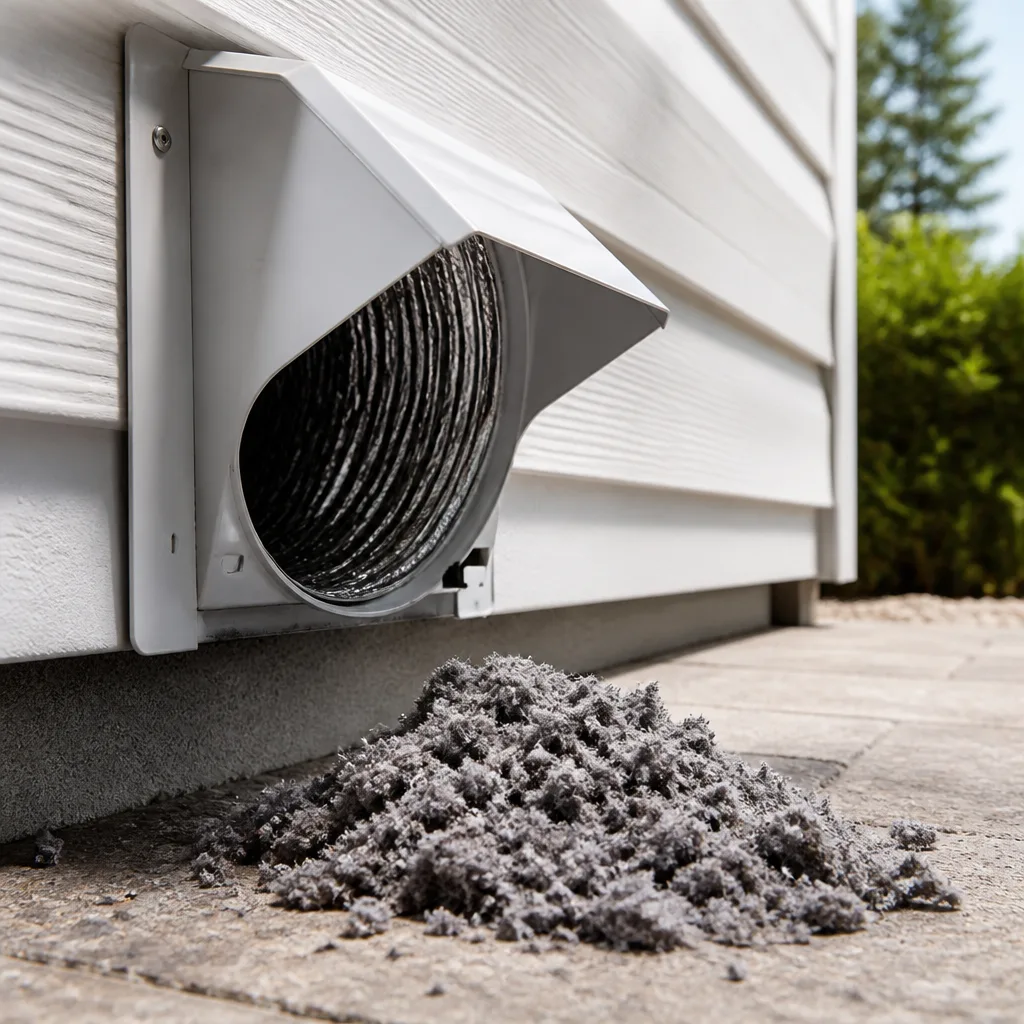 Dryer vent cleaning
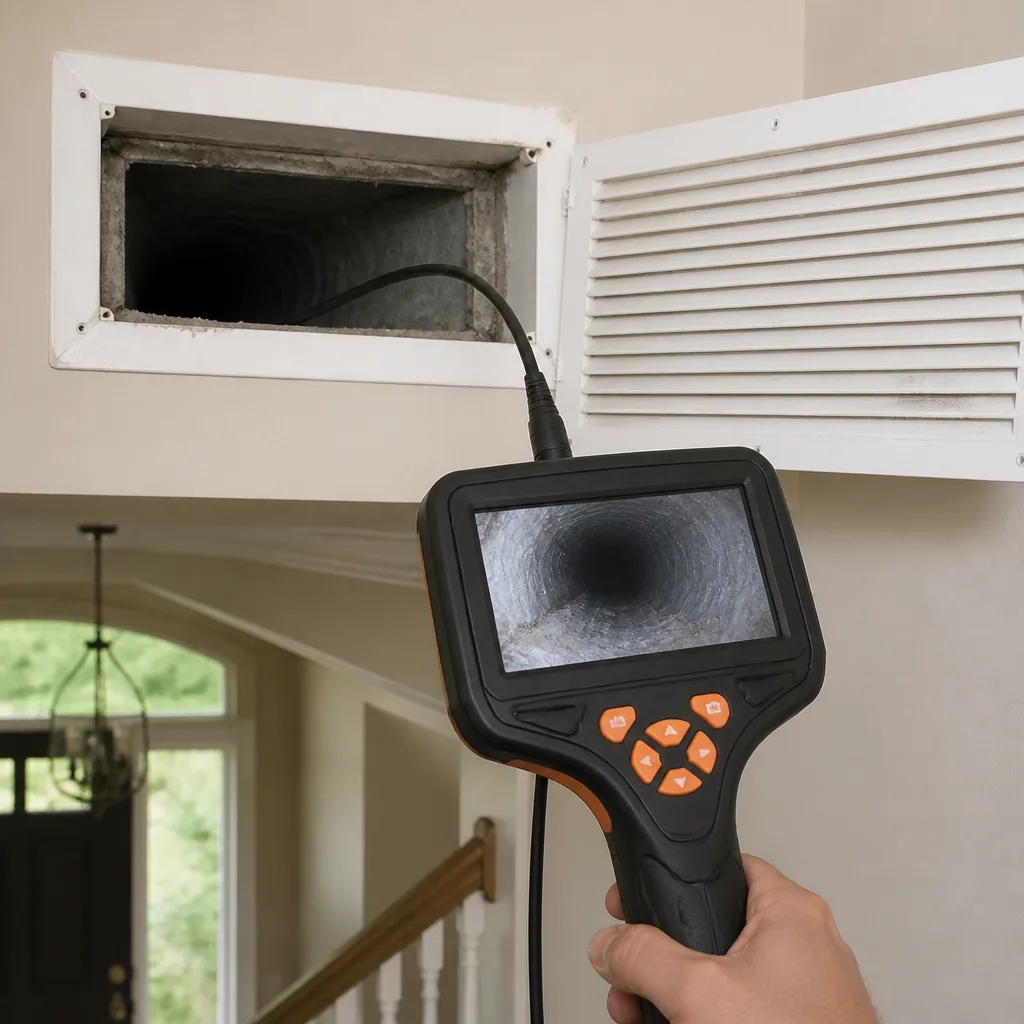 Camera inspection
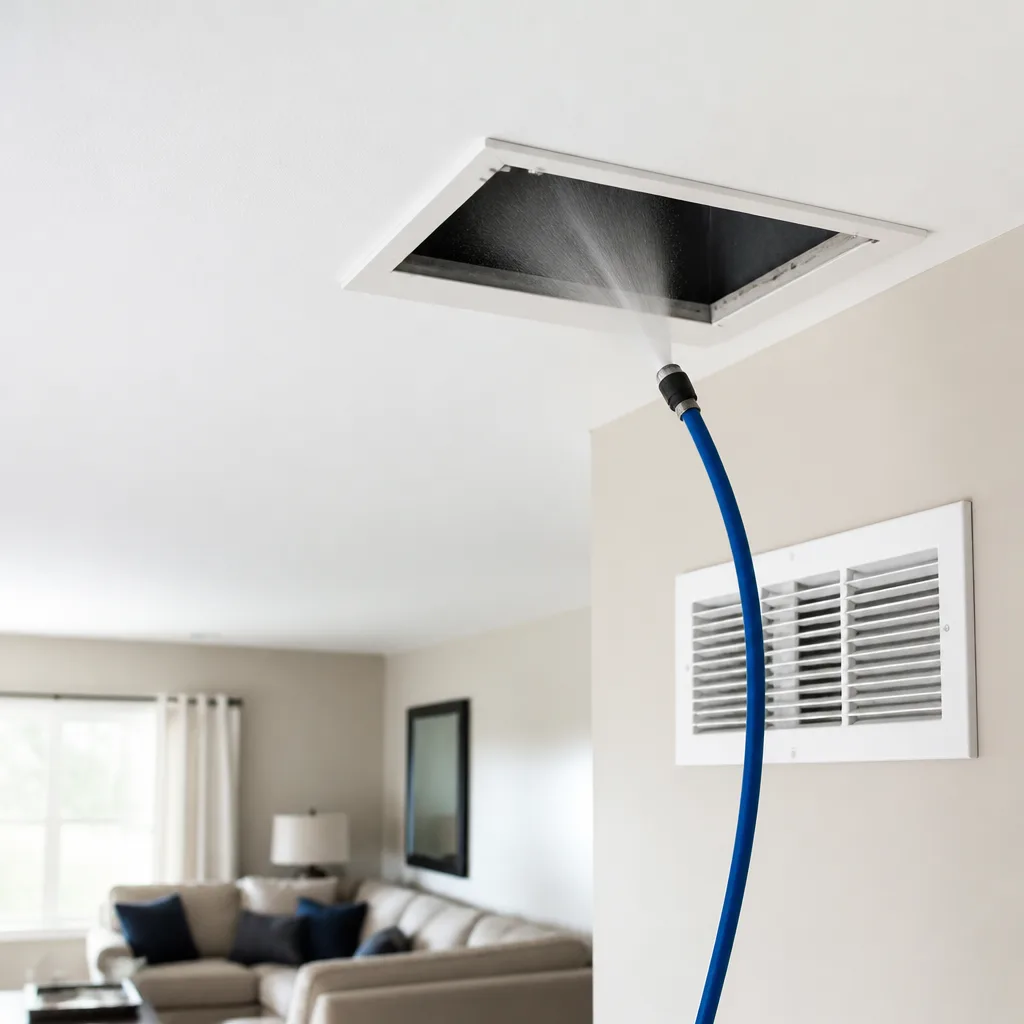 Sanitizing & deodorizing
Whole-system duct and dryer vent check with before-and-after photos - you see exactly what came out of your vents
That "$99 whole-house special" is a bait ad - the real number appears once they are in your hallway, or the "clean" is a shop-vac at the register. We photograph the inside of your ducts before and after instead.
Air Duct Cleaning Permits, Codes & Inspections in Woodside, NY: What You Need to Know
If a contractor tells you that air duct cleaning never requires a permit, they’re technically right – and that’s exactly where the confusion starts. The cleaning itself is maintenance. But the work that often gets bundled into a duct cleaning visit – sealing joints, replacing flex duct, installing duct liner, or handling mold found inside the system – can cross into territory that New York City regulates as an alteration. That distinction matters in Woodside, where a large share of the housing stock is older multifamily and attached brick buildings with HVAC systems that have been modified several times over. In this guide, we’ll walk through what the NYC Building Code and the Department of Buildings actually govern, where NYC DEP mold rules come in, how Local Law 97 and the energy code touch ductwork, and what paperwork you should expect whether or not a permit is involved.
Quick Answer
Air duct cleaning in Woodside, NY does not require a permit under the NYC Building Code because it’s classified as maintenance, not an alteration. However, duct repair that changes the system’s configuration, liner installation, and any mold remediation work can require DOB filing, licensed trades, and NYC DEP-compliant containment and documentation – so the scope of work, not the service name, is what determines whether inspections and permits apply.
Styles & brands we work with
- Whole-home duct cleaning
- Dryer vent cleaning
- Camera inspection
- Sanitizing & deodorizing
Table of Contents
- Cleaning vs. Alteration: What the NYC Building Code Actually Distinguishes
- When Does Duct Work Require NYC DOB Filing?
- Mold Discovered During a Cleaning: NYC DEP Rules and Licensing
- Local Law 97 and the NYC Energy Code: What They Mean for Ductwork
- What Documentation a Legitimate Contractor Should Produce
- How to Verify Ancillary Work Is Being Done Under Proper Licensure
- What an Inspection Actually Looks Like (and What It Doesn’t Cover)
- Why Woodside’s Housing Stock Makes This Topic Different
Cleaning vs. Alteration: What the NYC Building Code Actually Distinguishes
The NYC Building Code draws a sharp line between maintenance and alteration, and that line is the whole topic in one sentence. Maintenance restores a system to the condition it was already in. An alteration changes its configuration, capacity, or materials. Duct cleaning is maintenance. Re-routing a trunk line, adding a branch, replacing rigid duct with flex, or installing a liner are alterations, and alterations trigger permit and inspection requirements that maintenance never does.
Here’s the practical distinction as we explain it to homeowners in Woodside:
- Maintenance (no permit): Source removal of dust and debris from within existing ductwork, sanitizing the interior surfaces, cleaning registers and grilles without moving them, and cleaning the air handler and coil.
- Alteration (permit territory): Cutting in new supply or return branches, replacing sections of duct with a different material or size, installing internal duct liner, relocating grilles, or changing the system’s layout.
- Remediation (separate rules entirely): Removing mold growth from duct interiors crosses into a regulatory category of its own, which we cover below.
Many Woodside homes sit in attached two- and three-family brick buildings where a small change to one unit’s ductwork can affect a shared chase or penetrate a fire-rated assembly. That’s where things get serious: penetrations of fire separations are treated as alteration work, and doing them without a filing can create a real liability at resale and, more importantly, a real safety issue during a fire. A contractor who cleans ducts competently and stops there is doing exactly what the code allows. One who starts sealing every joint and replacing flex runs without telling you the scope changed is not.
If you’re booking air duct cleaning, it’s fair to ask the technician up front: is anything here beyond maintenance? A straightforward answer is a good sign. A vague one isn’t.
When Does Duct Work Require NYC DOB Filing?
Duct work requires NYC DOB filing when it qualifies as an alteration to the mechanical system, not when it’s cleaning or repair in kind. If your contractor is swapping out damaged sections of duct with the same material and size, that usually falls under repair and doesn’t need a filing. If they’re reconfiguring the system – adding runs, changing duct size to fix a pressure problem, or installing liner – the work is an alteration and should be filed.
For multifamily buildings in Woodside, there’s a second layer. Work on the building’s shared mechanical systems may also need to be coordinated with the building owner, managing agent, and any alteration agreement the building has in place, even where a DOB filing isn’t strictly required. Co-op and condo alteration agreements often reference the Building Code directly, and they can be stricter than the code.
Here’s the process we recommend a Woodside homeowner follow when a contractor proposes anything beyond cleaning:
- Ask the contractor in writing whether the scope qualifies as maintenance, repair, or alteration.
- If they say alteration, ask for the DOB filing number before work begins.
- Confirm that the tradesperson performing the alteration holds the appropriate NYC license for that scope.
- Request the permit placard and the name of the licensed professional responsible for the filing.
- Keep a copy of the final sign-off with your home records for any future sale or refinance.
If the answer comes back “we don’t need a permit, it’s just ductwork,” that’s not automatically wrong – but the contractor should be able to explain why. If they can’t distinguish between the two categories, they may not know the difference, which is a bigger problem than a missing permit.
Mold Discovered During a Cleaning: NYC DEP Rules and Licensing
Mold found during a duct cleaning requires a separate, licensed remediation scope under NYC DEP rules, with containment protocols and documentation that a routine cleaning service doesn’t include. This is one of the most commonly glossed-over points in the trade, and it matters for Woodside homeowners because older brick buildings with history of water intrusion tend to have microbial growth inside returns and air handlers that a general cleaning won’t properly address.
When microbial growth is confirmed, the work usually shifts from “cleaning” to “remediation” and picks up several requirements:
- Written assessment describing the affected area and the scope of removal.
- Containment using negative air pressure so dislodged spores don’t migrate into occupied rooms.
- HEPA filtration equipment running for the duration of the work.
- Post-remediation verification and documentation before the system is put back into service.
This is where professional-grade equipment stops being a marketing phrase and starts being a regulatory requirement. Our technicians use Abatement Technologies negative-air and HEPA containment equipment on jobs where containment matters – the same category of tools used in remediation work – because consumer vacuums and box-store brush kits can’t achieve the pressure differentials that keep contaminants out of the room you’re standing in. Rotobrush and Nikro duct cleaning systems handle the source removal inside the duct. Containment handles the air around it.
If a contractor tells you they found mold but will just “clean it out and fog the duct,” ask for the written documentation above. Without it, you have no record of what was found, how it was contained, or whether the system is safe to run.
Local Law 97 and the NYC Energy Code: What They Mean for Ductwork
Local Law 97 and the NYC Energy Code affect ductwork in multifamily buildings when it’s part of a covered building’s mechanical scope, and the obligations land on the building owner – not on an individual tenant cleaning their own unit. That distinction matters because Woodside has a high proportion of two- and three-family buildings alongside larger multifamily properties, and the rules track the building’s classification, not the request of whoever calls for service.
For building owners, ductwork comes up in a few places:
- Leakage and efficiency: Duct leakage in unconditioned spaces wastes energy, and upgrades that tighten the system can be part of a covered building’s compliance pathway.
- Insulation and liner: Adding duct insulation or internal liner is generally an alteration, not maintenance, and ties back to the energy code when it changes a system’s thermal performance.
- Ventilation requirements: Changes to a shared mechanical system can trigger ventilation and air quality requirements that cleaning alone does not.
For individual unit owners and renters, none of this creates a personal compliance obligation. What it does mean is that duct cleaning requested by an owner of a covered building may come with additional documentation as part of a broader mechanical upgrade. If you’re a property manager in Woodside handling multiple units, ask your contractor whether their scope interacts with the building’s energy compliance pathway. A specialist who understands the difference between a maintenance cleaning and a system alteration will be able to answer that plainly.
What Documentation a Legitimate Contractor Should Produce
Legitimate duct cleaning should produce written documentation regardless of permit status – before-and-after photos, equipment records, and written findings about the system’s condition. This is true whether the job is a routine cleaning or part of an alteration scope, and it’s the fastest way for a Woodside homeowner to confirm the work actually happened.
The documentation we’d expect on any job, and what we produce on ours:
- Before-and-after photographs of the ducts, registers, and air handler. Photographing the interior of the duct before and after cleaning is standard practice for a professional job and it’s what we hand the customer on every visit.
- Written findings describing what was found: dust load, debris, any microbial growth, and any damaged or disconnected sections.
- Equipment list naming the systems used. If a contractor can’t tell you the brand of their machine, ask why – Rotobrush and Nikro are familiar names in this trade, and a specialist will know their tools without hesitation.
- Scope of work agreement stating that the price is set per system, agreed in writing before the work begins.
- Notes on any ancillary work recommended, separated clearly from the cleaning itself so you can decide on it without pressure.
The point of the documentation is not bureaucracy. It’s that duct cleaning is a service you can’t see happening once the vacuum is on. Photos and written findings are the record. If you’d like to see how this looks in practice, call (877) 792-6795 and ask us what the paperwork includes before you book.
How to Verify Ancillary Work Is Being Done Under Proper Licensure
To verify that any ancillary work – duct repair, insulation, liner installation – is being done under proper licensure, ask three things before work starts: the specific license held by the person doing that work, the permit or filing number where applicable, and the certificate of insurance naming the property. Verbal assurances don’t hold up.
Here’s the checklist we recommend, written to be used on any contractor in Woodside:
- Name the scope in writing. Ask the contractor to state, in the estimate, exactly what work is being done and whether any part of it is an alteration. This forces the conversation.
- Identify the licensed professional for the alteration. If any part of the job is alteration work, find out who holds the required NYC license for that scope and whether they’ll be on site or supervising remotely.
- Request the DOB filing number. If the contractor says a filing was made, ask for the number. If they say none was needed, ask them to state that reason in writing.
- Ask for the certificate of insurance. The certificate should name the property and show general liability coverage. If it can’t be produced, stop.
- Confirm the licensed professional’s scope. A general handyman license does not cover duct repair involving mechanical system alteration. If the contractor is broad about what their license covers, ask them to be specific.
We connect Woodside homeowners with independent local professionals who perform the work, and the local pro is licensed and insured as their state requires. Part of our role is making sure the scope is clear before any tools come off the truck. If someone working in your home suggests additional work mid-job and can’t answer the questions above, you’re within your rights to pause and ask for the paperwork.
What an Inspection Actually Looks Like (and What It Doesn’t Cover)
An inspection after duct cleaning is not a required step under the Building Code in most residential cases, but it’s a valuable confirmation of the work and a useful record. What an inspection does cover: the condition of the duct interiors, confirmation that debris and contamination have been removed, and a written report of any remaining issues. What it doesn’t cover: permit compliance for alteration work, which is a separate enforcement process handled by the DOB.
For Woodside homeowners, the practical distinction is that the cleaning inspection is your record and the DOB process is the city’s record. If alteration work was performed without a filing and an issue arises later – during a property sale, an insurance claim, or a building inspection – the cleaning report won’t help you and the missing film will. The documentation from a cleaning is what proves the service happened. The permit is what proves the system change was legitimate.
If you’re buying or selling a Woodside home and want to establish a baseline for the HVAC system, a duct cleaning with written findings is a reasonable starting point. It’s one of the few services that gives a buyer a documented look inside the ductwork, and in older buildings that snapshot is often genuinely useful. Our team can walk you through what the report will include and what it won’t. If you also want the system’s moving parts addressed, we handle HVAC cleaning alongside the duct work.
Why Woodside’s Housing Stock Makes This Topic Different
Woodside’s housing stock makes the permit question more pressing than it is in many neighborhoods because a large share of the homes are older attached brick buildings with HVAC systems that have been modified multiple times over decades. Ductwork in a 1920s building that’s been added to, sealed, and re-routed in three different eras is rarely what the permit records show. When a contractor opens a duct in Woodside and finds flex duct spliced into rigid with foil tape, that’s a repair the next owner will want documented.
There’s a climate side to this too. New York’s humid summers and cold winters push a lot of condensation through HVAC systems in older buildings, and duct liner that has absorbed moisture over time is one of the more common findings we come across. Liner replacement is alteration work, not cleaning. That distinction is worth understanding before you accept a proposal. In Woodside, the historic housing stock and the multifamily density together mean the boundary between maintenance and alteration is crossed more often than the service name suggests.
If your building has had recent water intrusion – a common issue in older attached brick – the duct inspection is worth doing before you assume a cleaning will be the whole scope. Our team can assess the system and tell you what it does and doesn’t need. We also handle dryer vent cleaning as a separate specialty, since that’s a fire-safety service that shouldn’t be bundled with duct cleaning and priced as an afterthought.
Common Mistakes to Avoid
- Assuming “no permit needed” covers the whole scope. Cleaning doesn’t require one; altering the system usually does. Ask the contractor to state the scope in writing so the distinction is on paper.
- Accepting liner replacement as “part of cleaning.” Liner installation is alteration work in most cases. A proposal that quietly adds it to a cleaning line item is a red flag.
- Letting mold remediation happen without containment. Fogging a duct with mold growth and calling it done can push spores into the room. Ask for negative air and HEPA equipment, in writing.
- Not asking for the certificate of insurance. Any contractor working in your home in Woodside should produce a certificate naming the property. If they hesitate, that’s your answer.
- Skipping the before-and-after photos. Duct cleaning is a service you can’t see. If photos aren’t part of the job, the job is harder to verify after the fact.
- Assuming a building alteration agreement covers the code. Co-op and condo alteration agreements can be stricter than the Building Code, but they don’t replace a DOB filing where one is required.
- Confusing the cleaning report with a permit. A written cleaning report documents the service. A permit documents the system change. They serve different purposes and one doesn’t substitute for the other.
See the difference
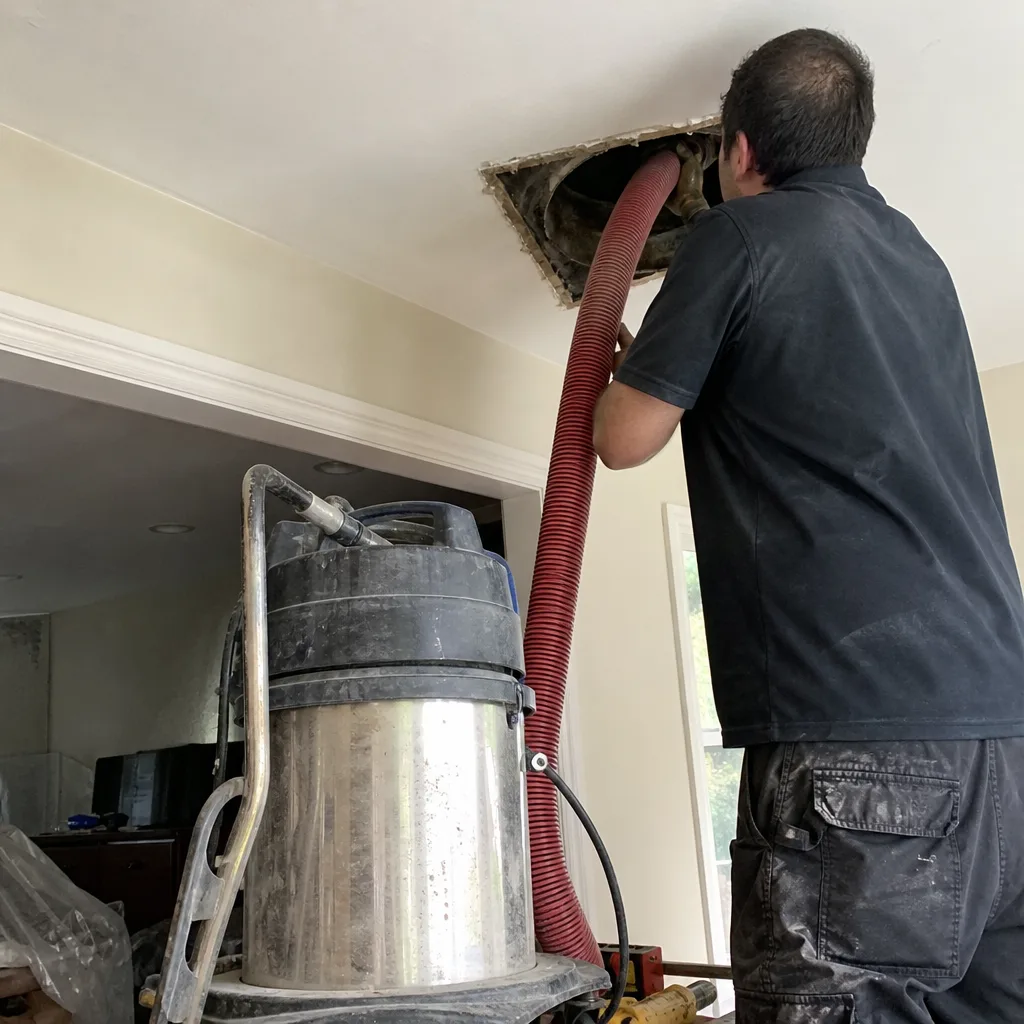 Before
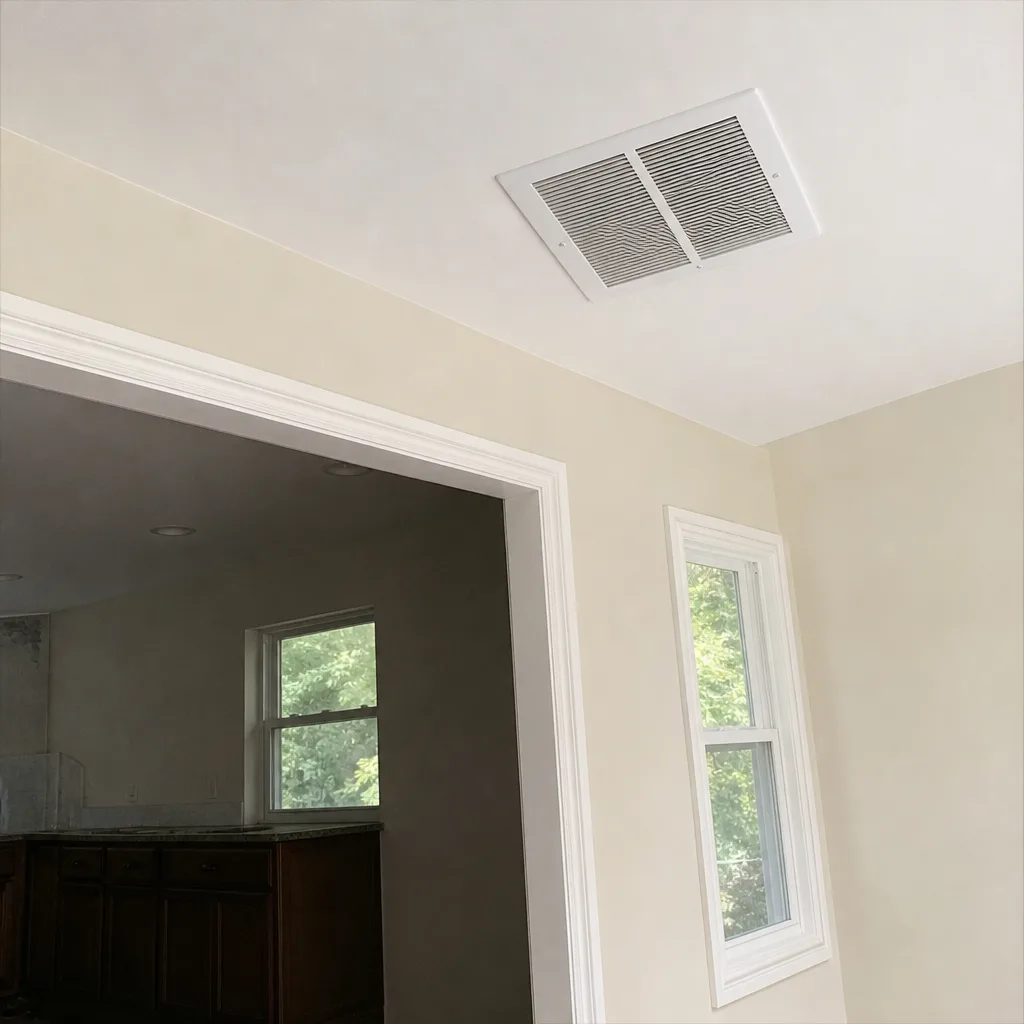 After
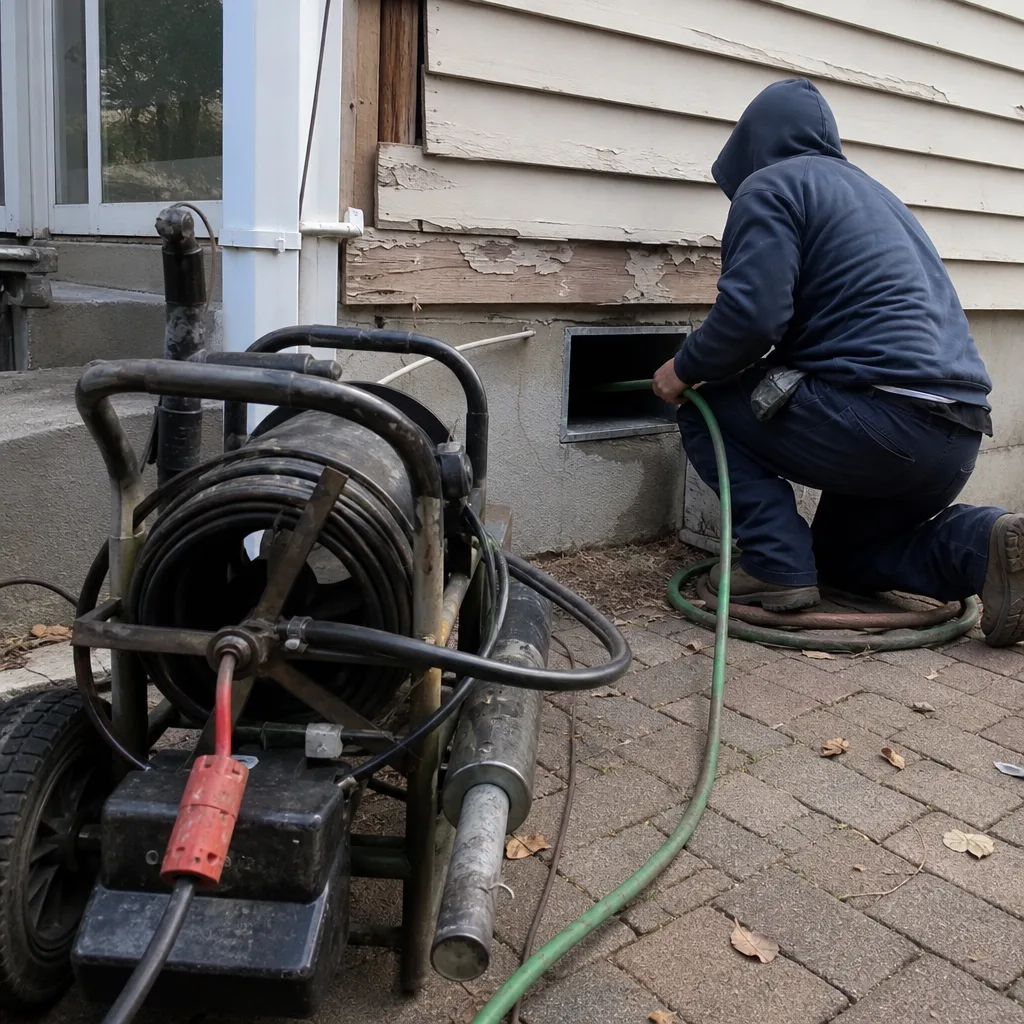 Before
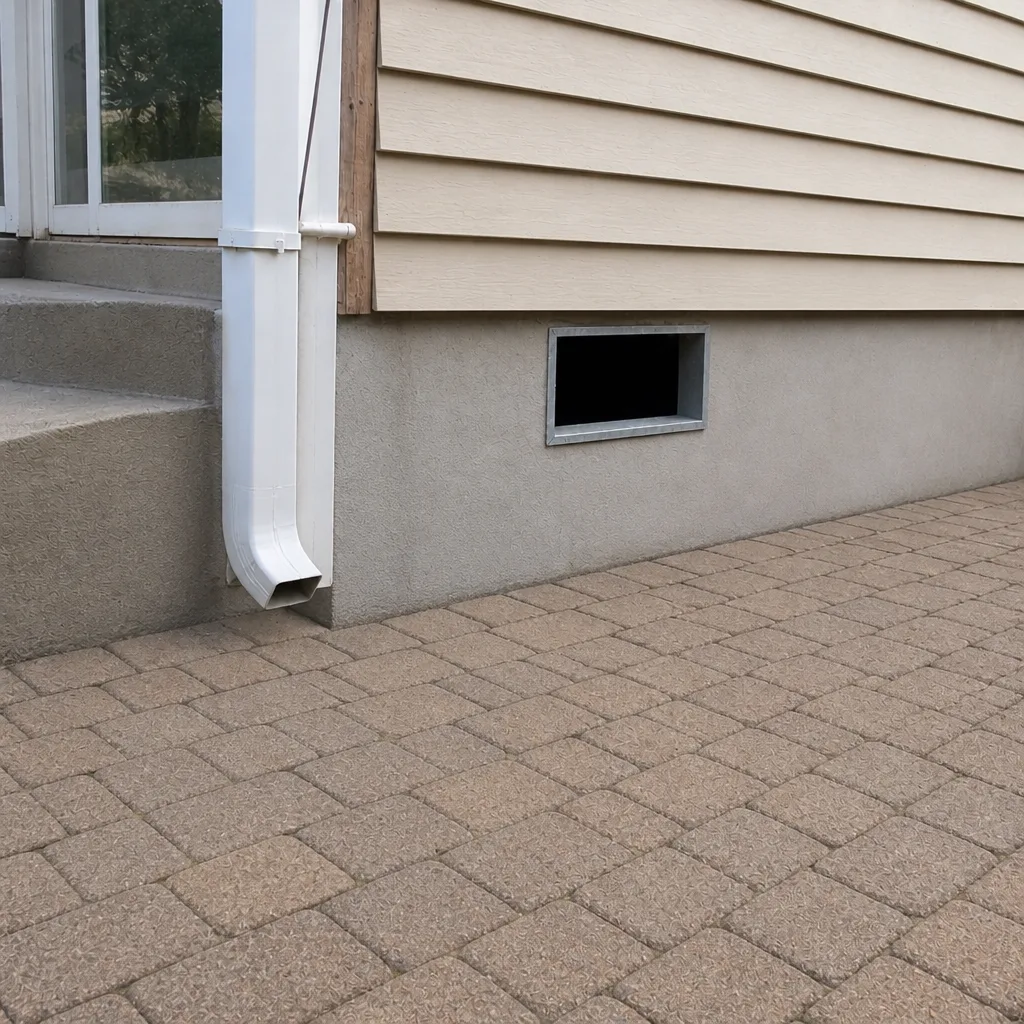 After
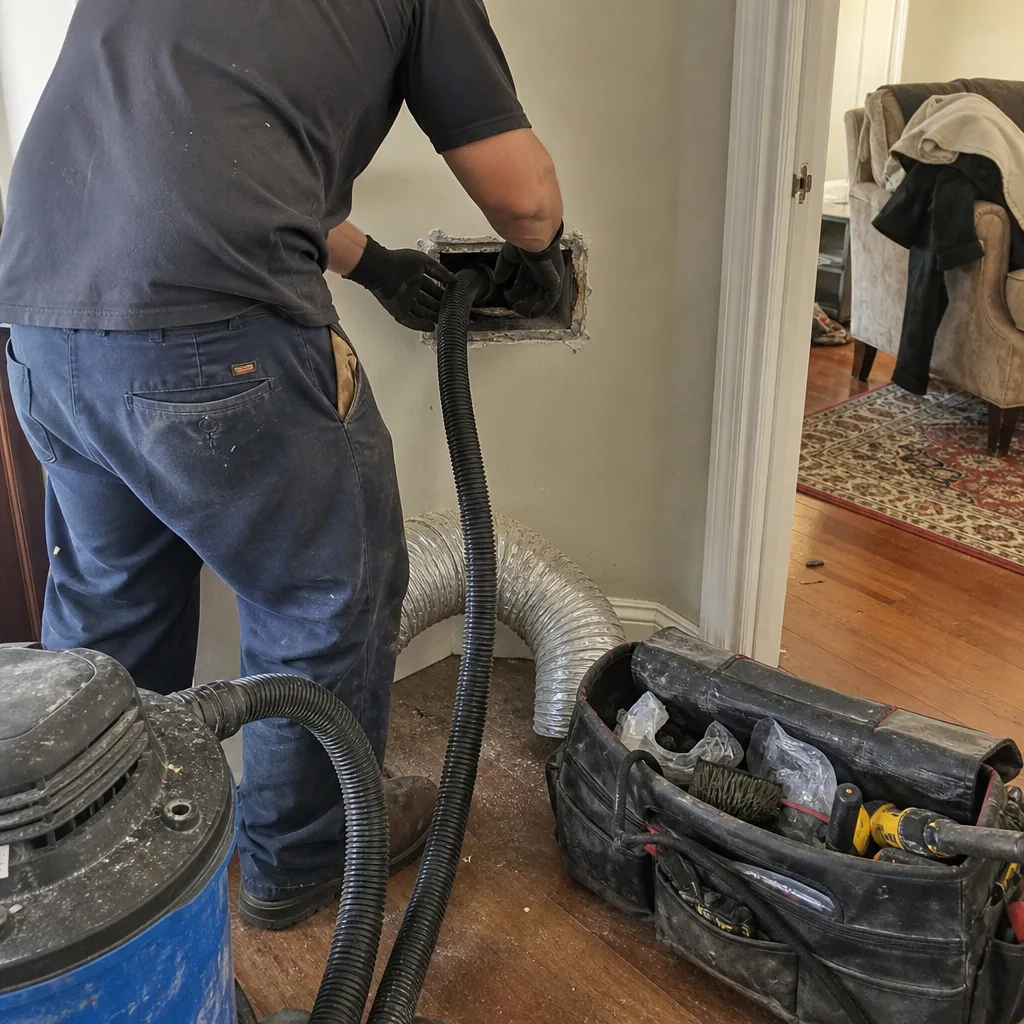 Before
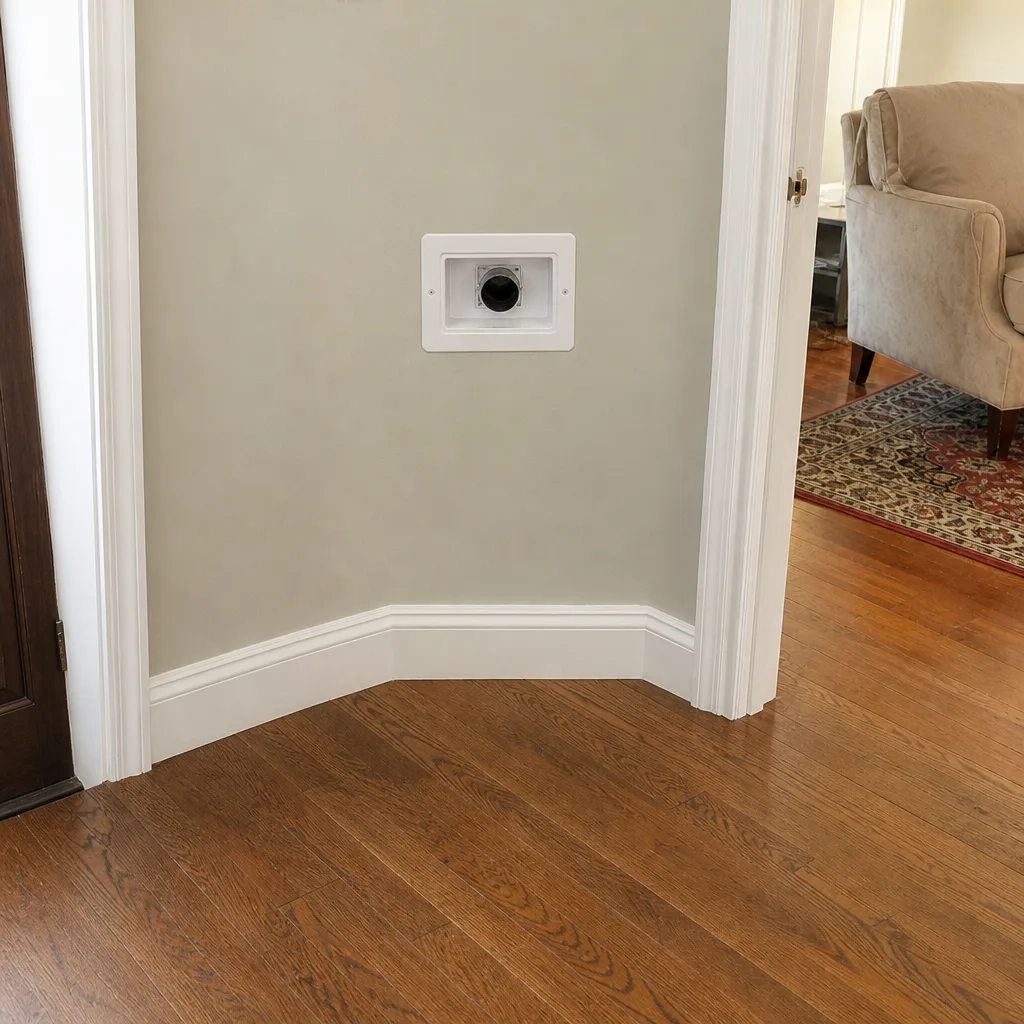 After
When to Call a Professional
Call a professional when you’re facing any of these in a Woodside home: a duct cleaning proposal that includes repair, liner, or additional duct runs beyond the original scope; visible mold growth on registers, grilles, or the interior of the air handler; musty odors that return after other cleaning has been done; a system that has never been cleaned since you moved in; or any alteration work already done without documentation. In each case, the first step is a written scope statement – not a price. A specialist can tell you what’s maintenance and what’s alteration, and that’s the information you need before agreeing to anything. Air Duct Cleaning Woodside offers free estimates in Woodside – call (877) 792-6795. We answer 24/7. Fast dispatch from 7am to 7pm, Sunday through Friday.
Frequently Asked Questions
No – standard air duct cleaning in Woodside doesn’t require a permit under the NYC Building Code because it’s classified as maintenance, not alteration. Duct sealing, liner installation, and any work that changes the system’s configuration are a different category and may require DOB filing. If a proposal includes anything beyond source removal and cleaning, ask the contractor to state whether it’s alteration work in writing before the job begins. Call (877) 792-6795 for a free scope review before you commit – estimates are free.
Cleaning restores the system to the condition it was already in; alteration changes its configuration, capacity, or materials. Removing dust from existing ductwork is cleaning. Adding branches, replacing rigid duct with flex, or installing liner is alteration. The distinction matters because alteration work generally triggers DOB filing and licensed trades, while cleaning does not. In Woodside’s older attached buildings, penetrations of fire-rated assemblies are a specific concern – those are always treated as alterations.
Mold found during a cleaning shifts the scope from cleaning to remediation, which under NYC DEP rules requires containment, HEPA filtration, written assessment, and post-remediation verification. Fogging a duct without containment doesn’t meet that standard. If a contractor finds microbial growth and proposes to “clean it out and sanitize,” ask for the written assessment and containment plan before work continues. Call (877) 792-6795 and we’ll walk you through what the documentation should include – estimates are free.
Local Law 97 and NYC’s energy code apply to building owners of covered properties, not to individual tenants or single-family homeowners. If you own or manage a multifamily building in Woodside, duct insulation, liner replacement, and system changes can interact with the building’s compliance pathway, which is worth raising with your contractor. If you rent or own a single unit, cleaning your ducts doesn’t create any personal compliance obligation. For questions about a specific scope, call (877) 792-6795.
Ask for before-and-after photos of the duct interiors, a written summary of findings, and an equipment list naming the systems used. Professional-grade equipment like Rotobrush or Nikro systems produces better results than consumer tools, and a specialist will know which brand they’re using without checking. The photos are the most important part: duct cleaning happens out of sight, and the photos are what confirm it happened. Call (877) 792-6795 to book an estimate and see the documentation upfront – estimates are free.
Ask for three things: the specific NYC license held by the person doing the repair, the DOB filing number if alteration work applies, and a certificate of insurance naming the property. If the contractor can’t produce them, pause and ask for them in writing. We connect Woodside homeowners with independent local professionals who perform the work, and the local pro is licensed and insured as their state requires. Any additional work they propose should come with documentation – if it doesn’t, ask before you agree. Call (877) 792-6795 for an estimate and a written scope – estimates are free.
The Bottom Line
The permit question in Woodside is really a scope question. Cleaning a duct system is maintenance and doesn’t require a permit. Repairing, reconfiguring, lining, or remediating a duct system is a different category with its own requirements, and the contractor’s job is to tell you plainly which one you’re getting. If they can’t, that’s the signal. Get a written scope, ask about the license behind any repair, keep the before-and-after photos, and confirm whether a filing exists before the work starts. That’s a reasonable standard for any contractor in Woodside, and it’s what separates a specialist from a coupon. From cleaning to sealing to sanitizing, we cover the full chain here, and we’re happy to walk you through the scope before you book: call (877) 792-6795. We answer 24/7. Fast dispatch from 7am to 7pm, Sunday through Friday. Your ducts. Your air. Done right.
Written by the team at Air Duct Cleaning Woodside.