
Last updated November 22, 2026
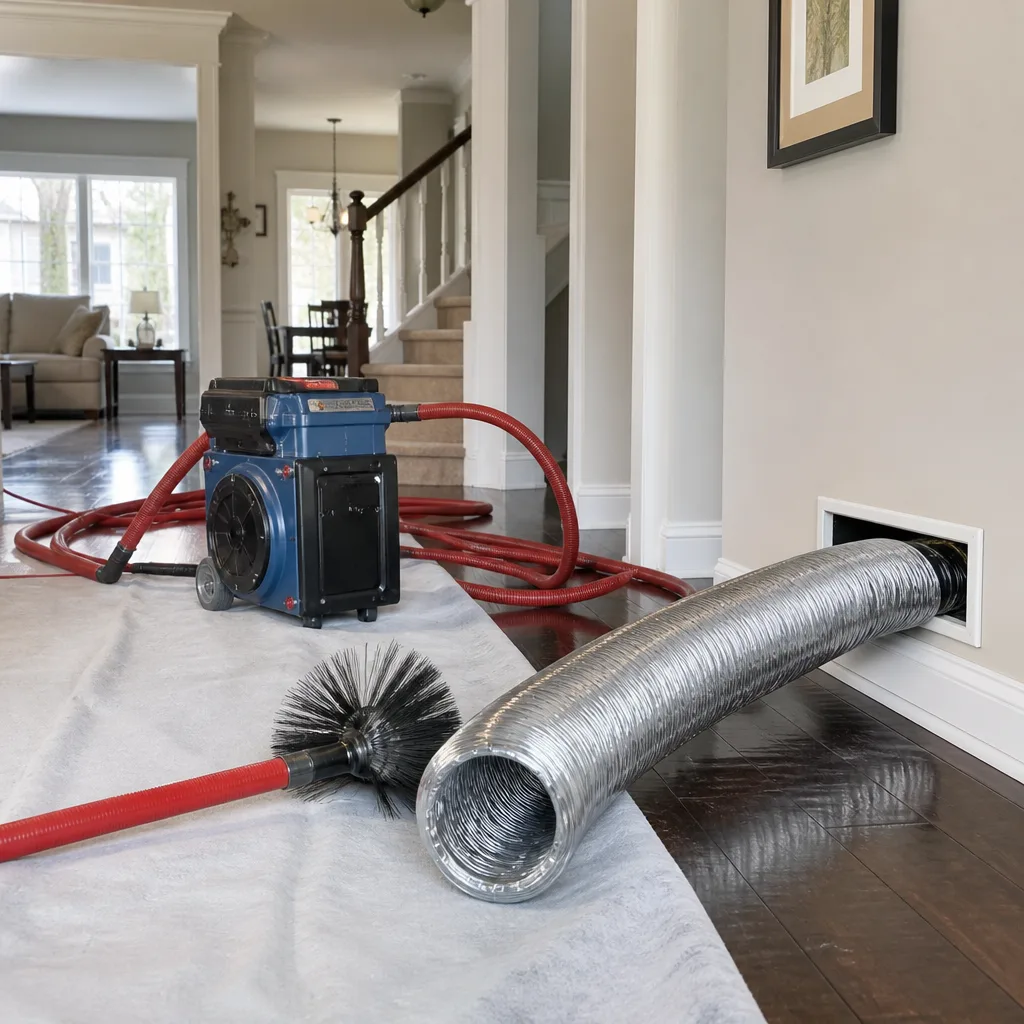 Whole-home duct cleaning
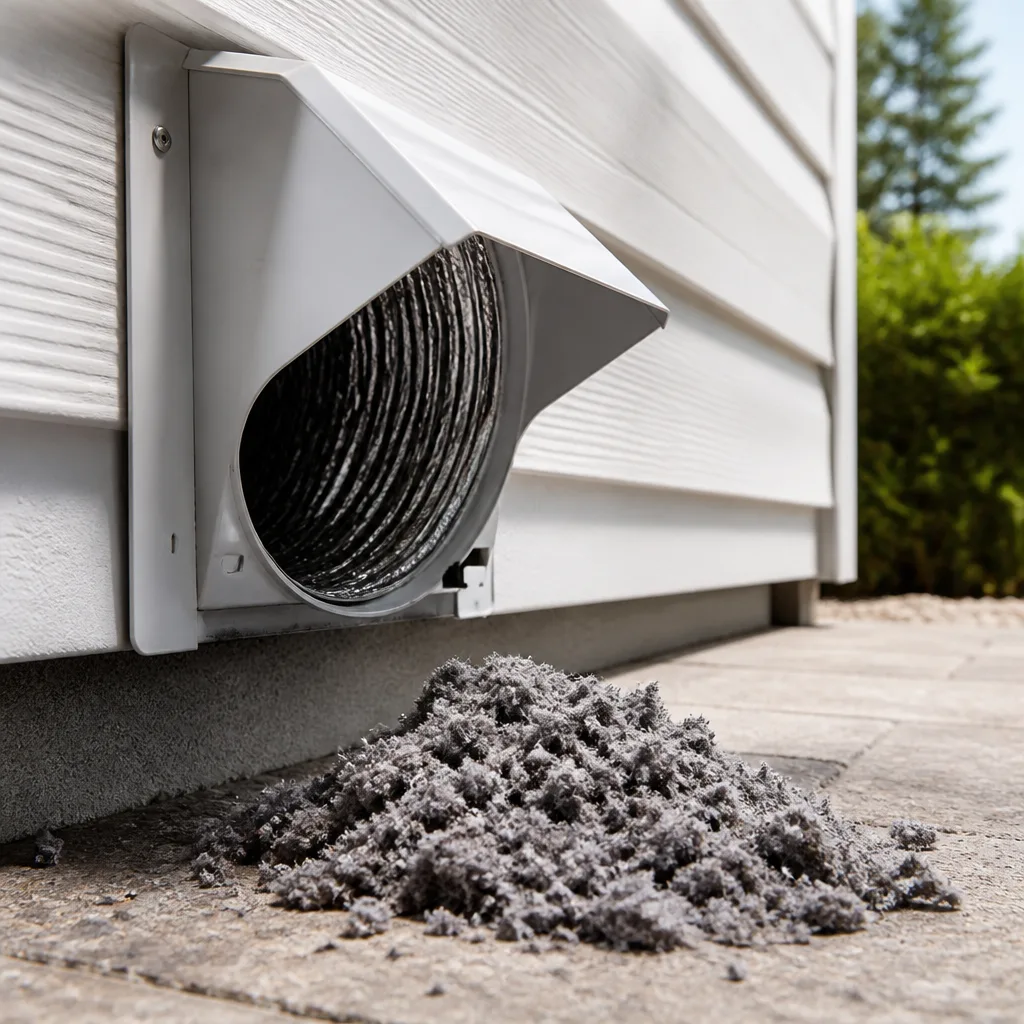 Dryer vent cleaning
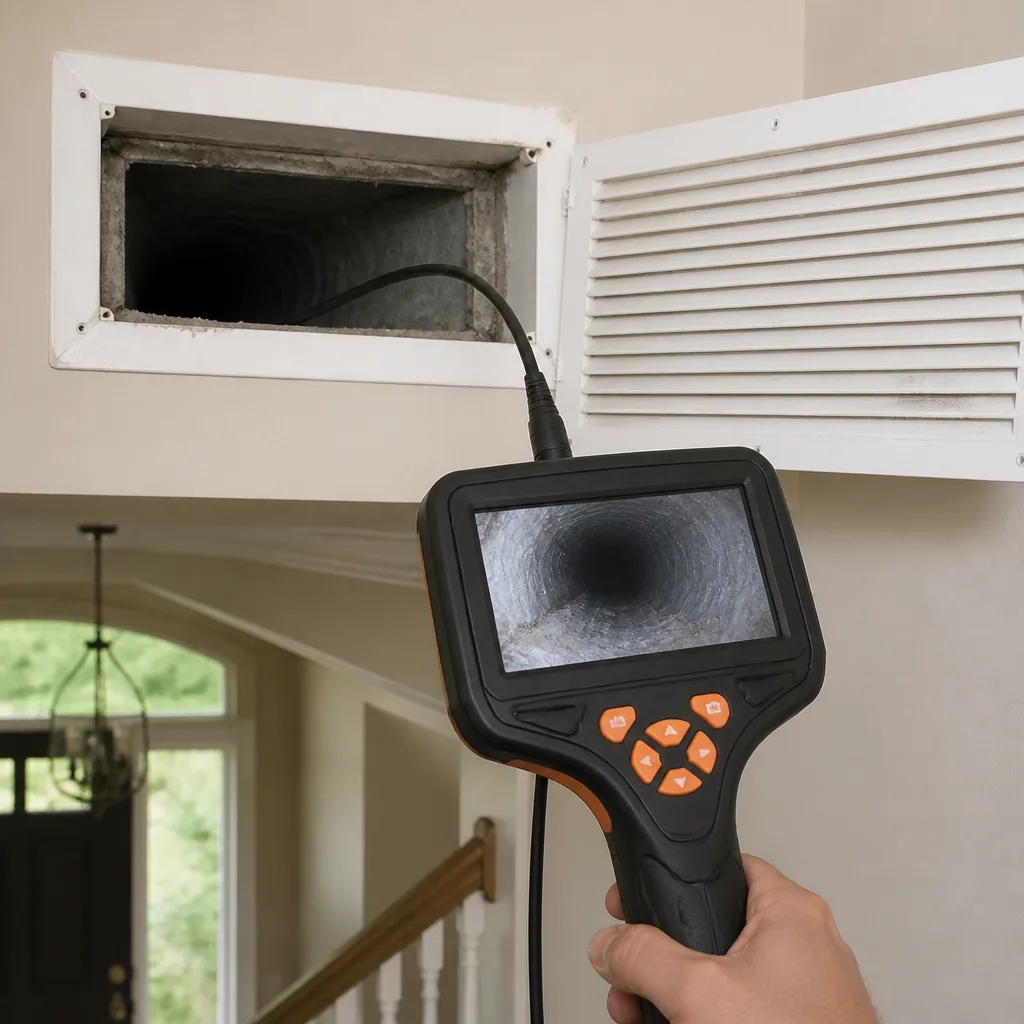 Camera inspection
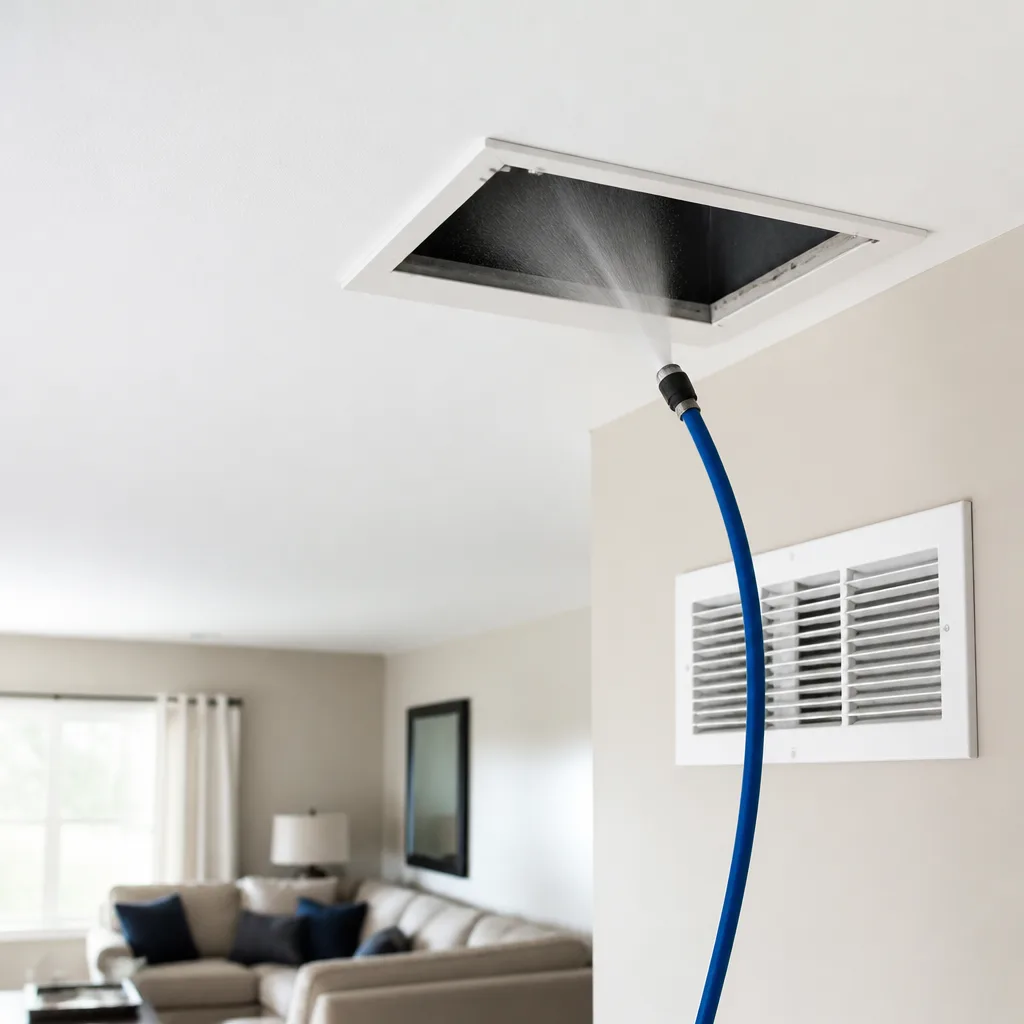 Sanitizing & deodorizing
Whole-system duct and dryer vent check with before-and-after photos - you see exactly what came out of your vents
That "$99 whole-house special" is a bait ad - the real number appears once they are in your hallway, or the "clean" is a shop-vac at the register. We photograph the inside of your ducts before and after instead.
How to Hire an Air Duct Cleaning Contractor in Woodside: A Step-by-Step Guide
Most homeowners start their search the same way: they look for the lowest price and assume the work is roughly the same from one contractor to the next. It isn’t. In Woodside and across Queens, “duct cleaning” is used to describe anything from a technician running a shop vacuum nozzle through a couple of visible registers to a full containment-based removal of settled debris from an entire system. Those are different jobs with different equipment, and only one of them does what you’re actually paying for. This guide walks you through how to tell them apart before you schedule, what a real scope of work looks like on paper, which questions expose a low-bid operator, and how to compare quotes once you understand they were never quoting the same thing. You’ll finish knowing exactly what to ask and what a disqualifying answer sounds like.
Quick Answer
Hiring an air duct cleaning contractor in Woodside comes down to vetting three things before price: the equipment class they use (professional truck- or trailer-mounted or portable HEPA systems, not consumer vacuums), their containment method (negative air pressure that captures contaminants rather than blowing them into your rooms), and whether the written scope explicitly includes the air handler and documents pre- and post-cleaning conditions. A credible contractor will answer all three without hesitation and put the answers in writing. Price is the last filter, not the first.
Styles & brands we work with
- Whole-home duct cleaning
- Dryer vent cleaning
- Camera inspection
- Sanitizing & deodorizing
Table of Contents
- Why the $99 Whole-House Special Is Structurally Impossible
- The Five Questions to Ask Before You Schedule
- What Professional-Grade Equipment Actually Means
- How to Verify NADCA Membership and What It Really Requires
- What a Written Scope of Work Should Include
- In-Home Sales Tactics: The Red Flags
- How to Compare Quotes Accurately
- Woodside and Queens Context: What Makes This Market Different
Why the $99 Whole-House Special Is Structurally Impossible
Start with the arithmetic. A legitimate whole-house duct cleaning on a typical Woodside home takes hours, uses a HEPA vacuum capable of sustained airflow through an entire system, requires containment equipment to hold negative pressure, and involves at least two technicians working through registers, the plenum, the air handler, and often the return trunk. The equipment alone costs tens of thousands of dollars, and it needs maintenance, filters, and trained operators. A $99 sticker price cannot pay for any of that on a single job.
So what’s actually happening when you see that number? The advertised price is the entry point, not the price. The business model depends on what happens after the technician is in your home: a “mold discovery” that requires remediation on the spot, a camera inspection that reveals a problem you can’t independently verify, or an add-on stack of sanitizing and treatments presented as essential. In our experience, the low-bid model is the dominant one in this part of Queens precisely because it works on homeowners who haven’t yet asked what the price is supposed to cover.
The alternative to a teaser price isn’t necessarily a big number. It’s a flat price per system, agreed in writing before work starts, based on the actual size and configuration of your home’s ductwork. That means a contractor has to inspect first, quote second, and stand behind a scope of work that lists what’s included and what isn’t. If a contractor won’t do that, the price is not the price, and you should treat it as a sales pitch rather than a quote.
One more point: the low price isn’t just a fair-weather concern. In homes around Woodside with original hardwood and forced-air systems from decades past, the debris load in a neglected return trunk can be substantial, and a consumer-grade vacuum will stir it up and redistribute it through your living space rather than removing it. That’s a worse outcome than doing nothing. Professional containment and negative air aren’t luxury add-ons; they’re the difference between cleaning and contamination.
The Five Questions to Ask Before You Schedule
You can filter out most of the market with five questions asked on the phone. A qualified contractor will answer them directly, and the answers should be consistent with what’s written in the estimate. Ask these before you book, not after the technician arrives.
- What equipment class do you use? You’re listening for a specific system: Rotobrush or Nikro professional duct cleaning equipment, or equivalent HEPA-based commercial vacuum. If the answer is “our shop vac” or “a brush kit,” you have your answer.
- How do you maintain negative pressure during cleaning? The right answer involves containment equipment, HEPA vacuum, and an explanation of how dislodged debris is captured rather than released. A vague answer or a pivot to “we seal everything up” without naming equipment is a warning sign.
- Is the air handler and blower included in the price? Duct cleaning that skips the air handler leaves the largest contamination source in the system untouched. This is the single most common scope gap in a low bid. If it’s a separate line item, that’s fine, but it needs to be on the quote.
- Will I receive pre- and post-cleaning documentation? Photos of the before and after of your own ducts, interior shots, and a written summary. If the answer is “the technician will walk you through it,” ask for it in writing.
- Can you send me the written scope of work before I confirm? A real contractor will send it. A legitimate scope lists access points, what’s included and excluded, equipment specifics, and the flat price per system.
Disqualifying answers tend to cluster. A contractor who can’t name their equipment, won’t confirm whether the air handler is included, and wants to give you a price after the technician “takes a look” is telling you the price will change once you’re committed. That’s the model you’re trying to avoid. A contractor who answers all five with specifics and puts them in writing has cleared the basic credibility bar. Our technicians have up to 9 years of experience, and the questions above are the same ones we’d want answered if we were hiring the work on our own homes.
What Professional-Grade Equipment Actually Means
“Professional-grade” is a phrase every contractor uses, so it’s worth knowing what it should mean in practice. The equipment class matters because duct cleaning is fundamentally a removal problem: settled debris, dust, and biological material need to be lifted from surfaces, captured in a filter, and carried out of the system without being reintroduced into your living space. Consumer gear can’t do that on a whole-house scale, and brush kits without vacuum support simply loosen material that then settles somewhere else.
What you’re looking for is a combination of three categories:
- High-volume HEPA vacuum systems built for ductwork. Rotobrush and Nikro systems are the industry-standard examples: commercial equipment designed to maintain sustained airflow through long duct runs, paired with rotary agitation tools that reach surfaces a stationary nozzle can’t.
- Containment and negative-air equipment. Abatement Technologies containment systems are the same category of tools used in remediation work, and their role is to hold a pressure differential so that dislodged material goes into the filter rather than into the room where your family is sitting.
- Documentation tools. Cameras and lighting used before and after cleaning, so the result is verifiable rather than asserted.
If you want a closer look at how the full process runs on a typical Woodside home, our air duct cleaning page walks through the sequence from setup to final inspection. The reason equipment matters to the hiring decision is simple: it’s the first thing you can verify, and it’s the most reliable signal of how a contractor thinks about the work. A company that invests in Rotobrush and Abatement-class gear has already made a decision about what standard of result they’re willing to put their name on. A company running a hardware-store vacuum hasn’t.
Ask to see the equipment named. Ask what happens to the debris the vacuum collects. Ask how the exhaust from the vacuum is filtered. Specific answers to those three questions will tell you more about the job you’re buying than any review site.
How to Verify NADCA Membership and What It Really Requires
The National Air Duct Cleaners Association sets the most widely referenced standard in this trade, and membership is often used in marketing as a shorthand for credibility. It’s worth understanding what it actually means, and what it doesn’t. NADCA membership does indicate a contractor has committed to an industry code and to ongoing training; it is not a license, and it doesn’t substitute for the licensing your state or municipality may require of the business itself.
Here’s how to verify it rather than take it on faith:
- Look the contractor up on NADCA’s own directory. The directory is searchable and maintained by the association. A company claiming membership should appear in it.
- Ask what certification the individual technicians hold. NADCA offers technician certifications that involve coursework and testing on the standard. Membership of the company and certification of the people doing the work are related but not the same thing.
- Ask whether the company follows the NADCA standard for the work itself. The standard defines what a proper cleaning includes: the entire system, not just the visible registers, and it addresses the air handler and coil as part of the scope.
Membership language in marketing is often loose: “NADCA-certified” is printed on trucks and websites in ways that don’t always match what’s been verified. The distinction that matters for you is between a company that’s a member of the association, technicians who hold individual certifications, and a marketing claim written by someone in a copywriting tool. Ask which of the three applies. A contractor who’s earned the credibility will know precisely, and won’t need to inflate it.
For Woodside specifically, this check is worth doing because the Queens market has a wide range of operators advertising at very different levels of formality. A business that can produce its NADCA standing, its state licensing, and its insurance documentation has done the administrative work that separates a professional operation from a seasonal one. If any part of that is missing, ask why before you book.
What a Written Scope of Work Should Include
This is where most homeowners lose the money. The difference between a good job and a bad one is often not the equipment or the crew, it’s whether what was promised was written down. A proper scope of work is a short document, usually a page or two, and it should include the following before you sign or authorize any work.
- Access points listed by location. Which registers, returns, plenum connections, and air handler access panels the crew will use. This tells you whether they’re cleaning the main trunk and branches or only the easy-to-reach ends.
- Equipment specifications. The actual vacuum system and containment equipment to be deployed, named. Rotobrush, Nikro, and Abatement Technologies are examples of what should appear on a serious scope.
- Work sequence. The order of operations: containment setup, agitation, vacuuming, final inspection. This is the difference between a process and a guess.
- Air handler and coil inclusion. Whether these are part of the price or excluded. If excluded, the reason should be stated, plus the cost to add them separately.
- Pre- and post-inspection documentation. The specific form of the record: photos, video, written summary. This protects you if something is wrong afterward.
- Sanitizing and treatment products named. If the quote includes a sanitizing step, the product should be identified. Guardsman-brand protective treatments and similar products are legitimate when they’re specified in the scope rather than offered as an in-home upsell.
- A flat price per system. One number for the scope described, agreed before work starts, and unaffected by what the technician finds during the job unless the scope is formally amended with your written approval.
What should be explicitly excluded also belongs on the paper. Repairs to damaged ductwork, sealing of leaks, installation of new components, and any remediation beyond cleaning are separate services with separate scopes. The reason to write exclusions down is to remove the room for a mid-job price change presented as a discovery. If a contractor’s written scope is thin on exclusions, that’s a place the conversation will get expensive later. Our Air Duct Cleaning Woodside team works from the flat-price-per-system model because it’s the only way the homeowner can compare quotes honestly.
In-Home Sales Tactics: The Red Flags
The sales tactics you’ll encounter inside a home follow recognizable patterns, and once you can name them, they lose most of their power. These are the ones we see most often, described precisely so you can recognize the pattern when it appears.
- The on-the-spot mold discovery. A technician inspects the ducts after arrival, finds mold, and presents remediation as urgent. Legitimate mold assessment requires sampling and, often, third-party evaluation. A verbal finding made in the first twenty minutes with a remediation quote attached is a sales event, not a diagnosis.
- Camera footage used as upsell pressure. Camera inspections are a good thing. What’s suspicious is a camera result presented as damning and paired with a price that must be agreed today.
- Pricing that changes after the technician arrives. If the phone quote was $X and the on-site quote is $X plus add-ons, ask what exactly changed. The scope should have captured the configuration of the home on the phone or in a prescreen, or the contractor should have quoted after an inspection and not before.
- Urgency framing. “This needs to be done today” is a pressure tactic. Real air quality problems exist for months or years; they don’t reach a tipping point on the afternoon of your appointment.
- Add-on stacks. Sanitizing, deodorizing, duct sealing, filters, and treatment packages offered as a bundle after the base work is agreed. Some of these are genuinely valuable, but they should have been offered in the written scope, not as a mid-job upsell.
- Cash discount for signing on the spot. A discount that expires when the technician leaves is a pricing structure designed to prevent comparison.
None of this means a contractor shouldn’t recommend additional work. It means the recommendation should be in the written scope, priced up front, and easy to decline without pressure. When a recommendation comes with a deadline, the deadline is the tell.
How to Compare Quotes Accurately
Once you understand that “duct cleaning” means different things to different contractors, the comparison math becomes straightforward. The goal is to normalize scope before comparing price, so you’re comparing the same job in each case.
- Write down what each quote includes. Air handler yes or no. Main trunk yes or no. Returns yes or no. Plenum yes or no. Sanitizing included or separate. Documentation included or separate.
- Ignore the headline number until the scope is normalized. A $300 quote that excludes the air handler isn’t comparable to a $600 quote that includes it; they’re different jobs.
- Ask each contractor to price the same complete scope. If their quote is missing components, email and ask for a revised version with the missing items priced in.
- Check what the flat-price commitment covers. A flat price per system with the scope written down is comparable; a price that’s subject to on-site adjustment is not.
- Compare apples to apples on documentation. Before-and-after photos of your actual ducts are worth more than a claim of professional standards.
When you’ve normalized scope, the price differences usually shrink to something explainable: equipment class, crew size, whether containment is used, and the administrative overhead of a legitimate business. The quotes that stay dramatically lower after normalization are the ones that have quietly excluded a component or are planning to make it up mid-job. If you want a clean baseline to compare against, our HVAC cleaning page explains how the air handler and coil fit into the system-wide cleaning scope.
Woodside and Queens Context: What Makes This Market Different
Woodside is a mix of housing stock, and that mix matters to the hiring decision. Older homes around the neighborhood often have original forced-air systems where ductwork has been modified or extended over the years, and where the return trunk runs through cavities that aren’t easy to access. Newer construction and renovated homes often have tighter, better-sealed systems, but that also means less tolerance for a contractor who pushes debris around without containment. In either case, a proper pre-inspection is what tells you which scope applies.
There’s also a market factor specific to this part of Queens. Woodside sits in a dense residential area where local advertising is crowded and where low-bid operators can reach a lot of homes with a small radius. That amplifies the credibility gap between a contractor who has real equipment and one who has a coupon. The vetting framework in this guide exists because the density of the local market makes the difference harder to spot without a checklist.
One thing worth knowing: because many homes here have finished basements and extended living spaces, the return path of a forced-air system can run through or adjacent to those spaces. Containment matters more, not less, when the ductwork shares a building envelope with rooms people occupy. If you want a service that addresses fire risk alongside air quality, our dryer vent cleaning service covers the dedicated vent line separately, since it’s a different risk profile than the supply ducts.
None of this is unique to any single block. It’s the general shape of the local housing stock, and it’s the reason a homeowner here should expect a contractor to inspect before quoting and to write a scope that reflects the actual configuration of the home.
Common Mistakes to Avoid
- Booking on the phone price alone. A price quoted before anyone has seen the system is a sales number, not an estimate. Insist on the written scope before you commit to a date.
- Assuming “duct cleaning” always includes the air handler. Many quotes quietly exclude it, which leaves the largest contamination source untouched. The air handler and blower are part of the system and belong on the scope.
- Accepting a verbal mold finding. In the dense housing stock around Woodside, mold concerns are common and real, but they need sampling and evaluation, not a same-day remediation quote from someone holding a camera.
- Skipping the equipment question. If you don’t know whether the crew uses Rotobrush or Nikro-grade equipment or a shop vac, you’re buying a mystery.
- Ignoring the documentation clause. Before-and-after photos of your own ducts are the only way to verify the work was done as described after the crew has left.
- Completing the job without addressing leaks. Cleaning an unsealed system means the debris path continues after the crew leaves; duct sealing is a separate scope but a real one, and it should be discussed in the same visit.
- Not comparing normalized quotes. If you compare headline prices across quotes with different scopes, you’ll almost always pick the wrong one.
See the difference
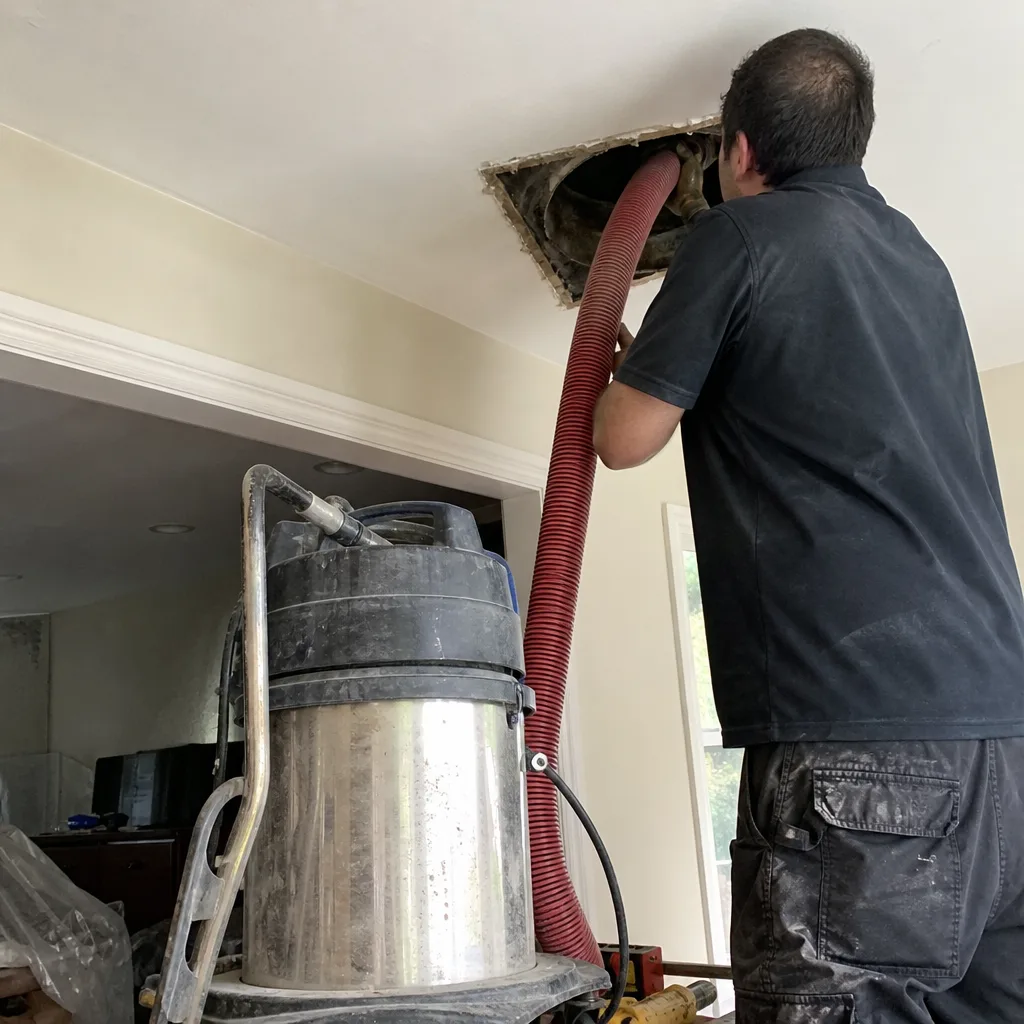 Before
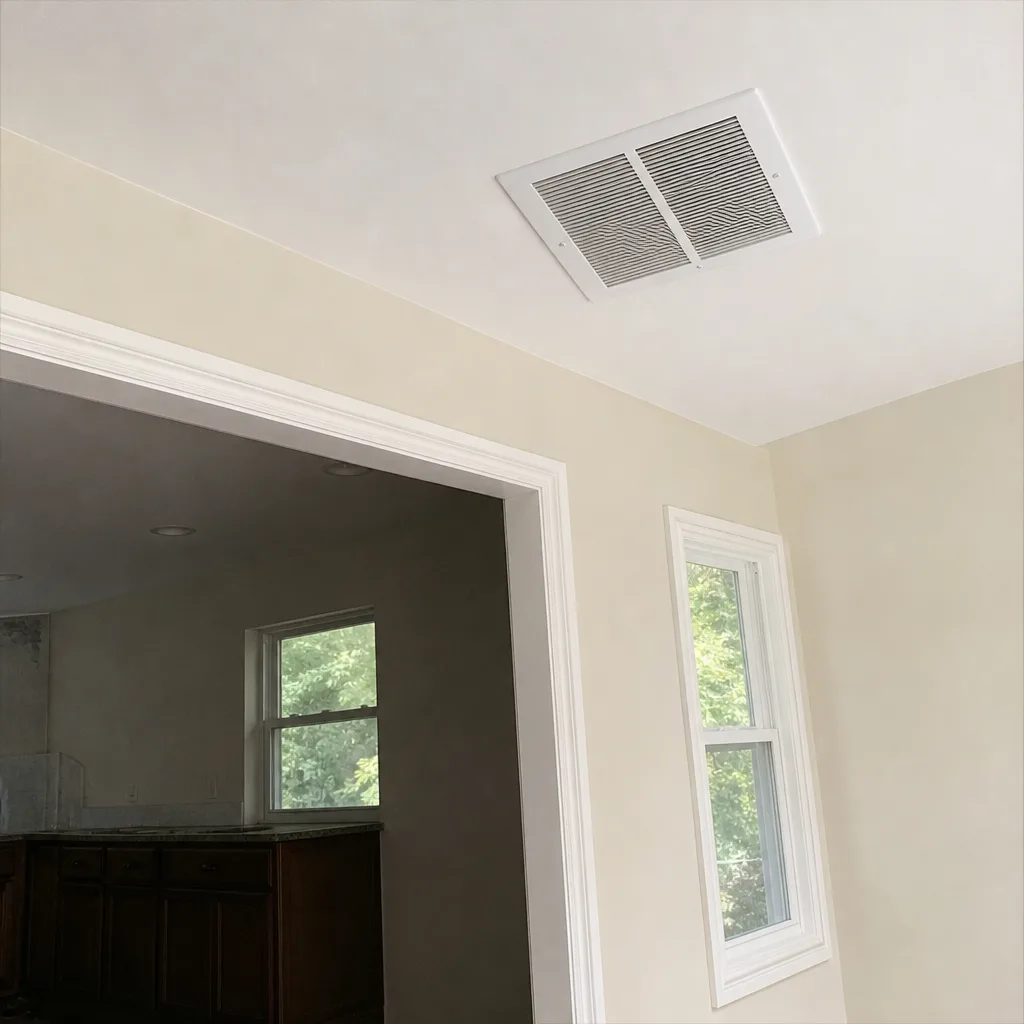 After
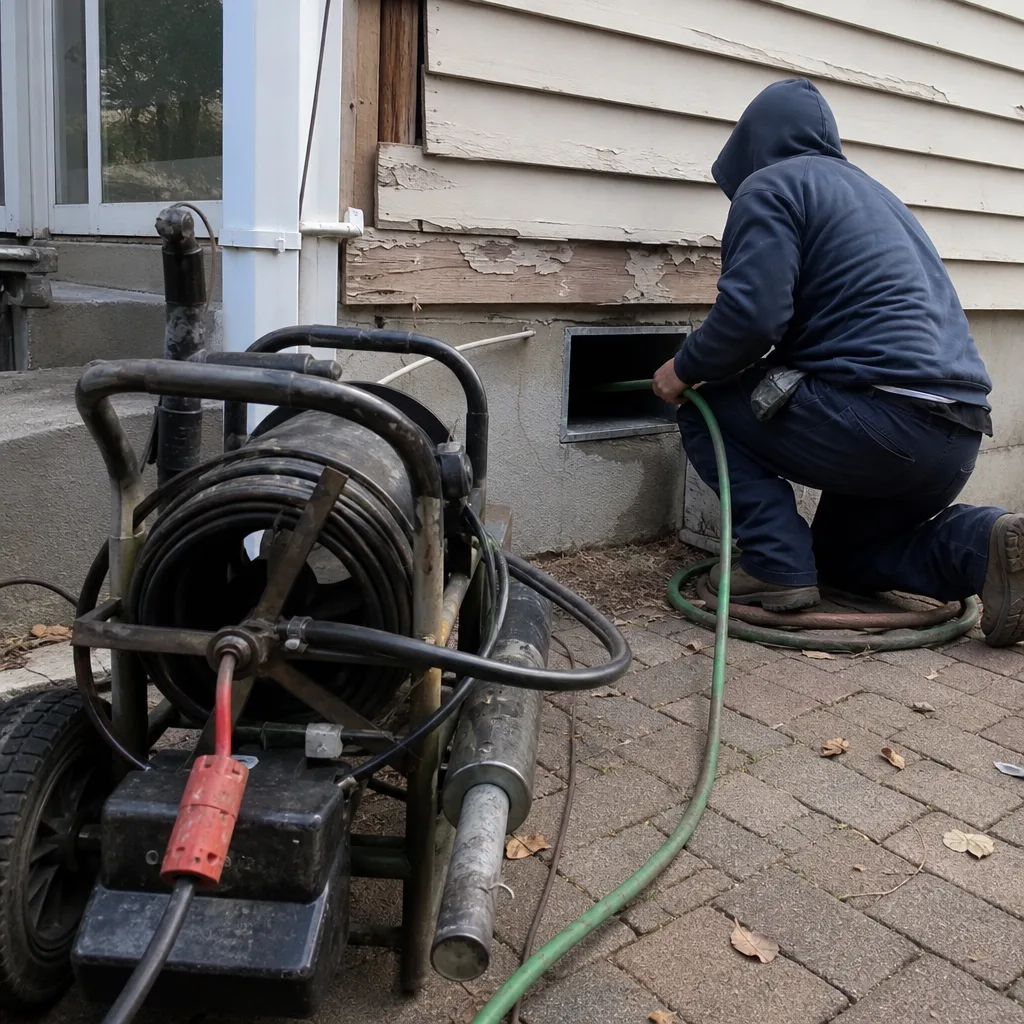 Before
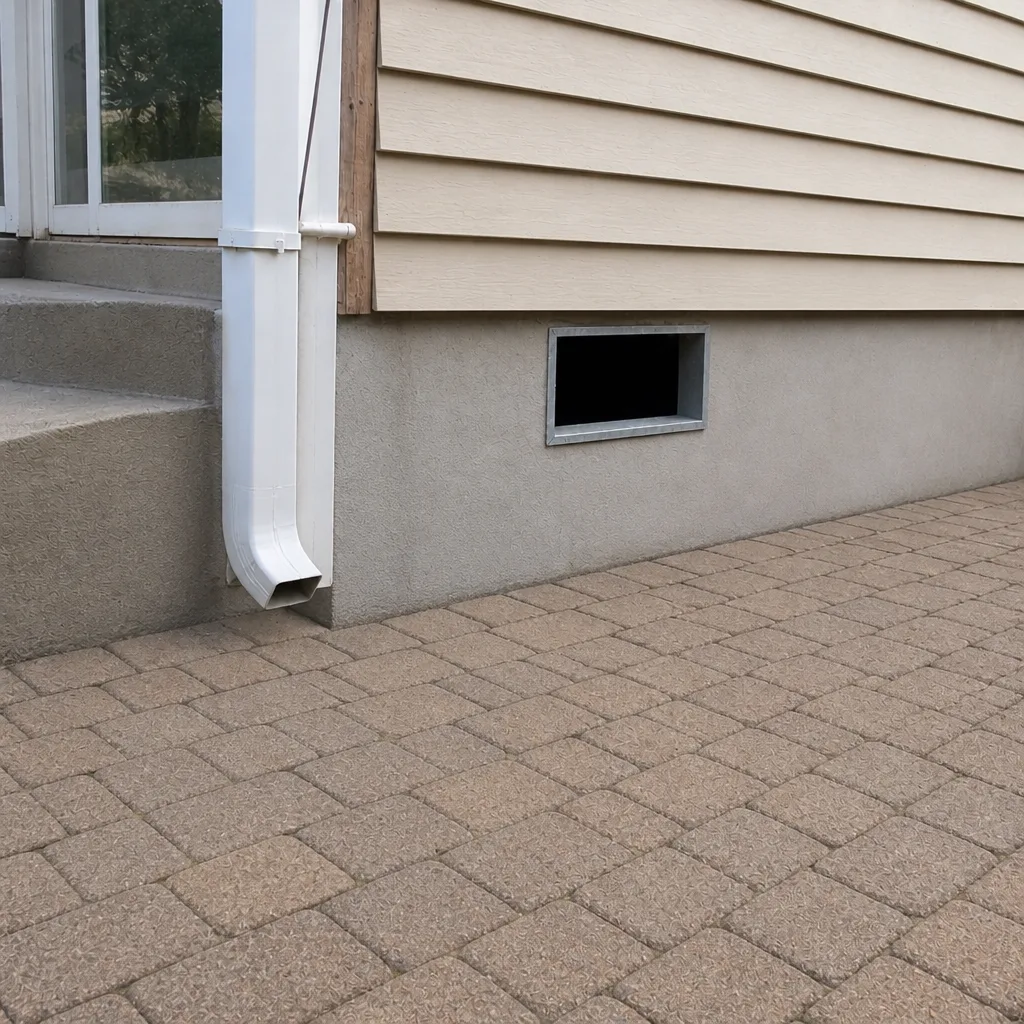 After
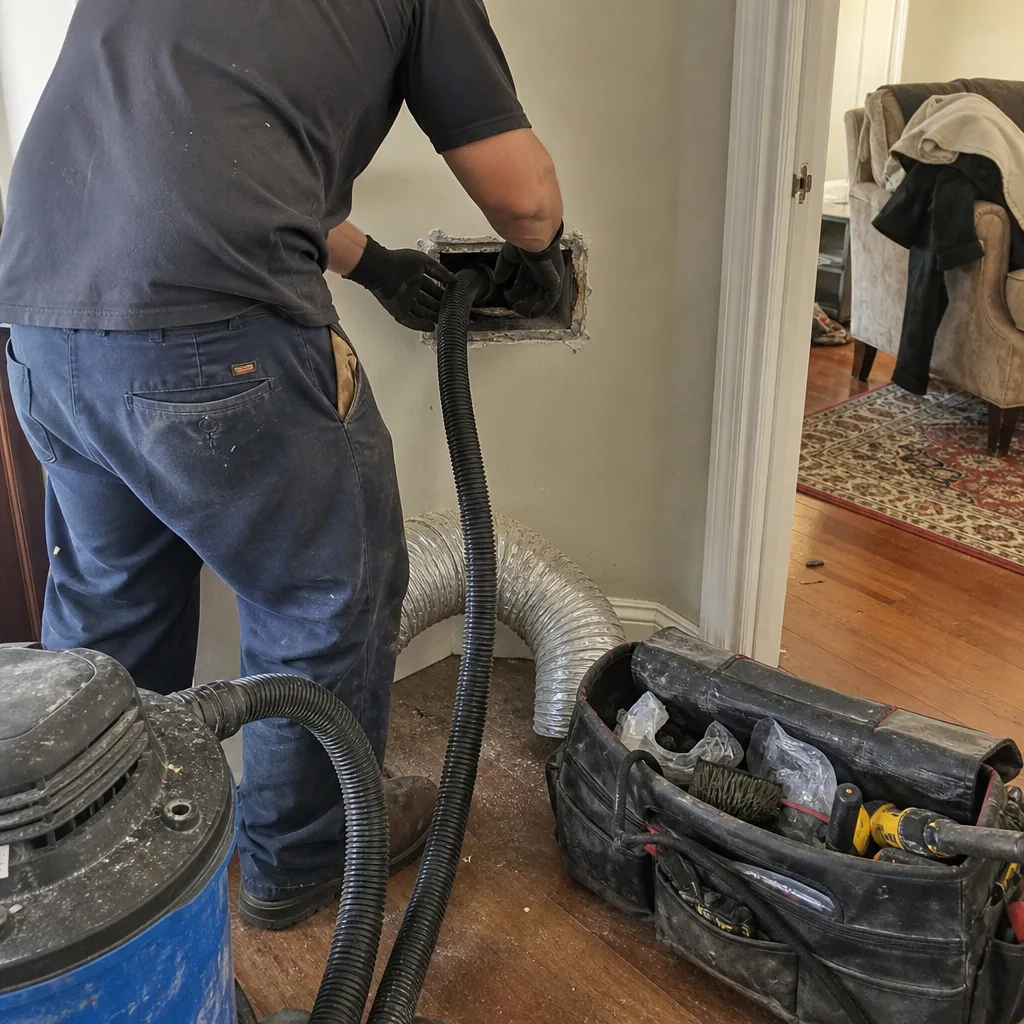 Before
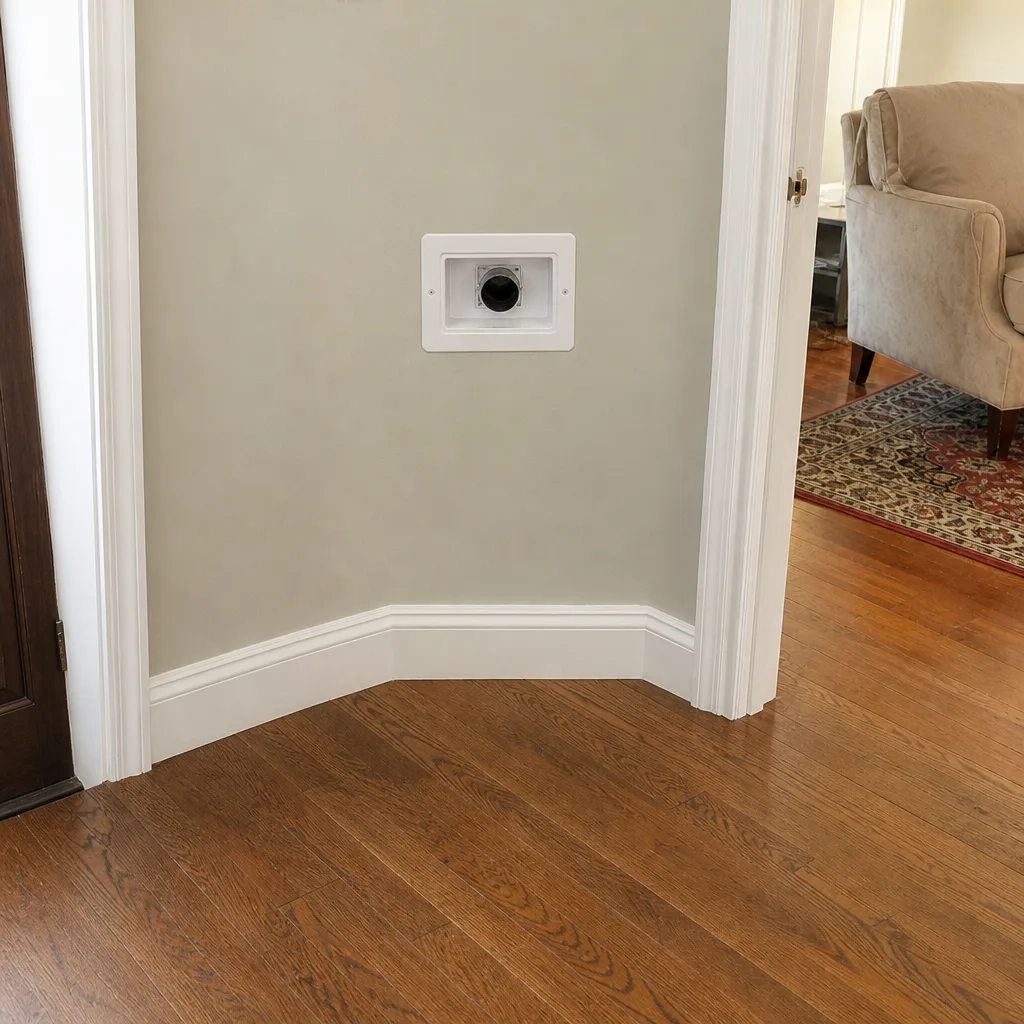 After
When to Call a Professional
Air duct cleaning isn’t an annual box to tick. It’s called for when there’s a reason: a recent move into a Woodside home with unknown maintenance history, visible dust settling on surfaces shortly after cleaning, musty odors from registers when the system starts, allergy symptoms that follow the air handler running, a system that hasn’t been serviced in years, or a renovation that generated fine debris. Dryer vent cleaning is a separate case and worth addressing on its own timeline, since a clogged vent is a fire and efficiency risk, not just an air quality one. If you’ve never had the ducts inspected and you don’t know the last time they were cleaned, a pre-inspection is a reasonable next step regardless of symptoms. Air Duct Cleaning Woodside offers free estimates in Woodside. Call (877) 792-6795. We answer 24/7. Fast dispatch from 7am to 7pm, Sunday through Friday.
Frequently Asked Questions
Whole-system air duct cleaning is priced per system based on the size and configuration of the ductwork, not per vent, and the written estimate sets the final price before any work starts. We quote in that format because per-vent pricing and teaser numbers don’t reflect what a proper cleaning involves: HEPA vacuum, containment, air handler, and documentation. Call (877) 792-6795 for an exact written estimate. Estimates are free.
Cheaper quotes are almost always cheaper because the scope is smaller, not because the price is better. The reductions come from excluding the air handler, using consumer-grade vacuums instead of Rotobrush or Nikro equipment, skipping containment, and pricing add-ons separately once the technician is inside your home. That’s why the same “duct cleaning” can appear at two very different prices without either contractor behaving dishonestly about it. The right comparison is normalized scope, not headline price. Call (877) 792-6795 and we’ll walk through what a full scope covers.
The only reliable verification is documentation of your own ducts: before-and-after photos, a written summary, and a post-cleaning inspection. A contractor who uses professional equipment and follows a defined process will produce that documentation as a matter of course. If the answer to “will I get photos” is vague, ask for it in writing on the scope. Call (877) 792-6795 for details on how we document the work.
For most Woodside homes, duct cleaning doesn’t need to happen on a fixed schedule; it’s driven by conditions rather than the calendar. A move into a new home, recent renovation, musty odors, visible dust return, or a system that hasn’t been serviced in years are the usual triggers. Homes with pets, allergies, or a smoker in the household may benefit from a more frequent check. If you’re unsure, a pre-inspection is the right starting point. Call (877) 792-6795 for a free estimate.
It should, and insisting on that is one of the most important questions in this guide. Cleaning the branch ducts while leaving the air handler and blower untouched leaves the largest contamination source in the system, and a quote that excludes them isn’t the same job as one that includes them. The written scope should state clearly whether the air handler is part of the flat price or a separate line item. Call (877) 792-6795 to confirm what’s included before you book.
No single credential is enough on its own. NADCA membership is a useful signal, and it’s worth verifying on the association’s own directory, but it doesn’t substitute for confirming equipment class, containment method, written scope, and documentation practice. The best approach is to treat membership as one item on the checklist and require the others as well. Call (877) 792-6795 if you’d like to review our scope and equipment details before you schedule.
The Bottom Line
Hiring an air duct cleaning contractor in Woodside isn’t about finding the lowest number, and it isn’t about scoring the most credentials. It’s about matching the scope of the job to the price being quoted and verifying the equipment and process that will deliver it. Ask the five questions before you schedule. Confirm the air handler, containment, and documentation are in writing. Treat a moat of urgency and mold findings with a camera as a sales pattern, not a diagnosis. Normalize scope across quotes before you compare price. A professional-grade contractor will answer everything with specifics, put it in writing, and stand behind a flat price per system. Our technicians have up to 9 years of experience, and we work from that standard because it’s the only one you can verify. Call (877) 792-6795 for a free estimate. We answer 24/7. Fast dispatch from 7am to 7pm, Sunday through Friday.
Written by the team at Air Duct Cleaning Woodside.